Appliances · Buying Guide
Best Dehydrator for Mushrooms: Precision Drying for Earthy Fungi
Dehydrating mushrooms at home preserves their rich, earthy flavor and extends their pantry shelf life effortlessly without requiring chemical preservatives or artificial additives. Whether you harvest wild varieties or buy fresh mushrooms in bulk from the market, removing moisture properly concentrates their unique taste for daily cooking, homemade broths, and backpacking meals.
Finding the right machine depends heavily on your typical batch size, available kitchen counter space, and preferred temperature control settings. Modern countertop units offer distinct tray materials, efficient airflow pathways, and heating capacities tailored specifically for delicate fungi and thick-cut produce alike. Careful evaluation of these functional features helps ensure successful long-term food preservation.
As an Amazon Associate, StacyLaughs earns from qualifying purchases.
Buying guide
Tray Material Options
Selecting the right tray material significantly impacts long-term durability, cleaning ease, and food safety during mushroom dehydration tasks. Premium stainless steel trays resist corrosion, withstand high heat, and easily handle heavy loads of sliced fungi without bending, warping, or absorbing strong earthy odors. They provide a sturdy, hygienic surface designed for frequent use in busy home kitchens.
Transparent plastic trays offer a lightweight alternative that lets you monitor drying progress visually without opening the housing and losing accumulated heat. Quality BPA-free plastic construction ensures safe food contact, though these removable trays may scratch more easily than metal over years of routine manual scrubbing and top-rack dishwashing cycles.
Airflow and Fan Placement
Airflow design dictates how evenly your mushrooms dry across different levels of the machine. Rear-mounted fans blow horizontal air across all trays simultaneously, ensuring consistent moisture removal without requiring you to manually rotate the racks. This advanced airflow design promotes uniform texture and rich flavor concentration across every single mushroom slice placed inside.
Base-mounted heating elements and fans circulate warm air vertically from the bottom upward through stacked drying trays. While generally efficient, this traditional arrangement can sometimes create noticeable temperature variances between lower and upper tiers, occasionally necessitating manual tray rotation during extended drying sessions to achieve completely even results throughout the entire batch.
Temperature Range and Control
Accurate temperature control is vital because different mushroom species and other food items require specific heat levels to dry correctly without scorching or losing natural flavor characteristics. Lower settings starting around 95 degrees Fahrenheit preserve delicate wild fungi, while higher thresholds approaching 190 degrees Fahrenheit handle intensive drying tasks and thick produce slices efficiently.
Digital controls featuring precise incremental adjustments allow you to dial in exact heat requirements for specialized preservation recipes. Simple rotary dials offer straightforward operation for casual users, though digital panels provide superior repeatability when duplicating successful home-dried snack batches over time in your kitchen environment without unnecessary guesswork.
Capacity and Footprint Size
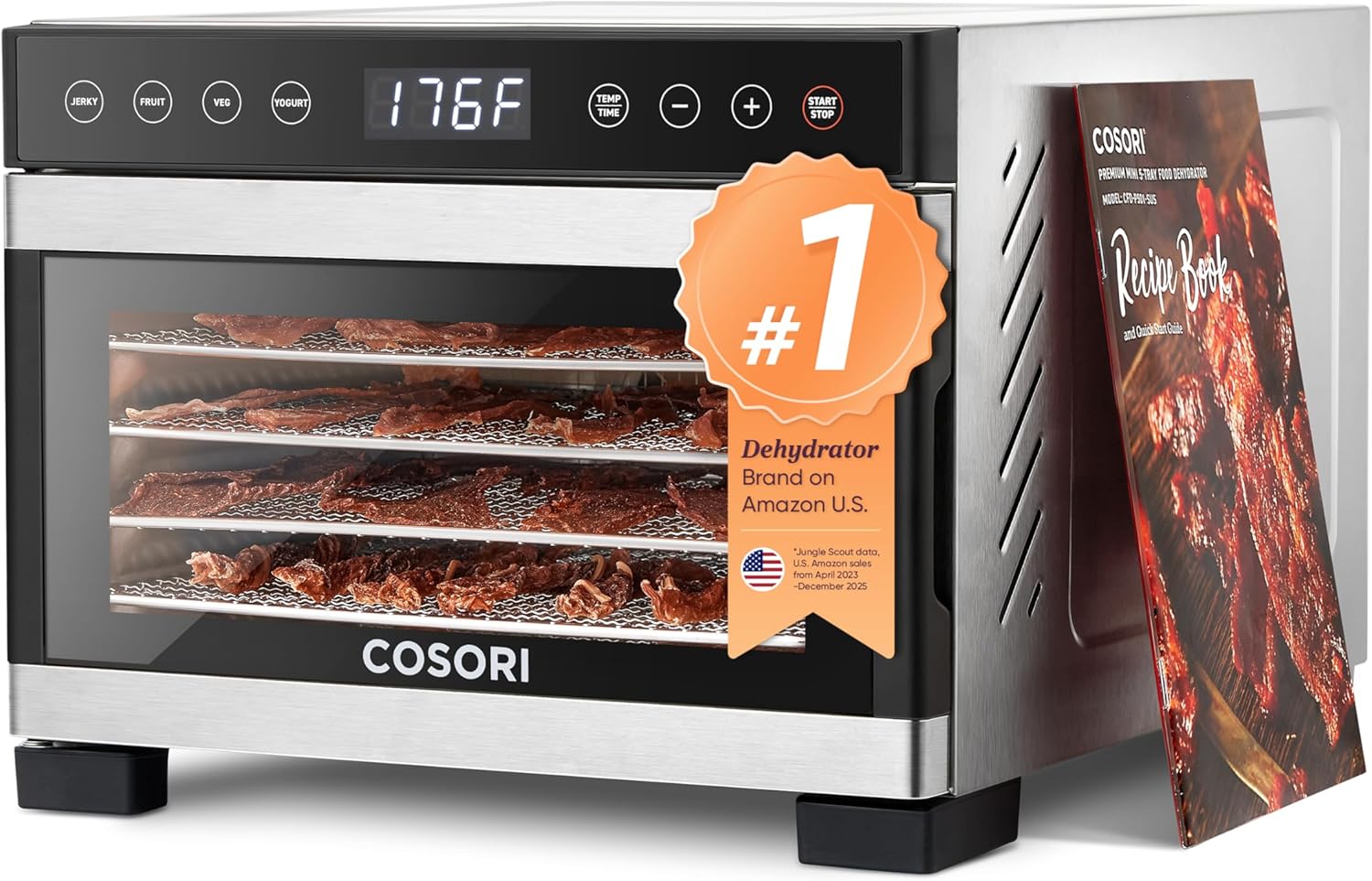
Balancing total tray capacity against available kitchen counter space ensures your food dehydrator fits seamlessly into your daily cooking routine and lifestyle. Compact five-tray units easily accommodate modest batches of sliced mushrooms without crowding standard countertops or smaller apartment kitchens, making them exceptionally practical for regular storage inside standard kitchen cupboards.
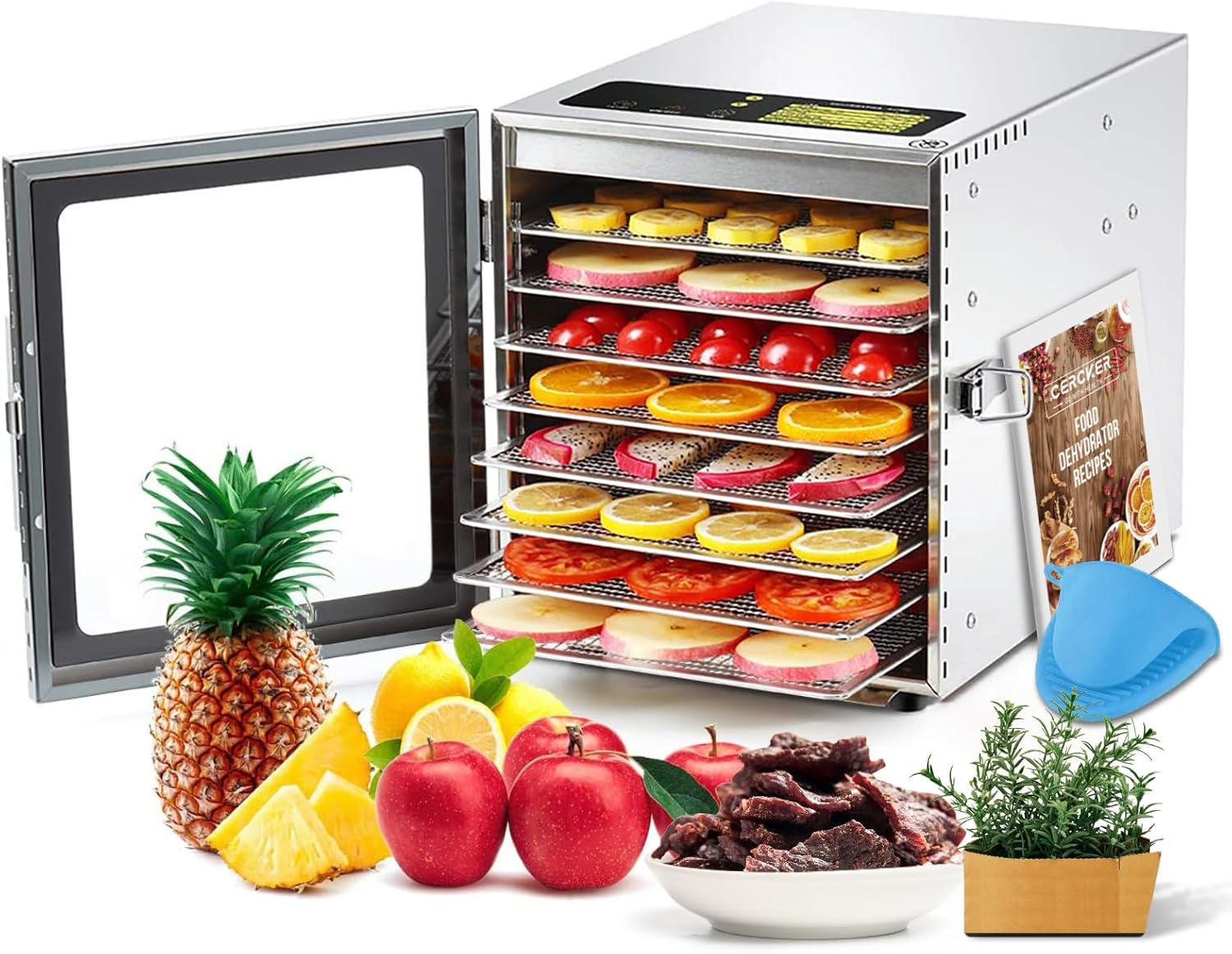
Larger eight-tray machines maximize output for big foraging harvests and bulk food preservation projects, but they demand significantly more permanent counter space and dedicated cabinet storage room. Carefully consider your typical harvest size and available kitchen square footage before ultimately selecting a physical appliance footprint for long-term ownership and household operation.
Cleaning and Maintenance Ease
Cleanup following a dehydrating session should be straightforward to keep routine maintenance from becoming an exhausting kitchen chore. Removable trays and top-rack dishwasher-safe components greatly simplify washing away residual mushroom debris, moisture, and organic matter. Smooth interior chamber walls also allow quick, hassle-free wipe-downs between uses, saving valuable time in busy home kitchens everywhere.
Premium stainless steel surfaces resist staining and handle occasional scrubbing much better than softer plastics, ensuring the appliance maintains a clean, professional appearance over years of handling sticky fruits, fragrant herbs, or earthy fungi. Selecting easily washable parts significantly reduces long-term maintenance burdens for home cooks, preservation hobbyists, and enthusiasts alike.
Timer and Safety Features
Built-in digital timers and automated auto-shutoff functions bring tremendous convenience and absolute peace of mind to extended food drying processes. Setting a precise timer lets you run the dehydrator overnight or while away from home without worrying about accidentally over-processing your mushrooms, vegetables, or delicate herbs during long drying cycles.
Advanced safety enhancements such as dual-layer insulation keep exterior appliance housings cool to the touch during high-temperature operation, protecting family members in busy household environments. Internal overheat protection mechanisms, reliable auto shut-off, and convenient spill-resistant control panels add an extra layer of operational security for continuous multi-hour use across various culinary ingredients.
Frequently asked questions
What is the best temperature for dehydrating mushrooms?
The optimal temperature for dehydrating mushrooms typically ranges between 125 and 135 degrees Fahrenheit. This moderate heat range effectively removes moisture without cooking the mushroom tissue, preserving their rich flavor, texture, and nutritional value. If your dehydrator features adjustable controls, setting it within this window ensures even drying. Some models allow higher temperatures up to 158 or 190 degrees Fahrenheit for jerky, but lower settings prevent mushrooms from becoming tough or burnt during extended multi-hour drying sessions.
Do I need to rotate trays during the mushroom drying process?
Whether you need to rotate trays depends entirely on the internal airflow design of your chosen dehydrator. Units equipped with rear-mounted fans blow horizontal air across all trays simultaneously, ensuring even moisture removal without requiring manual rack rotation. Conversely, models utilizing base-mounted fans often circulate warm air vertically, which can create temperature variances between tiers. For base-fan machines, manually swapping or rotating your trays halfway through the drying cycle helps ensure every mushroom slice dries uniformly.
How long does it take to dehydrate mushrooms completely?
Dehydrating mushrooms usually takes anywhere from four to twelve hours, depending heavily on slice thickness, water content, humidity levels, and the wattage of your dehydrator. Thinly sliced mushrooms in powerful machines dry rapidly, while thicker cuts or moisture-dense varieties require extended time. You will know they are finished when the pieces feel completely dry, crisp, or leathery with zero moisture remaining inside. Always allow them to cool completely before storing them in airtight containers.
Can I dehydrate different types of mushrooms together?
Yes, you can dehydrate different varieties of mushrooms together in the same batch as long as they are sliced to a uniform thickness. Cutting them to matching sizes ensures they finish drying at roughly the same rate. However, keep in mind that strongly aromatic mushrooms like shiitakes might impart subtle aromas to milder varieties if dried in close proximity. If you prefer keeping flavors distinct, run separate batches or arrange different types on separate trays within the appliance.
Are stainless steel trays better than plastic trays for mushrooms?
Stainless steel trays offer superior durability, corrosion resistance, and high-heat tolerance, making them an excellent choice for frequent use and heavy-duty food preservation. They do not absorb earthy mushroom odors or stains over time. On the other hand, BPA-free plastic trays are often transparent, allowing you to monitor drying progress visually without opening the lid and losing heat. Your preference will depend on whether you prioritize heavy-duty metal longevity or visual progress tracking through clear walls.