Appliances · Buying Guide
Best Dehydrator Machine for Home Snacks and Preserving
Home food dehydration offers a straightforward way to preserve seasonal garden harvests, prepare nutrient-dense snacks, and create custom pet treats right in your kitchen. Selecting the right equipment depends heavily on your available counter space, batch requirements, and the specific types of foods you plan to process regularly.
Modern countertop units utilize digital controls, adjustable temperature ranges, and consistent internal airflow systems to eliminate traditional guesswork. Whether you need a compact footprint for occasional fruit leather or a high-capacity multi-tray layout for bulk jerky production, understanding core design differences helps match a machine directly to your daily routine.
As an Amazon Associate, StacyLaughs earns from qualifying purchases.
Buying guide
Tray Capacity and Kitchen Footprint
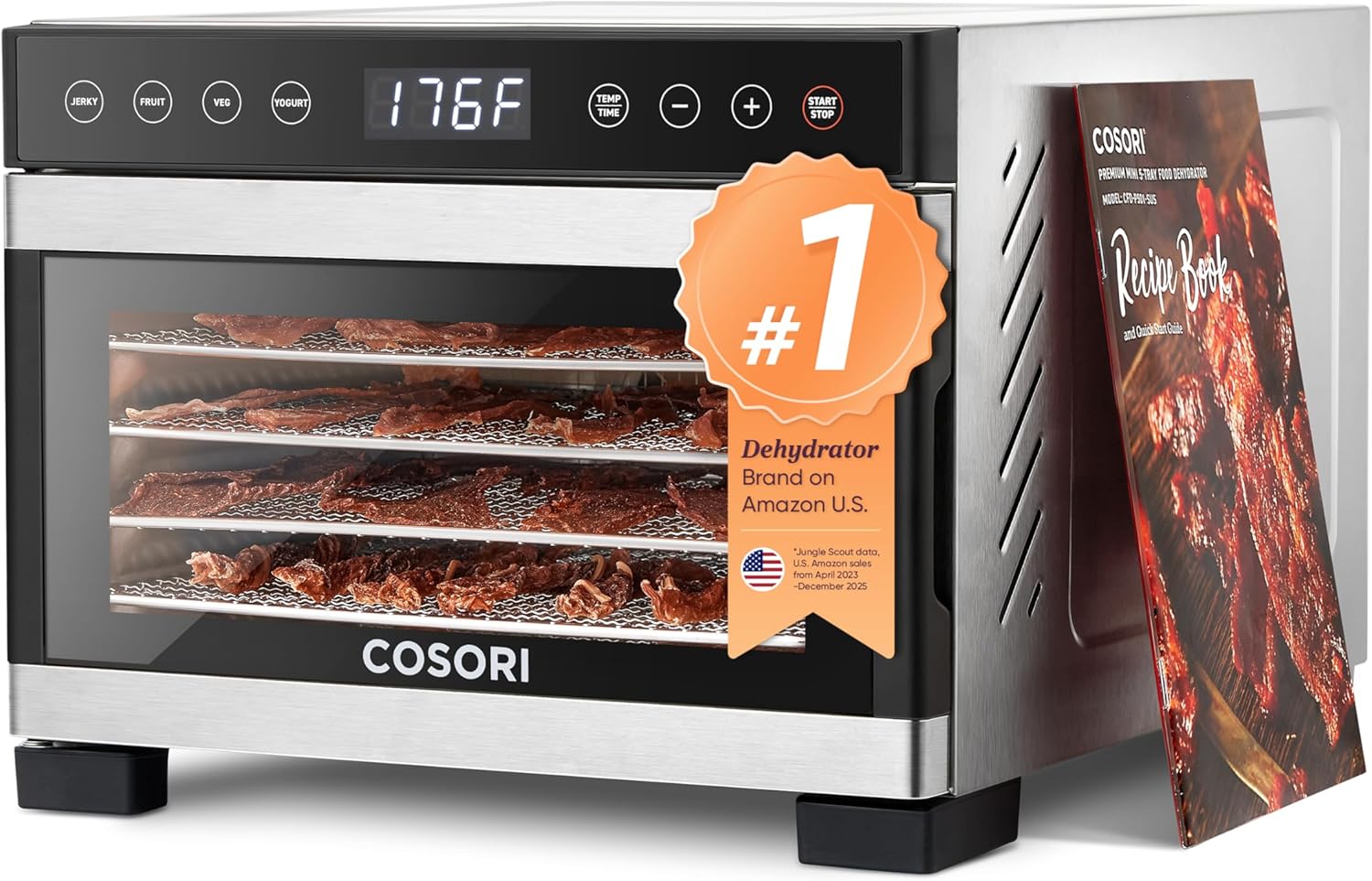
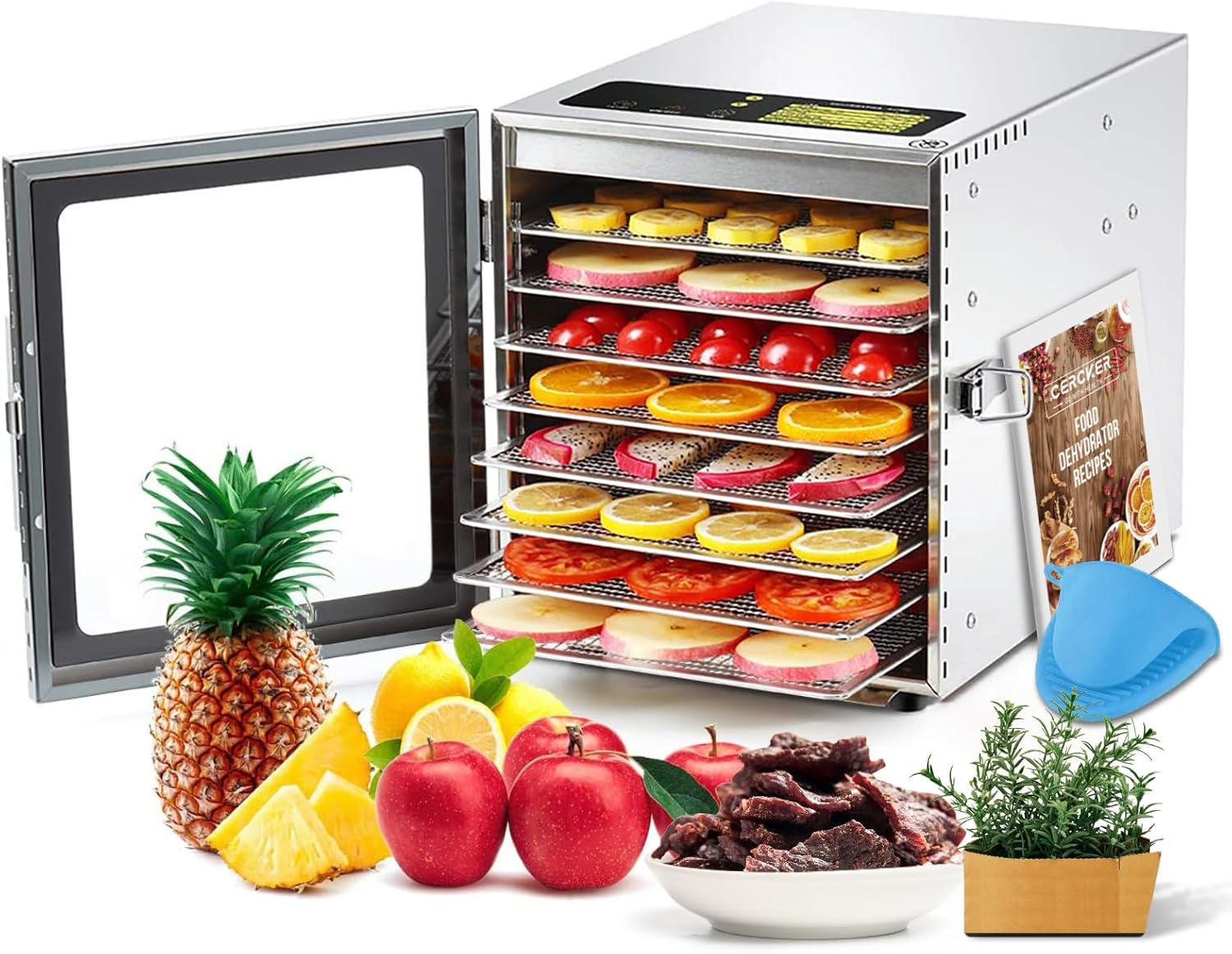
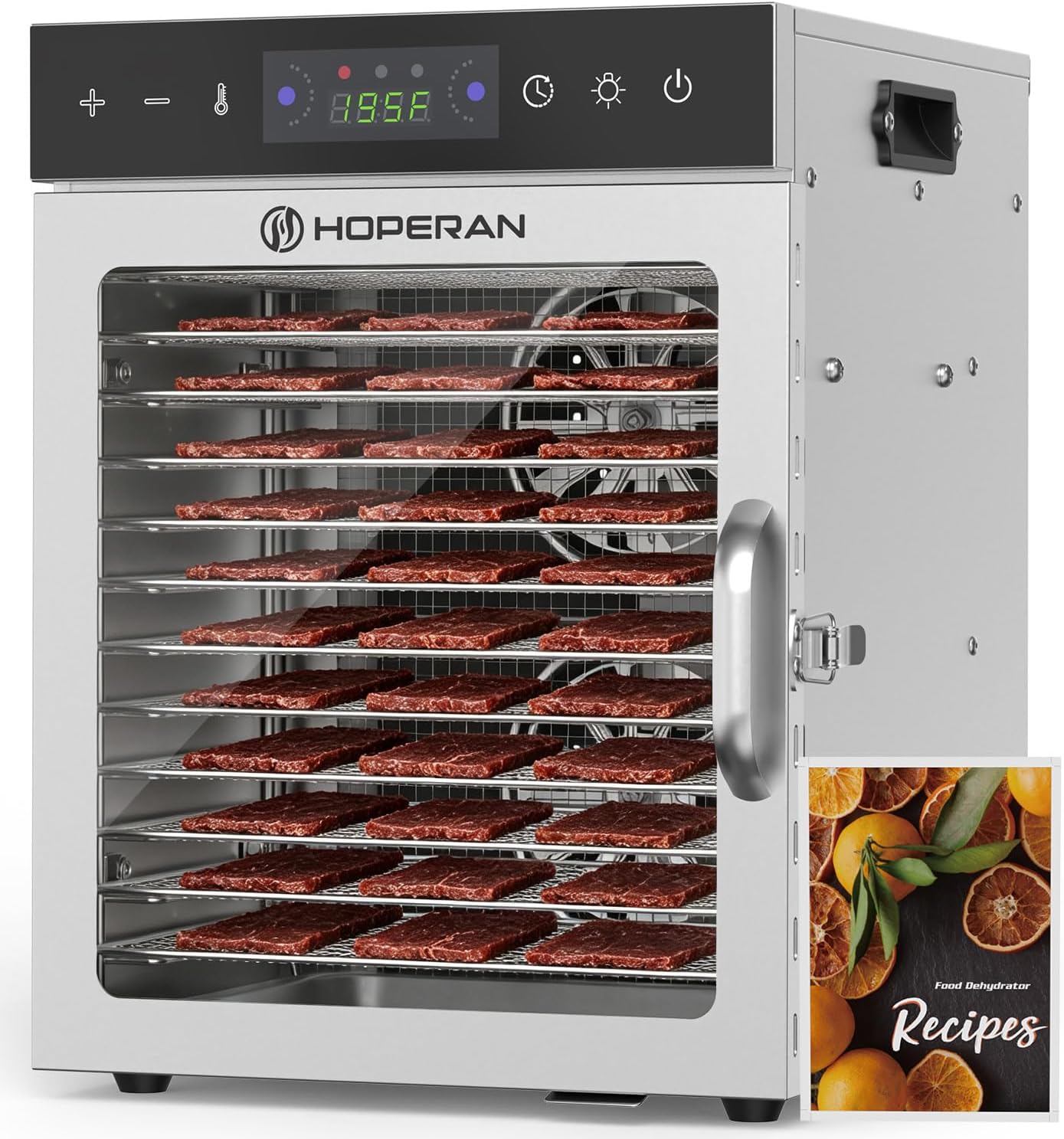
When selecting a home dehydrator, carefully evaluating your available kitchen surface area and typical batch size is essential for long-term satisfaction. Units range from compact five-tray models suited for apartment countertops to massive twelve-tier systems designed for bulk preservation tasks. Measuring your counter space and vertical cabinet clearance beforehand prevents frustrating placement conflicts in busy kitchens.
Larger tray counts allow you to process extensive garden yields and family portions simultaneously, significantly reducing total active prep time. However, these larger appliances demand dedicated storage locations due to their substantial physical dimensions and weight. Balancing your storage capacity with realistic snack consumption habits ensures you choose a machine that integrates smoothly into your cooking routine without causing countertop clutter.
Airflow Technology and Fan Placement
Airflow design dictates how uniformly your food dries across different levels inside the sealed drying chamber. Modern dehydrators frequently feature rear-mounted fans that push consistent horizontal air currents across every individual shelf simultaneously. This advanced configuration eliminates the traditional chore of manually rotating trays halfway through long drying cycles for user convenience.
Choosing a model with optimized air circulation prevents moisture pockets from forming on dense food items like thick meat strips. Rear fan systems ensure that heat distributes evenly from front to back, promoting consistent texture in jerky, herbs, and fruit slices. Evaluating how a machine moves air helps guarantee predictable, high-quality results across multiple stacked trays without constant supervision.
Temperature Range and Precision Controls
Different food categories require specific thermal environments to dry correctly without compromising nutritional quality, safety, or flavor profiles. Lower temperature settings around eighty to ninety degrees Fahrenheit gently preserve delicate herbs, flowers, and yogurt cultures. Higher ranges reaching one hundred ninety degrees or more are critical for preparing safe meat jerky according to recommended guidelines.
Digital control panels allow you to set exact temperatures down to single-degree increments for reliable replication of favorite household recipes. Programmable timers with automatic shut-off features free you from monitoring clock intervals during lengthy overnight drying runs. Prioritizing precise thermal controls gives you the versatility needed to successfully experiment with diverse ingredients, from chewy fruit leather to crisp vegetable chips.
Material Quality and Tray Construction
The interior materials of your dehydrator heavily influence long-term durability, cleaning ease, and food safety over years of repeated use. Food-grade stainless steel trays resist corrosion, staining, and wear from acidic fruits, sticky sugars, and salty marinades. Unlike basic plastic alternatives, robust stainless steel surfaces withstand high operating temperatures without warping or chemical degradation.
Dishwasher-safe components significantly simplify the post-drying cleanup process after sticky batches of fruit rolls or heavily seasoned marinated meats. Rolled tray edges prevent accidental cuts and enhance structural stability during busy loading and unloading sessions. Investing in robust stainless construction ensures your appliance maintains structural integrity and a clean appearance through frequent heavy usage in family kitchens.
Operating Noise Levels and Motors
Dehydrators frequently run for many consecutive hours, making motor noise an important consideration for open-concept living spaces and evening schedules. Advanced brushless motors operate quietly below forty-eight decibels, allowing uninterrupted overnight food processing without disturbance. This low noise output ensures your household remains peaceful while fruit snacks and jerky dry quietly in the background.
Powerful motors paired with efficient fan blades generate strong internal airflow without excessive mechanical whining or distracting vibration. Checking decibel specifications helps identify units specifically engineered for quiet residential environments. A peaceful motor operation lets you run extended drying schedules anytime of day or night without disturbing family members, sleeping children, or resting house guests.
Included Accessories and Maintenance
Comprehensive accessory packages enhance the versatility of a food dehydrator right out of the packaging box. Included mesh screens prevent tiny herbs, seeds, and small berries from falling through standard tray grates during the drying cycle. Dedicated solid fruit roll sheets allow you to create homemade fruit leathers smoothly with minimal extra purchases required.
Included recipe books provide helpful starting points for seasoning proportions, slicing thicknesses, and precise drying times across various food types. Maintenance is further streamlined when dedicated drip trays catch stray crumbs and rendered liquids at the bottom of the chamber. Reviewing included extras helps you maximize your appliance utility and dive into food preservation from day one.
Frequently asked questions
How do I prevent food from sticking to dehydrator trays?
To prevent food from sticking, you can lightly oil stainless steel trays before placing moist items like marinated meat strips or sticky fruits on them. Many dehydrators also include specialized mesh screens or solid fruit roll sheets designed specifically for delicate or sticky ingredients. Placing items in a single layer without overlapping allows proper air circulation and reduces surface adhesion. Soaking trays in warm soapy water after use makes removing any dried residue simple and protects the stainless steel surface.
Do I need to rotate trays during the drying process?
Tray rotation depends entirely on the internal airflow design of your specific dehydrator model. Many modern countertop units incorporate rear-mounted fans and advanced convection technology that distribute hot air evenly across every shelf simultaneously. With these balanced airflow systems, manual tray rotation is completely unnecessary, saving you time and effort during long drying cycles. However, units utilizing traditional vertical airflow designs with bottom-mounted heating elements may still require occasional manual shelf rotation to achieve uniform results.
What temperature should I use for making beef jerky safely?
Making beef jerky safely at home requires reaching adequate thermal levels to eliminate potential bacteria present in raw meat. Food safety authorities typically recommend maintaining a temperature of one hundred sixty-five degrees Fahrenheit or higher during the jerky preparation process. Many modern dehydrators feature adjustable temperature ranges extending up to one hundred seventy-six or one hundred ninety degrees Fahrenheit specifically to accommodate safe meat drying requirements. Always slice meat uniformly to ensure heat penetrates thoroughly across every piece.
Can I run a food dehydrator overnight while sleeping?
Running a food dehydrator overnight is a common practice because many drying cycles take anywhere from twelve to forty-eight hours depending on the food type. To ensure safety and peace of mind during extended unattended operation, look for appliances equipped with built-in overheat protection and automatic shut-off timers. Additionally, selecting models featuring advanced brushless motors keeps operational noise levels below forty-eight decibels, ensuring the quiet motor will not disturb your sleep or household routine.
How do I clean stainless steel dehydrator trays after use?
Cleaning stainless steel dehydrator trays is straightforward because most food-grade metal trays are completely dishwasher safe. For stubborn residue from sticky fruits or marinades, letting the trays soak in warm soapy water for a short period helps loosen dried particles before washing. Avoid using abrasive scouring pads that could scratch the polished metal finish. Wiping down the interior chamber walls with a damp cloth completes the cleaning routine, keeping your appliance hygienic and ready.