Appliances · Buying Guide
Best Dehydrator Machine For Jerky: Top Stainless Steel And Capacity Picks
Making delicious homemade meat snacks at home requires a dependable dehydrator machine for jerky that can maintain steady, reliable heat over many hours of continuous operation. Whether you prefer thick-cut beef strips, spicy turkey bites, or dried fruit snacks, choosing the right appliance depends directly on your batch size, available counter space, and desired temperature control capabilities for food safety.
Modern countertop dehydrator units feature precise digital controls, efficient rear-mounted fans, and durable stainless steel or BPA-free trays designed for easy cleanup after heavy use. Understanding these core specifications and physical dimensions helps you select a model that suits your snack-making routine seamlessly without taking over your kitchen workspace.
As an Amazon Associate, StacyLaughs earns from qualifying purchases.
Buying guide
Temperature Range and Jerky Safety
When selecting a dehydrator machine for jerky, temperature control stands out as a critical factor for food safety and texture. Traditional meat snack recipes require steady, elevated heat to eliminate moisture and potential bacteria effectively during long drying cycles. Models that reach higher maximum temperatures ensure that thick cuts of beef or game reach safe internal thresholds during the dehydration process without requiring extra steps.
Look for units offering precise digital thermostats that allow temperature adjustments down to individual degrees. This capability ensures your meat strips dry evenly across every rack without cooking prematurely on the outside or retaining interior moisture that could spoil your homemade batch over storage time.
Tray Material and Construction Quality
The material composition of your drying trays directly impacts appliance longevity, cleaning ease, and food contact safety during frequent snack preparation tasks. Stainless steel trays offer exceptional durability, resist harsh corrosion from salty marinades, and go straight into the dishwasher for hassle-free cleanup after messy meat drying sessions involving thick beef strips.
Alternatively, BPA-free plastic or polycarbonate trays provide lightweight handling and flexible stackable configuration options, though they may require more diligent cleaning routines to remove stubborn stuck-on spices. Evaluating how often you plan to process heavily seasoned meats helps determine whether investing in heavy-duty stainless steel surfaces is truly worth your while for long-term ownership.
Capacity and Countertop Dimensions
Dehydrator machines vary widely in physical size, ranging from compact five-tray countertop units to massive commercial appliances featuring fourteen separate tiers. Measuring your available kitchen counter space and overhead cabinet clearance before purchasing prevents frustrating storage headaches and awkward placement issues later on during routine use.
If you only make occasional weekend snacks for a couple of people, a smaller footprint saves valuable workspace without sacrificing essential functionality or temperature accuracy. Larger households, gardeners, or avid home cooks processing bulk meat harvests will benefit immensely from tall multi-tier models, provided they have a permanent, stable spot ready for continuous heavy operation.
Airflow Systems and Tray Rotation
Advanced air circulation technology dictates whether you need to manually rotate trays during a long drying cycle. Modern units equipped with rear-mounted fans and forced hot air convection distribute warm heat evenly across every level automatically, saving you from constantly opening the door and rearranging heavy metal shelves.
Traditional stackable vertical models often require manual tier rotation to ensure uniform snack drying because heat rises upward from a bottom-mounted heating element. Choosing a rear fan setup streamlines your monitoring process significantly, allowing you to set the digital timer and let the appliance handle the dehydration evenly without any further user intervention.
Noise Levels and Overnight Operation
Because dehydrating seasoned meat strips takes many hours, running the machine overnight is common practice for many busy households. Checking the decibel rating and motor specifications ensures the appliance operates quietly enough to avoid disturbing your living space or bedrooms while family members sleep through the quiet night hours peacefully.
Advanced brushless motors and insulated housing reduce operational noise significantly, keeping sound levels well below fifty decibels during peak drying phases. Prioritizing a quiet machine lets you run long overnight cycles without hearing any distracting mechanical hum from your kitchen counter or waking light sleepers resting nearby.
Digital Controls and Preset Convenience
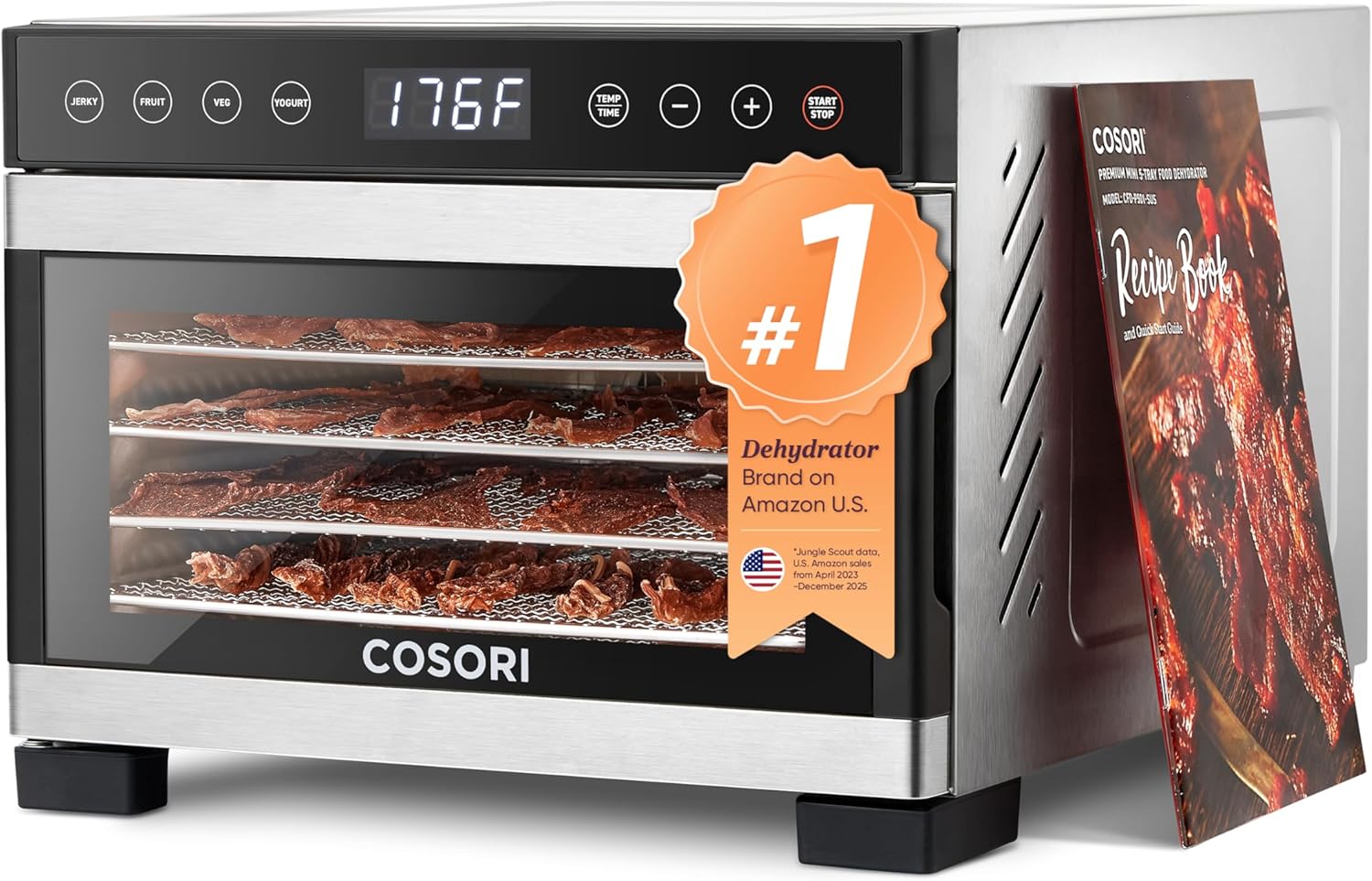
Modern countertop dehydrators incorporate advanced digital control panels that simplify setting precise drying times and temperatures for various kitchen ingredients. Many units include helpful built-in presets for specific foods like beef jerky, fruit slices, and vegetables, removing guesswork for beginners who are just starting out with home snack preparation projects safely.
A clear LED display and intuitive buttons make adjusting digital timers up to forty-eight hours straightforward and accessible for any home user. These smart control features ensure highly consistent, repeatable results across every single batch without requiring your constant personal supervision during long operating hours in the active kitchen environment.
Frequently asked questions
What temperature is best for making beef jerky in a dehydrator machine?
USDA guidelines recommend drying beef jerky at 165 degrees Fahrenheit to ensure safety by eliminating potential bacteria before consumption. Many modern dehydrator machines feature adjustable thermostats that reach or exceed this temperature threshold, allowing you to set precise heat levels down to individual degrees. When preparing meat snacks, selecting a model with a maximum temperature of at least 165 degrees provides peace of mind and supports proper dehydration throughout the entire thick-cut batch without manual temperature guesswork.
Do I need to rotate trays during the jerky drying process?
Tray rotation depends entirely on the internal airflow design of your dehydrator machine. Units equipped with rear-mounted drying fans and forced hot air convection circulate heat evenly across every shelf automatically, eliminating the need to rotate trays manually. However, traditional stackable vertical models powered by a bottom heating element often require you to rearrange or rotate tiers periodically to achieve uniform drying. Checking the fan configuration helps you choose a model that minimizes hands-on supervision during long cycles.
How long does it typically take to dehydrate meat into jerky?
The drying time for homemade jerky generally ranges from four to twelve hours, depending on slice thickness, meat fat content, moisture levels, and the operating temperature of your dehydrator machine. Thicker cuts of beef or game require extended drying cycles to eliminate moisture thoroughly, while thinner slices process much faster. Utilizing models with digital timers up to 48 hours allows you to program the exact duration needed for your specific recipe without constantly monitoring the progress.
Are stainless steel trays better than plastic trays for jerky?
Stainless steel trays are widely preferred for making jerky because they resist corrosion from salty or acidic marinades, offer exceptional durability, and can go straight into the dishwasher for effortless cleanup. While BPA-free plastic or polycarbonate trays provide lightweight handling and stackable flexibility, stubborn spices and sticky meat residues can sometimes require more diligent scrubbing. Investing in stainless steel surfaces ensures long-term reliability and straightforward maintenance after processing heavy batches of seasoned meat snacks.
Can I run a food dehydrator overnight while sleeping?
Yes, running a dehydrator machine overnight is common practice because jerky preparation often takes many hours to complete. To ensure a peaceful environment, look for advanced models featuring brushless motors and insulated housing that keep operating noise levels below 50 decibels. These quiet machines let you run continuous overnight cycles without disturbing your household sleep, while built-in features like automatic shutoff and overheat protection provide added safety during unattended operation.