Appliances · Buying Guide
Best egg in pressure cooker choices for everyday cooking
Cooking an egg in pressure cooker setups offers a fast, reliable way to prepare breakfast favorites without constant monitoring. Whether you prefer soft-boiling or hard-boiling, modern multi-cookers and specialized electric appliances streamline the process. Choosing the right device depends on your household size, counter space, and preferred cooking methods for daily meals.
This review examines several kitchen appliances designed to simplify egg preparation and broader cooking tasks. From multi-functional stainless steel pressure cookers to dedicated compact egg cookers, each option brings distinct features to your kitchen. Reviewing the specifications and practical suitability helps you select a tool that fits your routine and cooking habits seamlessly.
As an Amazon Associate, StacyLaughs earns from qualifying purchases.
Buying guide
Capacity and Household Size
Choosing the correct capacity is essential when selecting an appliance to prepare an egg in pressure cooker setups or larger family meals. Models with a four-quart capacity suit singles and small families, offering enough space for modest meal portions without taking up excessive counter space. Six-quart options accommodate larger household portions and batch cooking requirements comfortably.
Matching vessel size to your daily cooking volume prevents wasted energy and ensures efficient heat distribution across ingredients. Larger cookers provide flexibility for hosting or meal prepping, whereas compact alternatives fit easily inside small kitchens or restricted storage cabinets. Evaluate your typical serving requirements before committing to a specific appliance capacity.
Power and Heating Performance
Power ratings significantly influence how quickly an appliance preheats and reaches operational pressure during daily meal preparation routines. Units featuring higher wattage outputs, such as twelve-hundred watts, reduce preheating phases and accelerate overall cooking times compared to lower-wattage alternatives. This performance distinction matters when managing tight schedules in busy households.
Evaluating wattage requirements also involves checking kitchen electrical limits to ensure stable operation during heavy use. While high-power models speed up cooking tasks, standard wattage options provide balanced performance for everyday recipes without straining older electrical circuits. Consider your kitchen's power infrastructure alongside your desire for rapid cooking speeds and consistent temperature control.
Inner Pot Materials and Cleanup
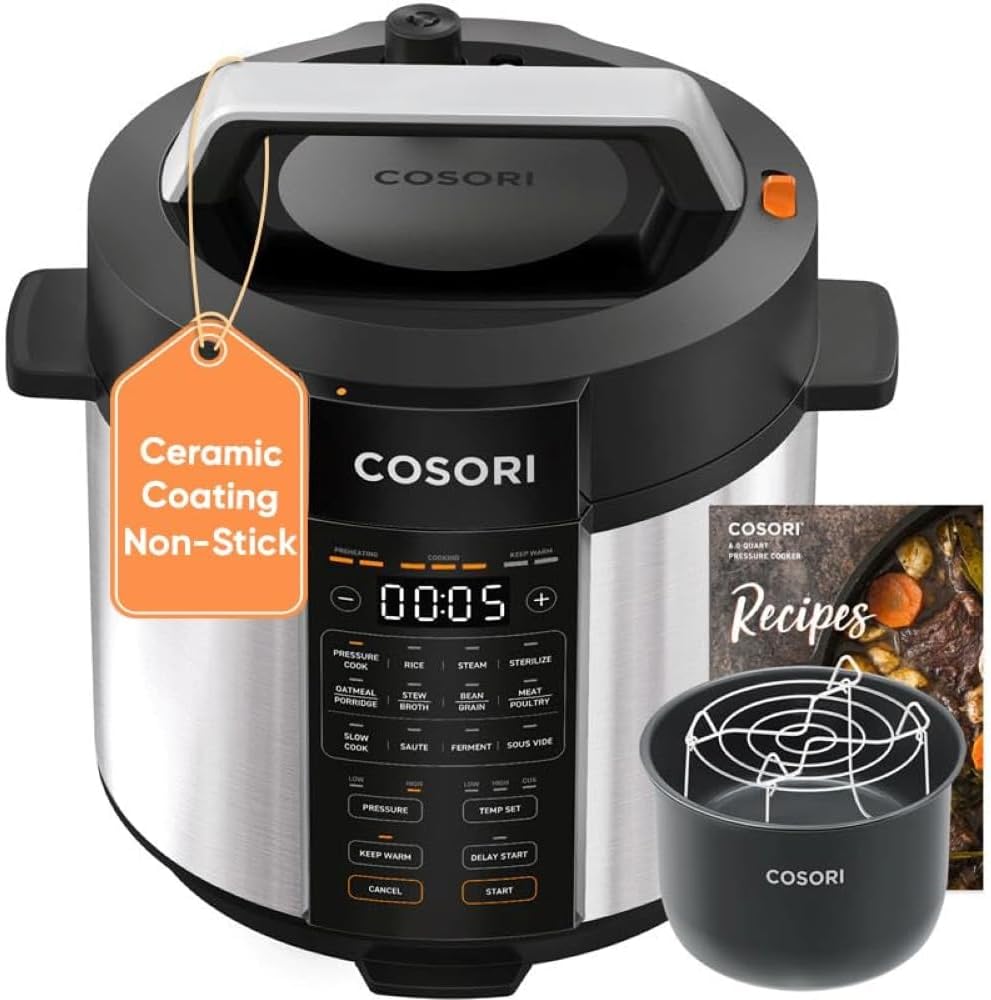
The material composition of the inner cooking pot affects both cooking results and post-meal cleanup routines in busy kitchens. Stainless steel pots provide exceptional durability and withstand aggressive utensil use, making them ideal for searing and browning tasks. Alternatively, ceramic-coated inner vessels offer non-stick properties that simplify food release and reduce scrubbing effort after cooking eggs or sticky dishes.
Dishwasher-safe components further streamline kitchen maintenance by allowing lids, racks, and pots to be cleaned automatically without manual scrubbing. When choosing between stainless steel and ceramic options, consider your preferred cooking techniques and cleaning habits. Selecting dishwasher-safe parts ensures that daily maintenance remains straightforward and hassle-free over years of regular home cooking use.
Safety Mechanisms and Venting
Operating pressure appliances safely requires robust mechanical protections and thoughtfully engineered steam release systems during intensive kitchen tasks. Modern cookers incorporate multiple safety features, including overheat protection and auto-sealing locking lids that prevent accidental opening while pressurized. These built-in safeguards provide essential peace of mind during everyday meal preparation routines.
Advanced venting designs, such as backward-angled steam release valves and diffusing covers, help direct hot vapor away from hands and surrounding kitchen cabinetry. Choosing a model with intuitive steam release switches minimizes steam-related risks and simplifies pressure reduction after cooking cycles finish. Reviewing these safety aspects ensures a secure cooking environment for all household members using the device daily.
Multi-Functionality Versus Specialization
Deciding between a multi-functional pressure cooker and a specialized appliance depends heavily on your specific culinary habits and daily menu variety. Multi-cookers combine pressure cooking, slow cooking, steaming, and yogurt making into a single device, maximizing counter utility for diverse meals. Conversely, dedicated appliances focus exclusively on tasks like boiling eggs with precise thermal sensors.
Assess whether you need a versatile tool capable of handling diverse recipes or a dedicated gadget that streamlines a single repetitive breakfast task. Multi-cookers require mastering various settings, whereas specialized cookers offer instant simplicity for specific foods. Balancing appliance versatility against operational simplicity guides you toward the most practical kitchen investment for your household routine.
Storage and Countertop Footprint
Kitchen space availability plays a crucial role in determining which cooking appliance best fits your home environment and storage setup. Compact models with smaller footprints leave ample counter space free and fit easily inside standard kitchen cabinets. Larger six-quart cookers demand dedicated storage areas and permanent countertop placement due to their broader dimensions and height.
Evaluating physical dimensions alongside storage options prevents kitchen clutter and ensures effortless appliance retrieval when preparing daily meals for your family. Look for features like detachable power cords or onboard accessory storage that enhance space-saving convenience in cramped spaces. Planning for appliance storage guarantees your kitchen remains organized and functional throughout the year.
Frequently asked questions
How do I cook an egg in pressure cooker appliances successfully?
Cooking an egg in pressure cooker devices typically involves placing the included steam rack inside the inner pot, adding the specified amount of water, and arranging the eggs on the rack. Secure the lid, select the appropriate manual or pressure setting, and set the timer according to your preferred yolk consistency, such as soft or hard boiled. Once the cooking cycle finishes, use a quick or natural steam release method and immediately transfer the eggs to an ice bath to stop the cooking process and simplify shell removal.
Can I prepare multiple types of foods simultaneously in a multi-cooker?
Multi-cookers generally allow you to cook certain foods together using specialized stacking accessories or stainless steel steam racks, depending on cooking times and liquid requirements. However, delicate items or ingredients with vastly different cooking durations should be prepared separately to avoid uneven results or overcooking. Reviewing the manufacturer guidelines and built-in smart programs helps determine which food combinations can safely share the cooking chamber without compromising texture or overall quality during operation.
What is the advantage of a ceramic-coated inner pot over stainless steel?
A ceramic-coated inner pot offers distinct non-stick benefits that facilitate easier food release and simplify post-cooking cleanup routines without requiring heavy scrubbing. This coating is particularly helpful when preparing delicate dishes or foods prone to sticking. Conversely, stainless steel pots provide rugged durability that withstands aggressive metal utensil use and high-temperature searing tasks. Choosing between these materials depends on whether you prioritize effortless food release or long-term utensil versatility in your daily cooking habits.
How do I safely release steam from an electric pressure cooker?
Safely releasing steam involves using the appliance's dedicated steam release switch, button, or valve while keeping your hands, face, and body away from the vapor path. Many modern pressure cookers feature backward-angled venting designs, diffusing covers, or remote Seal/Vent buttons positioned away from the primary release valve to direct steam safely outward. Always follow the manufacturer instructions for quick or natural venting, and verify that the pressure indicator drops completely before attempting to open the locking lid.
Are dedicated egg cookers better than multi-use pressure cookers for eggs?
Dedicated egg cookers specialize exclusively in preparing eggs quickly and consistently using built-in thermal sensors, making them ideal for individuals who want a streamlined breakfast tool with a minimal countertop footprint. However, they lack the versatility of multi-use pressure cookers, which can handle stews, grains, yogurt, and large family meals alongside basic egg boiling. Selecting between them depends entirely on your cooking frequency, available kitchen storage space, and whether you need broad multi-cooking capabilities or single-purpose convenience.