Appliances · Buying Guide
Best Electric Induction Cooktop Choices for Versatile Kitchen Cooking
Selecting the right cooking surface involves understanding how magnetic fields transfer energy directly to compatible cookware rather than wasting heat on the surrounding counter space. Modern induction cooktops and built-in electric stoves offer rapid temperature shifts, making everyday meal preparation efficient and straightforward for home cooks managing diverse menus throughout the week.
Whether you need a portable single burner for tight spaces, a multi-zone countertop unit with dynamic power sharing, or a built-in 30-inch model featuring an integrated downdraft vent, exploring specific physical dimensions, electrical voltage requirements, and user control interfaces helps match a cooktop to your precise kitchen setup and daily cooking demands.
As an Amazon Associate, StacyLaughs earns from qualifying purchases.
Buying guide
Electrical Voltage and Power Requirements
Understanding voltage requirements is essential when shopping for an electric cooking appliance for your home kitchen or recreational vehicle setup. Portable units typically plug into standard household electrical outlets operating at 120 volts, making them easy to move between kitchen counters, RVs, and dormitories without requiring any special electrical wiring or professional installation assistance.
Larger built-in models often require high-power 220-to-240-volt hardwired connections installed by a qualified electrician to support robust multi-burner heating elements and integrated downdraft ventilation systems. Evaluating your available home electrical supply beforehand ensures safe operation, compliance with local building codes, and prevents unexpected electrical overloads during heavy multi-zone cooking sessions involving high heat.
Burner Count and Layout Configurations
The number of heating elements dictates how many distinct dishes you can prepare simultaneously during mealtime preparation. Single-burner cooktops offer exceptional portability and a remarkably compact footprint, perfectly suiting tight kitchen spaces or specialized single-pan searing tasks. However, these compact models require sequential cooking workflows when managing multiple meal components.
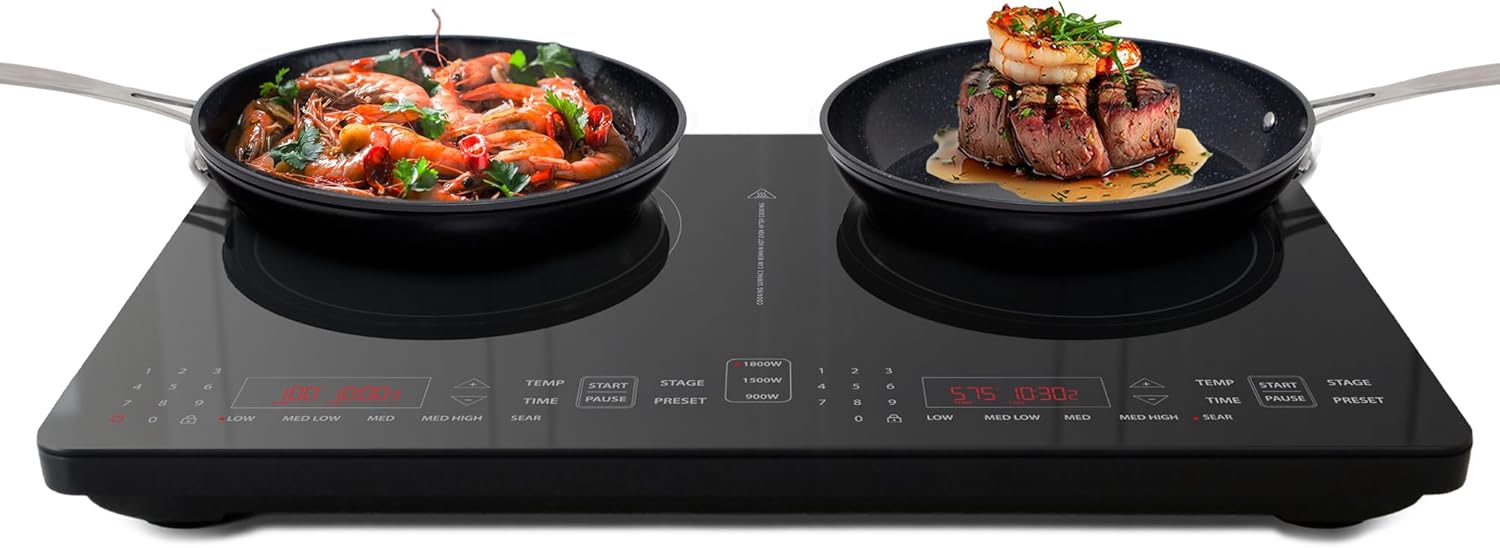
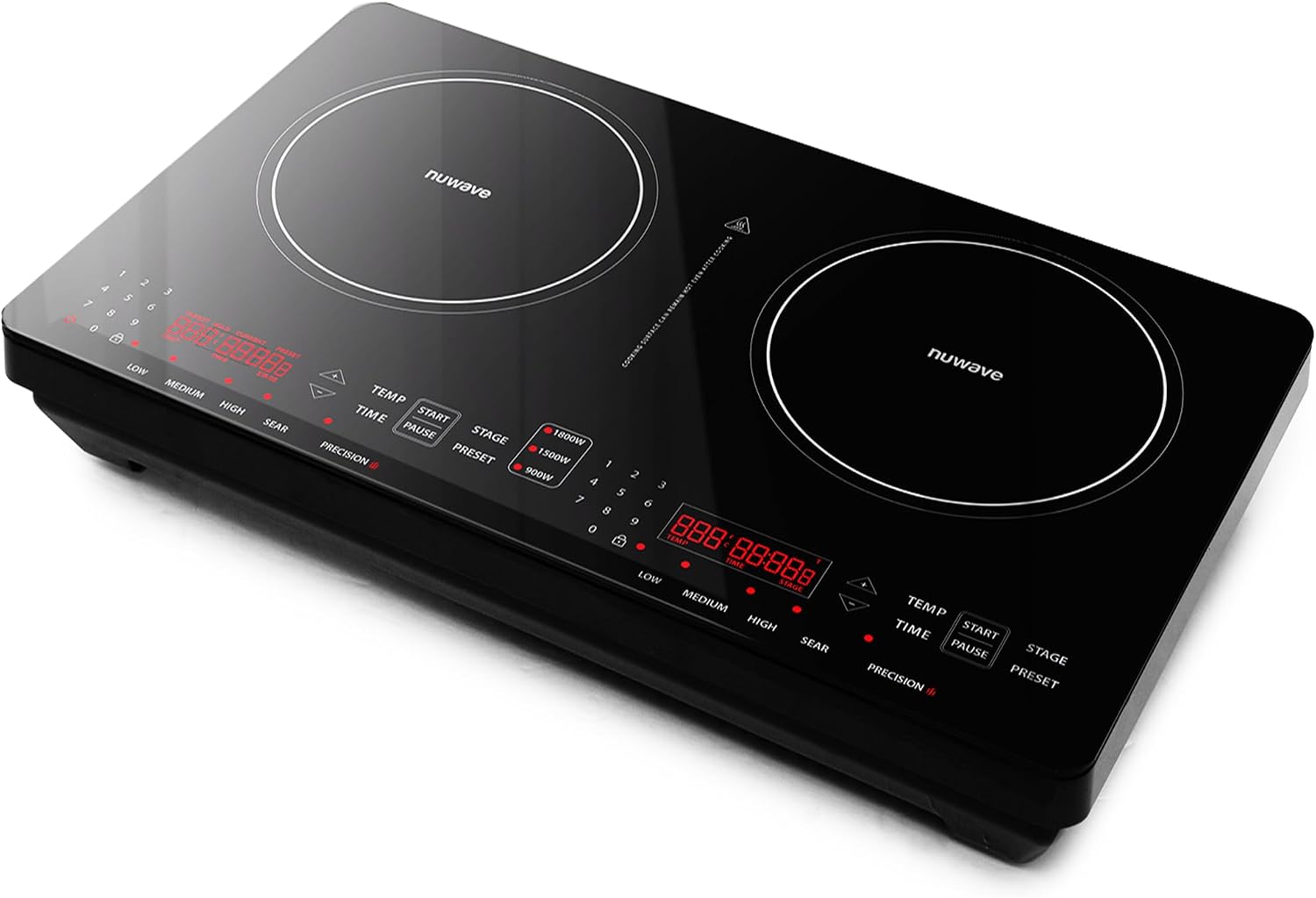
Dual-burner and four-burner configurations provide expanded workspace for multitasking cooking enthusiasts who want to simmer delicate sauces while boiling large pots of pasta concurrently. Carefully consider your typical meal preparation habits, household serving sizes, and available counter dimensions to select a layout that accommodates your preferred cookware pieces without causing overcrowding issues in your cooking area.
Cookware Compatibility and Material Limits
Induction cooking relies entirely on electromagnetic fields to generate thermal energy directly inside the bottom of your pots and pans. This means traditional non-magnetic aluminum or copper cookware will not function on these cooktops unless it features a specifically engineered magnetic base layer. Verifying your cookware collection beforehand prevents unexpected performance issues after delivery.
Testing your existing pots and pans with a small refrigerator magnet helps easily verify magnetic compatibility before making a final purchasing decision. Additionally, pay close attention to manufacturer guidelines regarding minimum and maximum pan base diameters to ensure optimal thermal energy transfer, stable balance, and efficient heating performance across every active cooking zone.
Control Interfaces and Precision Settings
Modern electric cooktops feature various control mechanisms ranging from traditional physical control knobs to smooth digital touch panels and integrated IMD glass surfaces. Touch interfaces offer sleek aesthetics and easy wipe-down cleaning without crevices, while physical knobs provide immediate tactile feedback for rapid heat adjustments during fast-paced kitchen cooking sessions.
Look for units offering fine temperature increments or specialized precision keys if you frequently prepare delicate recipes like melted chocolate, candy, or steady simmering sauces. Programmable cooking timers and multi-level preset temperature options further enhance overall cooking control by reducing the need for constant manual monitoring while you actively manage other meal preparation tasks in your kitchen.
Surface Materials and Cleaning Maintenance
The construction material of your cooktop directly impacts both long-term daily durability and routine cleanup tasks after family meals. High-quality ceramic glass and polished crystal surfaces provide smooth, attractive platforms that withstand high cooking temperatures while resisting everyday wear in busy domestic kitchens and compact apartment spaces alike.
Seamless edge-to-edge designs eliminate annoying crevices where food debris, spilled liquids, and cooking grease typically accumulate during active meal preparation. Following manufacturer maintenance guidance by simply wiping cooled glass surfaces with a damp cloth keeps your cooktop looking pristine without requiring harsh chemical cleaning agents or abrasive scouring pads that might damage the finish.
Space Considerations and Built-In Ventilation
Carefully evaluating available spatial dimensions ensures your chosen cooktop fits comfortably on your kitchen countertop or within permanent cabinetry enclosures. Portable burners require clear horizontal surface area and safe clearance from surrounding walls, while built-in models demand precise cabinet cut-out measurements for stable, secure installation by qualified electrical professionals.
Certain advanced built-in models combine the ceramic glass cooktop surface with an integrated downdraft ventilation system and removable washable grease filters. This clever hardware design completely eliminates the need for installing a separate overhead range hood and saves valuable kitchen wall space in modern open-concept home floor plans and compact urban apartments.
Frequently asked questions
Do induction cooktops require special pots and pans?
Yes, induction cooktops require cookware with a magnetic base to generate heat effectively. Materials like cast iron, enameled iron, and magnetic stainless steel work well because the induction coils interact directly with the metal. Traditional non-magnetic materials such as solid copper or standard aluminum will not function unless they feature an embedded magnetic layer. You can easily check your current cookware by placing a small refrigerator magnet on the bottom of the pot or pan. If the magnet sticks firmly, your cookware is ready for use on an induction surface.
Can I use a portable induction burner in an RV or dorm room?
Portable induction burners are popular choices for RVs, dormitories, tiny homes, and auxiliary kitchen spaces because they operate on standard 120-volt household electrical outlets. Their lightweight construction and compact physical footprint make them easy to store away when not in use. However, you should always verify the wattage settings of the burner to match your available power supply, as units offering adjustable wattage levels like 900 watts or 1500 watts help prevent overloading limited electrical circuits in recreational vehicles or student housing.
How do I clean and maintain a ceramic glass induction cooktop?
Cleaning a ceramic glass induction cooktop is straightforward because the surrounding surface stays relatively cool during cooking, preventing food from baking onto the glass. To maintain the finish, follow manufacturer guidelines by wiping cooled surfaces with a damp cloth or sponge after every meal. For models featuring seamless edge-to-edge glass panels or removable grease filters, cleanup is even easier since there are fewer crevices for debris to hide. Avoid harsh abrasive scouring pads that might scratch the polished glass appearance over time.
What is the difference between portable cooktops and built-in models?
Portable cooktops are designed for flexibility and convenience, plugging directly into standard wall outlets without requiring professional installation. They can be moved easily between counters, stored in cabinets, or taken on trips. In contrast, built-in models are permanently installed into kitchen countertops and cabinetry, often requiring professional 220-to-240-volt hardwired electrical connections. Built-in units frequently offer higher total power outputs, multiple heating elements, and integrated ventilation systems like downdraft range hoods, making them permanent fixtures for dedicated kitchen remodeling projects.
How does dynamic wattage technology work on dual-burner cooktops?
Dynamic wattage technology intelligently distributes total electrical power between two active cooking zones based on real-time temperature demands. Unlike standard portable burners that split power evenly regardless of what you are cooking, dynamic systems allocate energy where it is needed most. This allows you to rapidly boil water on one heating element while maintaining a gentle, precise simmer on the other side without exceeding the maximum total wattage output limit of the appliance during meal preparation.