Appliances · Buying Guide
Best Electric Range With Induction Cooktop Choices For Modern Kitchens
Finding the right electric range with induction cooktop requires balancing your kitchen layout, daily power needs, and specific cooking habits. Induction technology offers exceptionally rapid heating by transferring electromagnetic energy directly into compatible magnetic cookware, leaving surrounding ceramic glass surfaces much cooler than traditional radiant electric elements ever could during heavy meal preparation.
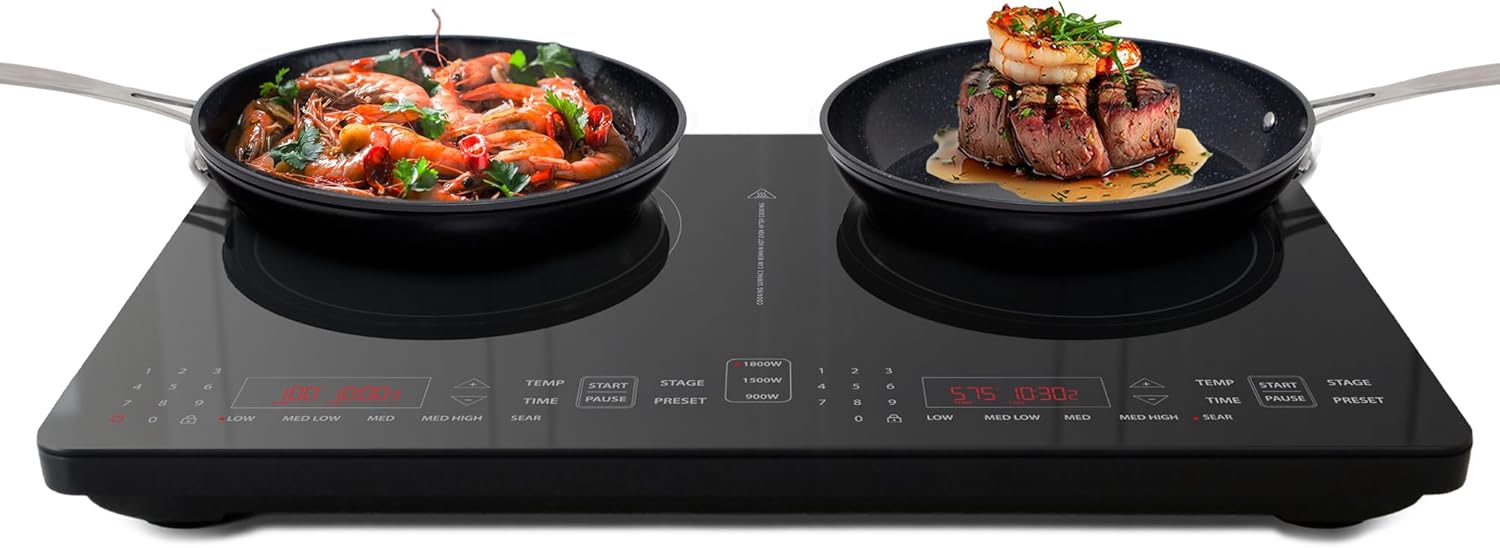
Whether you are outfitting a compact apartment kitchen, upgrading a large family cooking space, or adding portable heating solutions to an RV or dorm, modern induction units deliver remarkably precise temperature adjustments. Exploring the available burner configurations helps you match zone counts, voltage requirements, and built-in or countertop installation styles to your specific daily cooking routine without unnecessary operational complications.
As an Amazon Associate, StacyLaughs earns from qualifying purchases.
Buying guide
Understanding Voltage and Power Requirements
Electric induction cooktops vary significantly in their electrical demands, operating either on standard 110V to 120V household lines or requiring dedicated 220V to 240V hardwired connections. Smaller portable models typically plug directly into standard wall outlets, drawing up to 1800 watts for flexible placement in dorms, RVs, or auxiliary kitchen spaces without requiring specialized electrical upgrades or professional rewiring assistance.
Larger high-power built-in ranges demand robust electrical circuits to support multiple heating zones running simultaneously at peak output levels. Checking your kitchen electrical panel and wiring capacity before purchasing prevents unexpected installation delays, ensures proper compliance with local building codes, and guarantees safe, reliable long-term appliance operation during heavy meal preparation.
Choosing Between Built-In and Portable Installation Styles
Installation style dictates how your new cooktop integrates into your living space and daily culinary routine. Built-in units sit flush within standard countertop cutouts, creating a seamless, permanent aesthetic that matches modern kitchen designs while saving valuable counter surface area for active food preparation and ingredient chopping tasks.
Portable models offer unmatched flexibility, letting you move the lightweight appliance easily between different room locations, outdoor patios, or store it securely inside lower cabinets when not in active use. Carefully consider whether you want a permanent kitchen centerpiece or a versatile tool that adapts readily to changing living environments and temporary cooking setups.
Evaluating Burner Counts and Zone Configurations
Burner counts determine your daily capacity to cook multiple dishes at the exact same time. Single-burner units suit solo occupants, simple meal preparations, and minimal space requirements where complex multi-course dinners are rarely attempted. Dual-burner cooktops provide enough room to manage a main dish and a side dish simultaneously without cluttering small kitchen counters or dorm spaces.
Larger households or avid home chefs often require four or five active heating zones to boil, sear, stir-fry, and simmer complex multi-course meals without frustrating delays. Assess your typical weekly recipes and family size to select a burner configuration that matches your practical cooking habits and household entertaining style.
Cookware Compatibility and Surface Materials
Induction cooking relies directly on electromagnetic energy transfer, meaning your pots and pans must contain magnetic materials like cast iron, enameled cast iron, or stainless steel to generate effective heat. Testing your existing cookware collection with a simple refrigerator magnet helps you quickly determine which pieces will transfer over successfully without needing immediate replacement purchases or unexpected expenses.
Cooktop surfaces typically feature durable ceramic or crystal glass that resists high thermal shock and wipes clean easily after cooling down completely. Choosing sturdy cookware that supports heavy weight capacities prevents surface scratching and ensures stable, long-lasting performance across frequent daily meal preparation sessions in busy modern kitchens.
Precision Temperature Control and Simmer Technology
Precise temperature control separates basic cooktops from advanced induction models. Look for units offering multiple power levels, fine temperature adjustments in small numerical increments, and specialized preset cooking modes tailored specifically for boiling water, simmering delicate stocks, or melting chocolate without scorching. These granular settings give you complete command over every recipe you attempt in your kitchen.
Advanced low-heat simmer technology ensures steady, continuous gentle warmth without the harsh on-off cycling common in traditional electric burners. This reliable capability prevents delicate sauces from breaking and helps you achieve consistent, professional results every single time you cook complex meals for family members or guests.
Safety Features and Integrated Ventilation Options
Kitchen safety is paramount, and modern induction cooktops include numerous protective functions like child locks to prevent accidental activation, residual heat warning lights, and automatic shut-off systems triggered by overflow spills or removed cookware. These helpful safeguards offer immense peace of mind in busy family households with active children running around the kitchen space.
Some advanced 30-inch models also integrate downdraft range hoods directly into the cooking surface, capturing fumes and cooking grease through easily removable, washable filters. This space-saving design completely eliminates the need for bulky overhead ventilation setups while maintaining a sleek, modern kitchen aesthetic during daily meal preparation tasks.
Frequently asked questions
What cookware works with an electric range with induction cooktop?
Induction cooking requires cookware made from magnetic materials, such as cast iron, enameled cast iron, or magnetic stainless steel. If a refrigerator magnet sticks firmly to the bottom of your pot or pan, it is compatible with induction surfaces. Non-magnetic materials like pure aluminum, copper, or glass will not generate heat on an induction burner unless they feature an embedded magnetic base layer. Testing your existing cookware beforehand helps prevent unexpected purchasing expenses when transitioning to an induction cooktop system.
Do induction cooktops require special electrical installation?
Electrical requirements depend heavily on the model size and power output. Smaller portable induction burners operate on standard household outlets, drawing up to 1800 watts for easy plug-and-play use in dorms, RVs, or secondary kitchen spaces. However, larger built-in multi-zone cooktops often require dedicated high-voltage hardwired electrical connections to support their high wattage capacity. Consulting a qualified electrician before installation ensures your home wiring meets necessary safety and building code standards.
How do I clean and maintain the ceramic glass surface?
Cleaning a ceramic glass induction surface is straightforward because the surrounding area stays relatively cool, preventing spilled food from baking onto the glass. You should wait for the cooking zone to cool down completely, then wipe away crumbs and light grease using a damp cloth or soft sponge. For stubborn residue, manufacturer guidelines recommend using specialized non-abrasive cooktop cleaners. Avoid harsh scouring pads or metal scrapers that could scratch the smooth glass ceramic finish.
Can an induction cooktop replace a traditional range hood?
Standard induction cooktops do not replace range hoods because cooking still generates steam, smoke, and grease particles that rise into the air. However, specialized integrated models combine an induction cooktop with a built-in downdraft ventilation vent in a single unit. These integrated systems pull fumes downward through washable grease filters, effectively eliminating the need for an overhead hood and saving valuable space in modern kitchen layouts that prioritize sleek cabinetry aesthetics.
Are induction cooktops safe for families with children?
Induction cooktops offer significant safety advantages over traditional electric or gas stoves because they heat only the cookware rather than the surrounding glass surface. Furthermore, most modern induction models include dedicated safety features such as child locks that prevent accidental button presses, residual heat warning indicator lights, automatic shut-off systems activated by overflows, and automatic pan detection that turns off the burner when cookware is removed.