Appliances · Buying Guide
Best Electric Stove With Induction Cooktop Options for Every Kitchen
Selecting an electric stove with induction cooktop setup gives modern kitchens a fast and energy-efficient way to prepare daily meals. Unlike traditional heating elements, induction technology transfers electromagnetic energy directly to compatible cookware. This direct heating method keeps surrounding kitchen surfaces cool while speeding up boiling and simmering times across various culinary tasks.
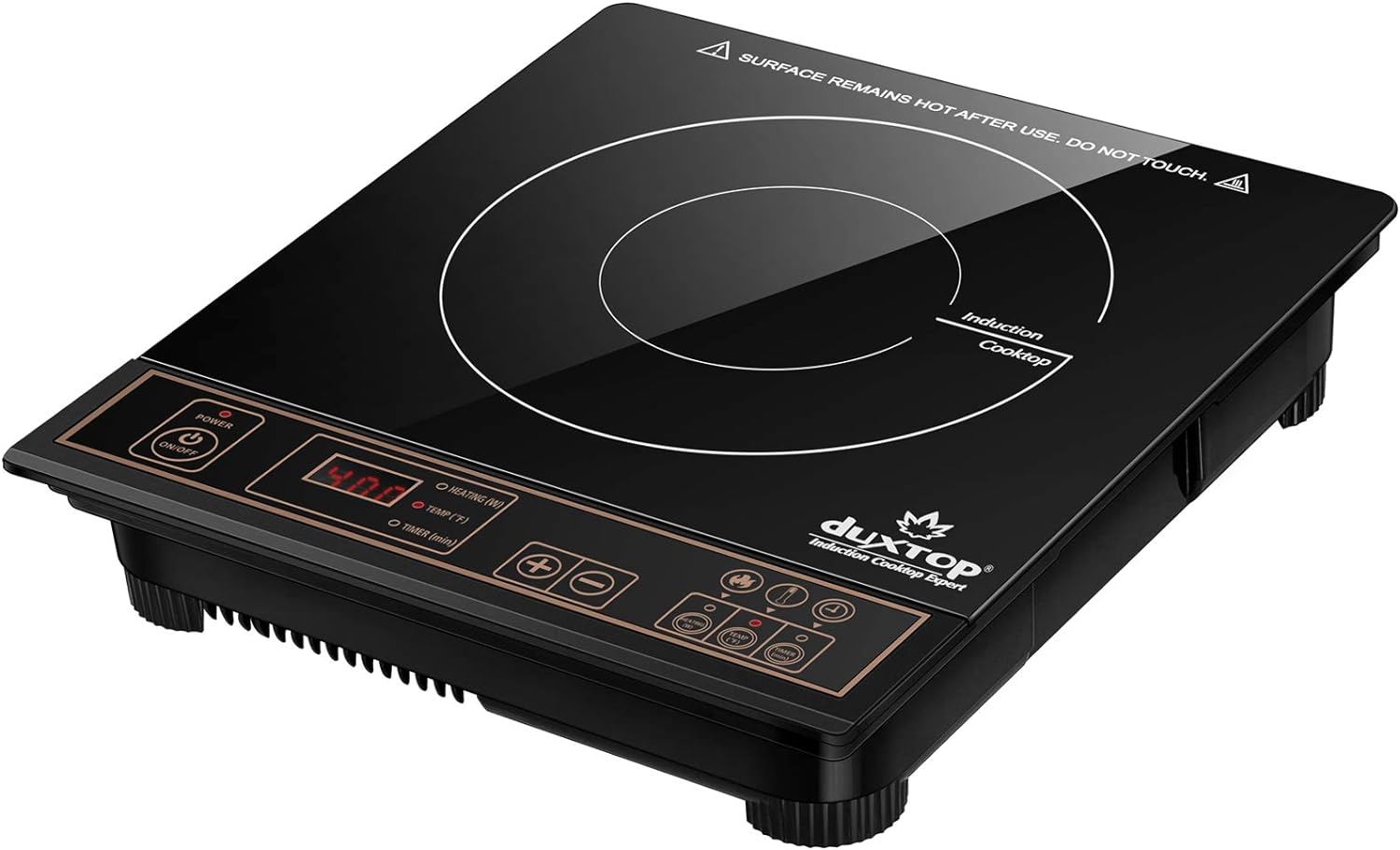
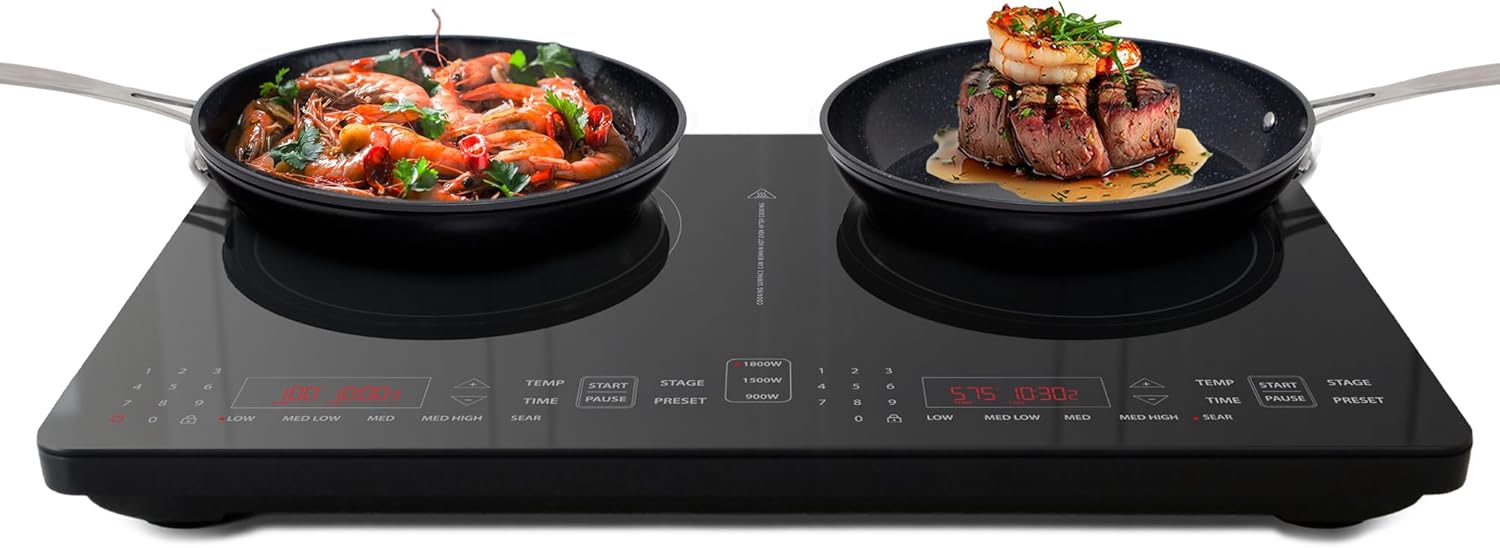
Portable induction units offer flexible placement options for small apartments, RVs, cabins, and busy counter spaces. Buyers can choose between single-burner models built for compact storage and dual-zone appliances designed to handle multiple pots simultaneously. Reviewing specific power levels, temperature ranges, and physical dimensions ensures the chosen cooktop fits your available kitchen space and everyday cooking requirements seamlessly.
As an Amazon Associate, StacyLaughs earns from qualifying purchases.
Buying guide
Power and Voltage Requirements
Evaluating power output and electrical compatibility remains a fundamental step when choosing an electric induction cooktop for your home, RV, or mobile cooking space today. Most portable models operate smoothly on standard 120-volt household electrical outlets, drawing up to 15 amps of current safely without requiring specialized professional wiring modifications in your kitchen environment.
While single burners dedicate their full wattage to one heating zone, dual-zone appliances often share total power capacity between plates to manage overall electrical loads efficiently. Checking specific wattage ratings ensures your kitchen electrical circuit handles simultaneous cooking tasks without tripping household breakers during heavy meal preparation sessions and extended daily use across various recipes.
Cookware Compatibility Essentials
Induction cooking requires specific magnetic cookware materials to generate heat efficiently through direct electromagnetic energy transfer across the surface. Compatible options include heavy cast iron, enameled iron, steel, and stainless steel pots featuring a proper magnetic bottom layer. Standard non-magnetic metals cannot activate the electromagnetic heating process on ceramic or tempered glass cooktops during daily cooking routines.
Traditional aluminum and copper pans lack necessary magnetic properties unless manufactured specifically with a bonded induction-ready base plate. Testing your existing pots and pans with a small household magnet helps determine compatibility before purchasing a new glass-surface stovetop, preventing frustrating operational error codes and ensuring seamless daily meal preparation in your kitchen space.
Physical Dimensions and Counter Space
Assessing available counter space and appliance dimensions helps determine whether a portable single-burner or dual-zone induction cooktop suits your specific kitchen layout. Single-burner units offer compact profiles that require minimal storage room, making them ideal for small studio apartments, RVs, cabins, and crowded kitchens where counter space remains at a premium every single day.
Dual-zone appliances provide expanded cooking surfaces for multiple pots simultaneously but demand a wider countertop footprint during active operation. Measuring your storage cabinets and available counter area beforehand ensures the selected appliance fits comfortably without overcrowding your primary workspace or blocking surrounding kitchen activities during complex meal preparation sessions and family gatherings seamlessly.
Temperature Control and Precision Settings
Granular temperature controls allow home cooks to maintain steady, even heat for delicate tasks like melting chocolate, simmering delicate sauces, or searing thick steaks properly. Modern cooktops offering wide temperature ranges adjustable in small increments provide superior thermal management compared to basic units with limited preset heat levels during everyday meal preparation routines and family dinners.
Reviewing the available temperature increments ensures you can achieve the exact heat required for specialized recipes and cooking techniques across various meals. Advanced models featuring integrated digital probes or precision keys help monitor internal food temperatures automatically, removing guesswork from complex cooking projects in your home kitchen environment safely and consistently over time.
Safety Features and Controls
Active safety features provide essential peace of mind by preventing accidental burns, electrical overloads, and unsupervised heating mishaps in busy kitchen environments. Built-in child locks, auto-pause functions, and automatic pan detection systems ensure the cooktop shuts down immediately when cookware is removed from the active glass surface during busy cooking sessions safely and reliably.
Evaluating control interfaces—whether touch panels, push buttons, or physical knobs—helps ensure comfortable operation tailored to your personal preferences and cooking style. Seamless glass surfaces and shatter-resistant ceramic designs also simplify daily cleanup routines while protecting internal electrical components from accidental liquid spills during active cooking sessions every single day without complications whatsoever during use.
Maintenance and Cleaning Practices
Maintaining a glass-surface induction cooktop requires proper cleaning practices to preserve the polished appearance and prevent residue buildup over time. Wiping the ceramic or tempered glass surface with a damp cloth after cooling helps remove food splatters and daily cooking debris effortlessly without harsh chemical cleaners in your kitchen environment safely every day.
Following manufacturer guidelines regarding non-abrasive cleaning tools prevents surface scratches and maintains responsive touch panels or control knobs. Avoid harsh scouring pads that can damage the ceramic glass finish over extended periods of regular kitchen use and meal preparation routines across various recipes and family meals every week without fail.
Frequently asked questions
Do induction cooktops work with standard pots and pans?
Induction cooktops require magnetic cookware to generate heat properly. You can test your existing pots and pans by holding a small magnet to the bottom of the vessel. If the magnet sticks firmly, the cookware is induction-ready and compatible with glass-surface burners. Cookware made from non-magnetic materials like standard aluminum or copper will not work unless equipped with a bonded magnetic base plate. Checking your cookware before purchasing ensures a smooth transition to induction cooking and prevents operational error codes when you turn on the appliance.
Can I use portable induction cooktops in an RV or small apartment?
Portable induction cooktops serve as excellent cooking solutions for RVs, cabins, studio apartments, and other small spaces lacking a traditional full-sized kitchen range. Most models operate on standard 120-volt household electrical outlets, drawing up to 15 amps without requiring specialized wiring installations. Their compact physical footprints and lightweight designs make them easy to store inside cabinets or transport on trips. Buyers should measure available counter space and verify circuit capacity to ensure reliable operation during meal preparation in compact living environments.
How do dual-zone induction cooktops manage power between burners?
Dual-zone induction cooktops feature two independent heating plates managed by internal power distribution technology. Unlike standard appliances that split wattage evenly, advanced dynamic watt technology intelligently allocates energy between both burners based on active cooking demands. This allows users to boil water rapidly on one side while maintaining a gentle simmer on the other without exceeding total electrical output limits. Reviewing maximum combined wattage ratings helps users understand how both burners perform when operating simultaneously during complex meal preparation.
What safety features are common on electric induction cooktops?
Electric induction cooktops incorporate multiple safety mechanisms designed to protect users during active cooking sessions. Common features include child locks to prevent accidental setting changes, auto-pause functions, and overheat protection systems. Automatic pan detection is another vital safety measure that shuts the heating unit off shortly after cookware is removed from the glass surface. Additionally, voltage warning systems alert users to electrical fluctuations, ensuring safer operation across various household and mobile environments without risking internal component damage.
How should I clean and maintain a glass induction cooktop?
Maintaining a glass-surface induction cooktop involves straightforward cleaning practices designed to protect the polished ceramic or tempered glass finish. Users should always allow the cooktop to cool completely before wiping the surface with a damp cloth to remove food splatters and debris. Following manufacturer maintenance guidelines helps prevent scratches and preserves responsive touch panels. Avoid abrasive scouring pads or harsh chemical cleaners that can degrade the glass over time, ensuring your appliance maintains its clean appearance and reliable functionality through regular use.