Appliances · Buying Guide
Best Flat Bread Maker Machine Options for Homemade Flatbreads
Making fresh flatbreads at home requires the right countertop appliance to handle various dough types, ranging from thin tortillas and rotis to traditional fermented sourdoughs. Selecting a dependable flat bread maker machine depends heavily on your preferred recipes, available kitchen space, and how much manual effort you want to spare during daily meal preparation.
Different designs offer distinct cooking methods, spanning from fully automated mixing systems to wide electric griddles and specialized convex domes built for specific regional dishes. Understanding these core mechanical differences helps you match a machine's physical footprint and heating specifications to your household cooking habits and favorite global flatbread styles without unnecessary trial.
As an Amazon Associate, StacyLaughs earns from qualifying purchases.
Buying guide
Cooking Surface Size and Dimensions
Selecting the right cooking surface size depends heavily on the specific type of flatbread you plan to make regularly. Compact eight-inch models work well for single-serving crepes or small tortillas, while larger sixteen-to-eighteen-inch models accommodate wide sourdough flatbreads, lavash, and traditional styles. Measuring your available counter space beforehand ensures the appliance fits comfortably without crowding your kitchen work area.
Larger unit diameters require more storage room and wider clearance around the countertop during active operation. Consider how many people you typically cook for and whether your preferred recipes demand expansive surfaces for stretching dough freely. Matching the physical dimensions to your kitchen layout prevents storage frustration and ensures safe daily use.
Heating Power and Temperature Control
Heating performance dictates how evenly your flatbreads bake and how quickly the appliance recovers its temperature between cooking batches. Models featuring higher wattage ratings generally heat up faster and maintain steadier surface temperatures during continuous baking cycles. Look for adjustable thermostats or digital temperature controls if you frequently prepare diverse flatbread varieties requiring specific thermal levels.
Precise temperature adjustments prevent delicate doughs from burning while ensuring proper rising, puffing, and browning. Simple rotary dials offer quick manual adjustments, whereas advanced digital interfaces permit fine-tuning in incremental steps for demanding recipes. Evaluating these heating mechanisms helps you achieve consistent, professional results across different regional flatbread styles.
Surface Materials and Nonstick Coatings
The construction material of the cooking plate directly influences heat distribution and food release quality. Heavyweight aluminum and die-cast metals promote even thermal conductivity, minimizing cold spots across the active baking area. Durable nonstick coatings prevent sticky doughs from tearing when you lift, turn, or remove the flatbread during cooking.
Reviewing the coating specifications ensures you select surfaces designed for straightforward maintenance after the appliance cools down completely. Many nonstick plates wipe clean easily with a damp cloth, eliminating the need for aggressive scrubbing. Choosing appropriate cleaning tools helps preserve the protective nonstick layer over extended periods of use.
Manual Versus Automated Operation
Deciding between manual pressing and fully automated mixing depends entirely on your preferred workflow and available preparation time. Manual electric makers require you to mix dough separately and use the press to flatten individual portions. Automated machines handle measuring, dispensing, mixing, and kneading internally, delivering finished pieces directly at the touch of a button.
While automated systems offer exceptional convenience for high-volume needs, they introduce more mechanical components and occupy greater countertop space. Manual appliances provide direct tactile control over dough texture and thickness while remaining simpler to operate and maintain. Assess your personal cooking routine to determine which operational style suits your household kitchen.
Storage and Portability Features
Kitchen storage constraints often dictate the physical format of the flatbread appliance you choose to purchase for your home. Compact models featuring integrated cord wraps and upright storage options easily fit inside standard cabinets without cluttering countertops. Portable designs equipped with comfortable handles allow for flexible placement and easy transport when needed.
Larger commercial-style griddles require dedicated permanent counter space or spacious pantry shelving due to their expansive footprints and heavy builds. Evaluating your storage capacity before buying prevents operational frustration and ensures the appliance remains accessible for regular meal preparation. Always verify physical unit dimensions against your available cabinet spaces.
Accessories and Special Design Elements
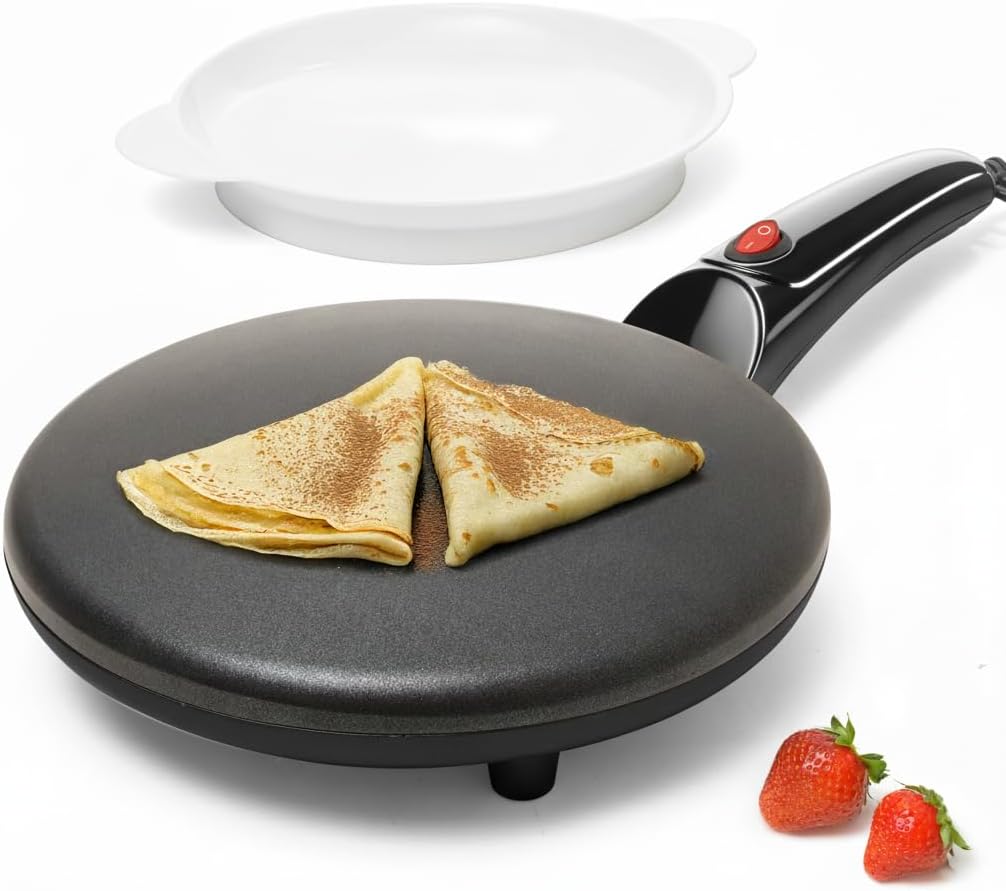
Additional design elements and included accessories can significantly enhance your overall flatbread-making experience at home. Some appliances include specialized dipping plates for batter-based crepes, while others feature steam-retaining lids necessary for authentic textured breads. Digital LED handles, indicator lights, and adjustable timers provide extra operational feedback during cooking.
Reviewing these extra features helps you identify appliances tailored to specific cultural recipes or everyday convenience preferences. Built-in safety mechanisms, such as automatic shutoffs or protective door sensors, add practical reassurance during family meal preparation. Matching included accessories to your culinary interests ensures you get maximum utility from your appliance.
Frequently asked questions
Can I use a flat bread maker machine for different types of dough?
Many flat bread maker machines are engineered to accommodate multiple dough types, ranging from thin wheat tortillas and chapatis to fermented batters and specialty flatbreads. However, compatibility depends heavily on the specific appliance design. Models with adjustable temperature controls and versatile heating surfaces handle varied thicknesses and recipes more effectively. Conversely, specialized units optimized exclusively for single-style items like traditional crepes or specific sourdoughs may have restrictive surface shapes. Always review the manufacturer specifications and temperature ranges to ensure your preferred recipes match the machine's intended capabilities.
How do I clean and maintain a nonstick flat bread maker?
Cleaning a nonstick flat bread maker requires gentle handling to preserve the protective coating over time. Most units feature smooth nonstick plates that can be wiped clean easily with a damp cloth after the appliance has cooled down completely. You should avoid abrasive scouring pads or harsh chemical cleaners that might scratch the surface. If the model includes removable dishwasher-safe parts, those components can be washed according to manufacturer guidelines. Always use wooden or silicone utensils during cooking to prevent accidental damage to the delicate nonstick finish.
What is the advantage of an automatic roti maker over a manual press?
An automatic roti maker offers the distinct advantage of handling the entire production cycle internally, including measuring, dispensing, mixing, and kneading dry ingredients into finished flatbreads. This automated approach eliminates the manual effort and guesswork required with traditional presses. In contrast, manual electric presses require you to mix dough separately and flatten individual portions by hand. While automatic machines provide exceptional convenience and consistency for high-volume needs, they typically demand more countertop space and involve more complex mechanical components than straightforward manual press models.
Do flat bread maker machines require special electrical setups?
Most standard consumer flat bread maker machines operate on standard household electrical voltages, such as 120 volts, allowing them to plug directly into conventional kitchen outlets. However, power requirements vary depending on the heating element wattage and appliance size. High-wattage griddles or commercial-grade units may draw substantial electrical current, requiring careful attention to circuit loads and outlet availability. It is essential to check the voltage and power specifications listed for each specific model before purchase to ensure compatibility with your home kitchen electrical configuration.
How much counter space do I need for a flat bread maker machine?
The required counter space varies widely depending on the specific model and cooking surface dimensions you select. Compact crepe makers and ten-inch tortilla presses have small physical footprints that easily fit on standard counters or store inside cabinets. In contrast, large sixteen-inch Saj griddles and expansive eighteen-inch commercial-grade units demand substantial countertop space and careful storage management due to their wide diameters and heavier builds. Assessing your available kitchen workspace and storage capacity beforehand helps you choose an appliance size that fits your home environment comfortably.