Appliances · Buying Guide
Best Commercial Gas Rice Cookers for High-Volume Kitchens
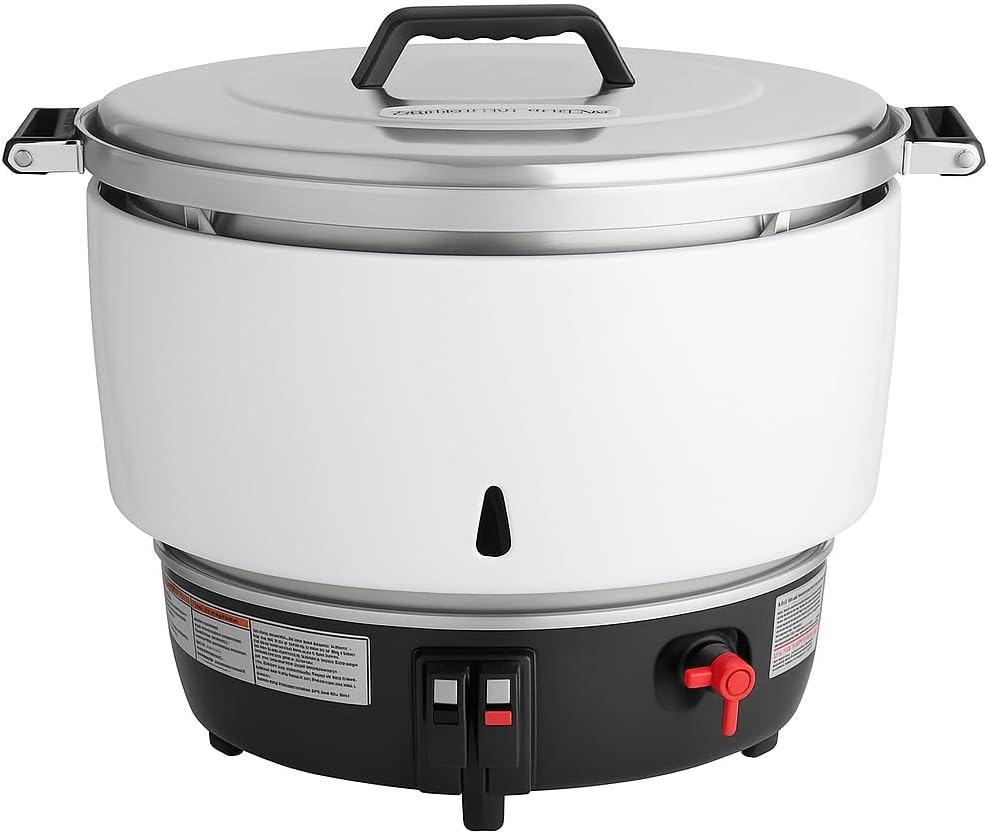
Running a busy restaurant or food service operation requires reliable equipment to handle massive batches of staples like rice, oatmeal, and grits. Commercial gas rice cookers provide powerful heating through propane or natural gas connections, ensuring fast cooking times and consistent results. These high-capacity units are built to manage heavy daily demands while keeping food warm for serving. Choosing the right model depends on your kitchen's specific fuel source, batch size requirements, and available space.
Exploring the available options helps match heavy-duty cooking needs with the correct hardware configuration. Reviewing these heavy-duty appliances allows commercial kitchen managers to evaluate physical footprints, BTU outputs, and power requirements effectively before investing in a permanent setup for daily food preparation tasks.
As an Amazon Associate, StacyLaughs earns from qualifying purchases.
Buying guide
Fuel Source Compatibility
Selecting a commercial gas rice cooker starts with identifying your facility's available fuel infrastructure. Models operate specifically on either natural gas or liquid propane, and units cannot cross fuel types without professional conversion kits. Ensuring your kitchen has the correct gas line or tank setup prevents installation delays and operational safety hazards during daily food preparation routines.
Natural gas units connect directly to permanent building lines, offering continuous fuel without tank swaps. Liquid propane cookers suit mobile kitchens or spaces without direct gas lines, relying on external tanks. Matching the appliance fuel specification to your existing infrastructure keeps kitchen workflows straightforward and guarantees compliance with local commercial building codes and safety regulations.
Capacity and Batch Output
Commercial rice cookers measure capacity in uncooked raw cups, which double or triple when fully cooked. Units holding 55 cups of raw ingredients yield up to 110 cups of finished product per batch, supporting high-volume dining rooms. Evaluating your peak service hour demand prevents undercooking or making excessive batches that sit too long in warming modes.
Matching batch size to customer volume ensures fresh food is always ready during rushes. Smaller 10-liter or 55-cup raw models fit medium-sized restaurants, while massive output variants serve bustling cafeterias and banquet halls. Reviewing expected daily rice consumption helps determine whether a single high-capacity cooker or multiple smaller units best serves your kitchen output goals.
BTU Power Ratings
Thermal power output, measured in British Thermal Units, dictates how fast a commercial cooker reaches cooking temperatures. Models ranging from 9,600 BTU up to over 25,000 BTU handle heavy food loads differently. Higher BTU ratings generally translate to faster cooking times, reducing the minutes required to process large batches of grains during peak operating hours.
Balancing BTU power with your kitchen ventilation capacity is essential for safety and comfort. High-output burners require adequate hood space and clearance to manage heat output effectively. Selecting a power level that aligns with your menu speed requirements ensures consistent textures across dense grains, grits, and other bulk-cooked menu items.
Inner Pot Materials and Cleaning
The inner pot material directly influences heat distribution and daily maintenance routines in commercial environments. Many models feature removable aluminum inner pots designed to conduct heat efficiently while remaining manageable for manual washing. Deep-drawn aluminum pots withstand frequent use but require adherence to manufacturer cleaning guidelines to preserve surface quality over time.
Establishing a consistent post-service cleaning routine prevents starch buildup and extends equipment lifespan. Removable pots allow staff to take vessels to prep sinks easily without moving the entire gas-connected base appliance. Checking whether a model specifies hand washing or specific wiping techniques ensures proper upkeep without damaging internal non-stick or metallic finishes.
Safety and Automatic Controls
Commercial kitchens demand robust safety mechanisms to protect staff during fast-paced cooking shifts. Many gas cookers include automatic shutoff protection that halts gas flow if the pilot light or burner flame extinguishes unexpectedly. This feature prevents hazardous gas accumulation and gives kitchen operators peace of mind during unattended cooking cycles.
Built-in temperature sensors and automatic keep-warm functions further enhance operational control. Once cooking completes, these systems shift the unit into a lower temperature holding state, keeping food warm without scorching. Cool-touch handles and secure locking lids also minimize accidental burns when transporting heavy inner pots across slippery kitchen floors.
Physical Dimensions and Installation
Measuring your available counter or floor space before purchasing a commercial gas cooker prevents layout bottlenecks. Models vary in diameter and height, with larger 110-cup capacity units requiring substantial clearance on prep tables or dedicated equipment stands. Factoring in gas line connection points ensures the unit fits flush against walls safely.
Professional installation by licensed gas technicians is mandatory for most commercial gas food equipment. Certified setup guarantees that gas lines, pressure regulators, and ventilation hoods meet local commercial building standards. Planning for these installation requirements avoids costly delays and ensures your new cooker operates reliably from day one.
Frequently asked questions
Can commercial gas rice cookers use both natural gas and propane?
Commercial gas rice cookers are manufactured to operate on one specific fuel type, either natural gas or liquid propane. A unit built for natural gas cannot be connected directly to a propane tank without a specialized conversion kit installed by a professional technician. Attempting to use the wrong fuel source without proper conversion poses severe safety risks and violates manufacturer specifications. Always verify your kitchen's fuel infrastructure before purchasing a cooker to ensure complete compatibility.
What is the difference between raw cup capacity and cooked capacity?
Raw cup capacity measures the dry, uncooked volume of grains placed into the cooker, such as 55 cups of dry rice. Cooked capacity refers to the final volume after the grain absorbs water and expands during the cooking process, typically doubling or tripling to 110 cups. Understanding this distinction is crucial for commercial kitchens because recipe scaling depends on dry measurements, while serving portions rely on the final cooked volume produced by each batch cycle.
Do commercial gas rice cookers require electricity to operate?
While the primary heating power comes from natural gas or liquid propane, many commercial models require a standard electrical connection, such as 120 volts, to power internal controls, bimetallic sensors, or automatic ignition systems. Some units feature low electrical wattages dedicated strictly to circuit boards or indicator lights, while others operate entirely on gas pressure. Reviewing the specific electrical requirements in the manufacturer specifications ensures your kitchen has the appropriate outlets nearby.
How do I clean and maintain a removable aluminum inner pot?
Maintaining a removable aluminum inner pot involves washing the vessel after each cooling cycle using appropriate cleaning methods specified by the manufacturer. Many models require hand washing rather than immersion in water to protect the housing and internal mechanisms. Regularly clearing starch residue prevents buildup that can impact heat transfer. Always ensure the pot is completely dry and clean before placing it back onto the gas burner base for the next batch.
What safety features should I look for in a gas rice cooker?
Key safety features in commercial gas rice cookers include automatic shutoff mechanisms that halt gas flow if the flame extinguishes unexpectedly, preventing dangerous fuel accumulation. Heat-resistant handles and wide drop handles that remain cool during use protect staff from burns when moving heavy pots. Additionally, built-in steam venting systems help manage internal pressure safely, while stable base construction ensures the heavy appliance remains secure on commercial prep tables during busy operating shifts.