Appliances · Buying Guide
Best ge induction cooktop 30 alternatives for modern kitchens
Upgrading your kitchen workspace often leads homeowners to explore reliable surface heating options like a ge induction cooktop 30 model. Modern electric cooking zones offer rapid, electromagnetic energy transfer directly into compatible cookware, bypassing traditional burner coils completely. This advanced technology ensures that heat concentrates precisely where you need it, minimizing ambient kitchen warmth and maximizing energy efficiency during daily meal preparation tasks.
Choosing the right thirty-inch cooking surface depends heavily on your kitchen layout, electrical requirements, and daily meal preparation style. Whether you need multiple high-wattage burners for large family gatherings or flexible bridge zones for oversized griddles, reviewing available options helps clarify what fits your specific cabinetry and cooking habits best without guesswork.
As an Amazon Associate, StacyLaughs earns from qualifying purchases.
Buying guide
Electrical Requirements and Voltage
Installing a modern thirty-inch induction cooktop requires very careful attention to your home electrical infrastructure. Most high-performance surface models operate on elevated voltage supplies, typically requiring dedicated hardwired connections ranging from 220 to 240 volts. Checking your circuit breaker capacity and available amperage before purchasing prevents unexpected delays, safety hazards, and costly retrofitting during kitchen remodeling projects.
Professional electricians should always evaluate your kitchen wiring layout to ensure it safely supports high wattage demands. Failing to verify proper amperage ratings can lead to frequently tripped breakers or inadequate heating performance when you operate multiple high-power elements simultaneously. Always consult manufacturer specifications regarding circuit protection before final placement.
Burner Configuration and Zone Layout
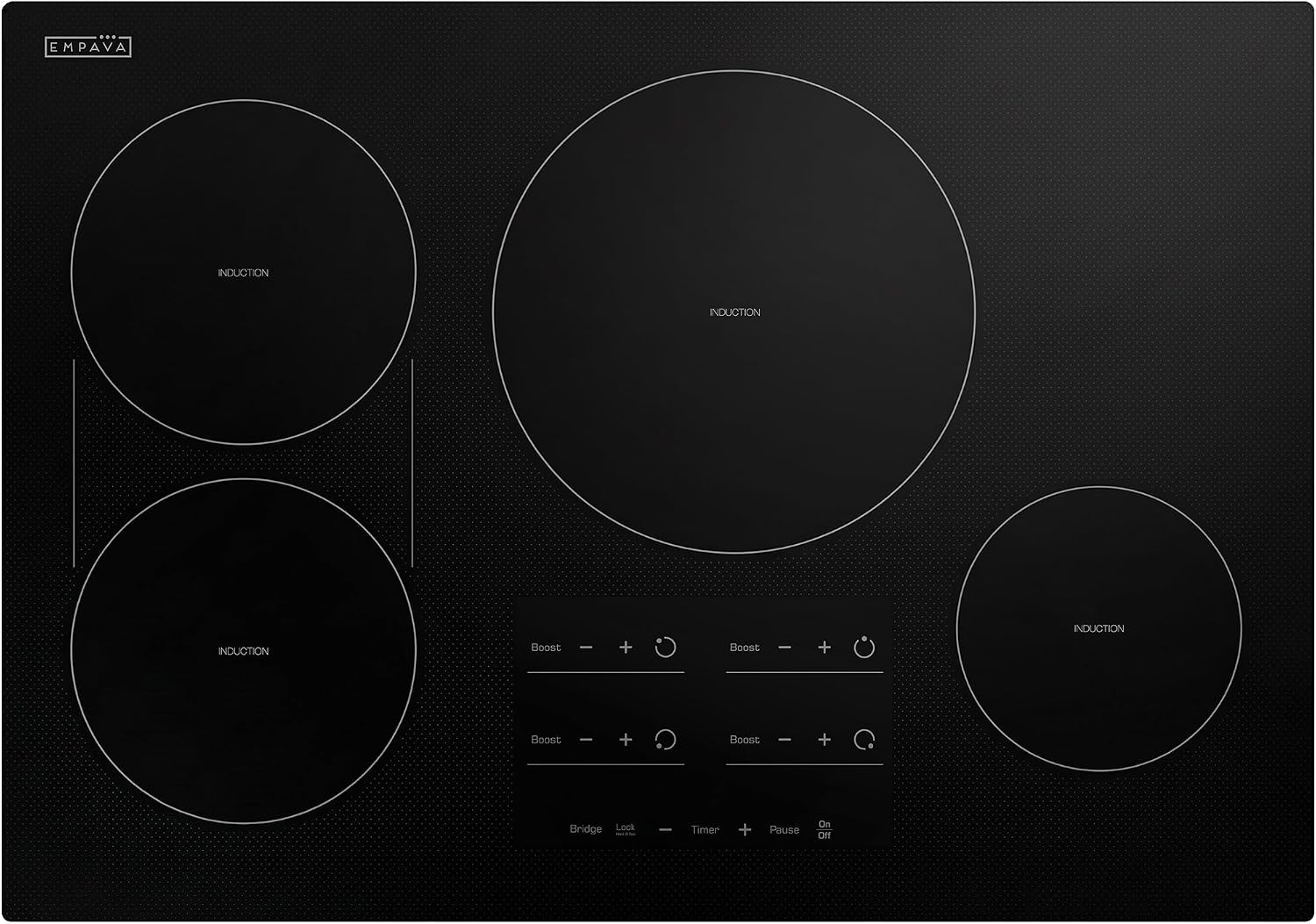
The physical arrangement of heating elements significantly influences how efficiently you can prepare everyday family meals. Thirty-inch cooktops typically offer either four or five independent cooking zones across the glass surface. Four-burner layouts provide generous spacing for standard round pots and pans, while five-burner variants maximize surface utility for complex, multi-dish cooking routines.
Consider your typical cookware collection carefully when evaluating these different zone layouts. If you frequently use oversized griddles, heavy Dutch ovens, or long roasting pans, look specifically for models featuring flexible bridge elements or sync zones. These combined areas merge adjacent burners into one continuous heating platform, preventing cold spots during large meals.
Surface Materials and Glass Care
Modern induction cooking surfaces rely on durable glass-ceramic or crystal glass materials designed to withstand high operational temperatures. Unlike traditional electric coil burners, induction glass stays relatively cool outside the immediate cookware footprint. This characteristic helps prevent spilled foods from baking onto the hot ceramic material, simplifying everyday cleanup after preparing messy family meals.
Maintaining your cooktop surface properly requires gentle cleaning methods recommended by the manufacturer. Avoid abrasive scouring pads and harsh chemical powders that can permanently scratch the smooth glass finish. Instead, use specialized non-scratch cooktop cleaners and soft microfiber cloths to preserve the polished or low-glare appearance over many years of frequent kitchen use.
Control Interfaces and Power Levels
Touch control panels offer a sleek, streamlined aesthetic while eliminating physical knobs that typically trap grease and cooking debris. Most induction models feature integrated digital sliders or touch-sensitive buttons that let you adjust heat settings instantly with a simple press. Evaluating how many power levels a model provides helps determine your overall temperature control precision and user comfort.
Units featuring nine power levels handle standard boiling, searing, and simmering tasks reliably for everyday family cooking needs. For advanced temperature management, models offering seventeen distinct power levels allow fine micro-adjustments for delicate tasks like melting chocolate or reducing complex sauces without scorching your ingredients.
Cookware Compatibility and Material Rules
Induction cooking operates entirely through specialized electromagnetic fields that require specific magnetic cookware to generate heat properly. Standard aluminum, copper, or pure glass pans will not function on these cooktops unless they feature a bonded magnetic stainless steel base. Testing your existing pots and pans with a simple refrigerator magnet easily confirms compatibility before you buy a brand new built-in cooktop.
Using flat-bottomed cookware is equally important for maximizing heat transfer efficiency across the smooth glass-ceramic surface. Warped or uneven pan bases reduce direct contact with the active heating zone, resulting in slower boiling times and uneven cooking results during daily meal preparation routines.
Built-In Safety and Protection Features
Modern induction cooktops incorporate numerous electronic safety functions designed to protect all users during active operation. Common standard features include child locks to prevent accidental power activation, residual heat indicators that clearly warn when glass surfaces remain warm, and automatic shut-off timers that halt heating if elements are left unattended for too long by the cook.
Advanced models also feature overflow sensors that cut power automatically if liquids spill onto the touch control panel, alongside smart pan detection sensors that deactivate zones when compatible cookware is removed. These integrated technological protections enhance kitchen safety significantly during busy daily family cooking and baking sessions.
Frequently asked questions
Do thirty-inch induction cooktops require special wiring?
Yes, most thirty-inch induction cooktops require a dedicated electrical connection operating between 220 and 240 volts, often needing professional hardwiring by a certified electrician. Because these appliances draw high wattage—frequently between 8000 and 10600 watts—standard household 110V outlets cannot supply enough power safely. Checking your home circuit breaker rating and amperage requirements before purchasing ensures your kitchen electrical panel can handle the heavy electrical load without risking tripped breakers or system overloads during heavy cooking.
Can I use my existing cookware on an induction cooktop?
You can use existing cookware only if the pots and pans are made of magnetic materials like cast iron or magnetic stainless steel. Induction technology relies on magnetic fields to generate heat directly inside the cookware base, meaning aluminum, copper, or pure glass vessels will not heat up on the glass surface. A quick test with a standard refrigerator magnet on the bottom of your pans will instantly reveal whether your current kitchen cookware collection is fully compatible.
How do I clean and maintain a glass-ceramic cooktop surface?
Cleaning a glass-ceramic induction surface requires gentle maintenance to prevent permanent scratches or surface damage. Always allow the cooktop to cool completely before wiping away food debris with a soft microfiber cloth and specialized non-abrasive cleaner. Avoid using harsh steel wool pads, chemical scouring powders, or metal scrapers that can ruin the smooth finish or low-glare texture. Regular wiping after each meal prevents stubborn spills from baking onto the hot glass elements.
What is a bridge element on a 30-inch cooktop?
A bridge element is a specialized cooker feature that allows you to link two adjacent heating zones together into one continuous, extended heating surface. This setup is particularly useful when you want to cook with oversized items like long griddles, heavy roasting pans, or rectangular grill plates that exceed the footprint of a standard round burner. By combining the power of both zones, the cooktop delivers uniform heat across the entire length of your cookware.
Why do some induction cooktops offer seventeen power levels?
Cooktops offering seventeen distinct power levels provide finer temperature granularity compared to standard nine-level models. This extended scale allows home cooks to make micro-adjustments when preparing delicate recipes that require precise heat control, such as melting chocolate, simmering delicate sauces, or reducing broths without scorching. While standard nine-level controls handle basic boiling and searing easily, seventeen levels give experienced chefs greater tactile control over subtle thermal changes during complex meal preparation.