Appliances · Buying Guide
Best Gelato Ice Cream Maker Machine for Home Kitchens
Selecting the right gelato ice cream maker machine depends heavily on your kitchen layout, batch size requirements, and preparation preferences. Some cooking setups benefit from self-contained compressors that chill ingredients instantly without requiring you to freeze bowls overnight, while other machines use traditional double-insulated freezer bowls that demand careful advance planning before you start churning your favorite frozen bases.
Exploring available options reveals diverse capacities, ranging from compact single-serving pints to multi-quart chambers designed for larger households. Understanding how each specific appliance operates ensures you find a device matching your preferred dessert styles, whether you routinely make rich ice cream, dense artisanal gelato, or refreshing fruit sorbets for family gatherings.
As an Amazon Associate, StacyLaughs earns from qualifying purchases.
Buying guide
Compressor Versus Freezer Bowl Systems
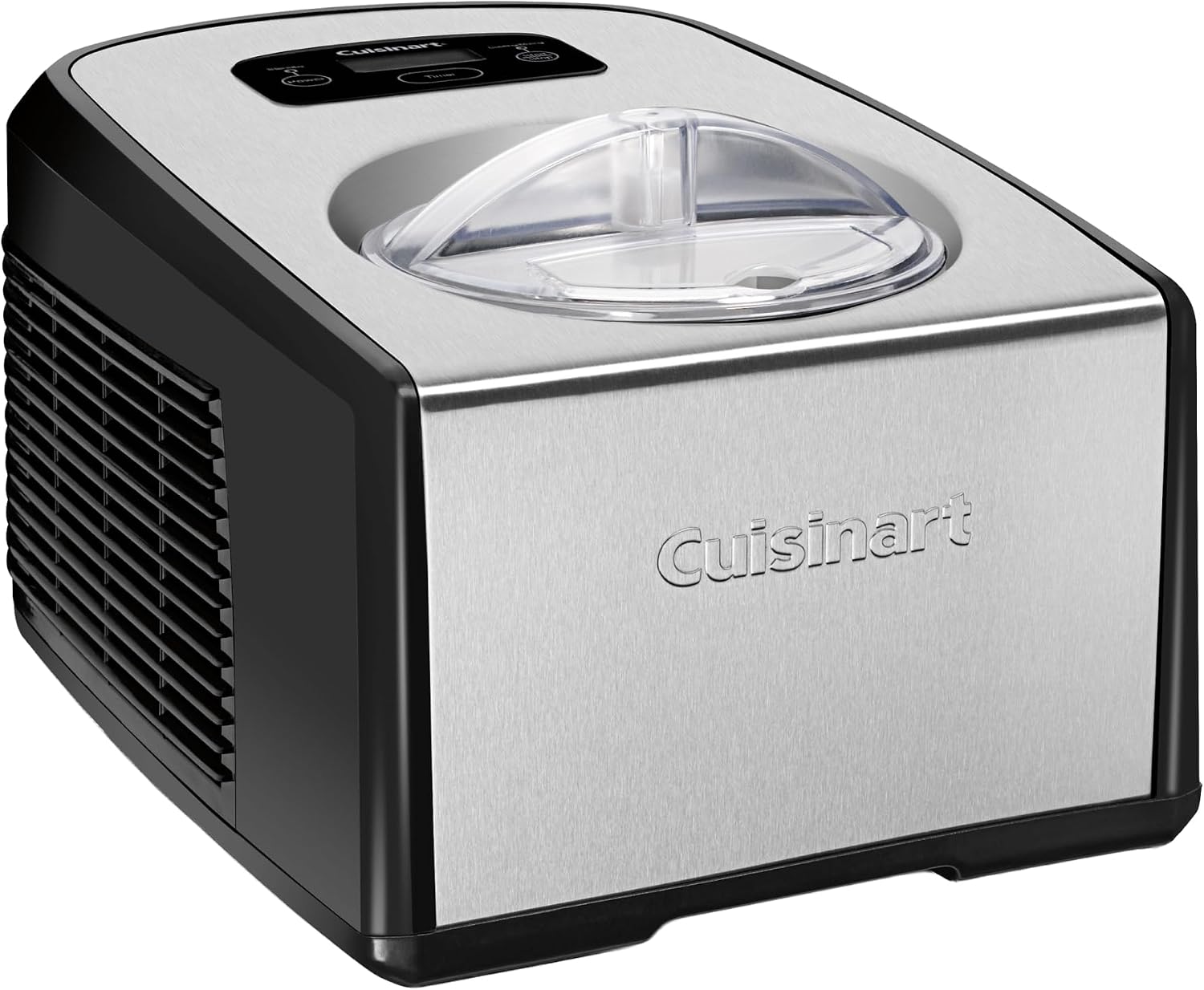
Choosing how your gelato ice cream maker machine chills ingredients is the most important mechanical decision you will make. Compressor models feature built-in refrigeration units that freeze ingredients automatically during the churning process. This design eliminates the need to store bowls in your home freezer beforehand, allowing you to prepare multiple consecutive batches on the same afternoon without frustrating delays.
In contrast, traditional bowl units require you to freeze a double-insulated chamber for twenty-four hours prior to every use. While these models often feature lighter overall builds and lower purchase costs, they demand advance planning. If you enjoy spontaneous dessert preparation, a self-contained compressor system provides significantly greater operational flexibility for your household kitchen environment.
Capacity and Batch Size Considerations
Evaluating the physical capacity of your frozen dessert machine ensures it meets your household serving needs. Compact single-pint options suit individual users who want to experiment with custom flavors and single portions. These smaller chambers take up minimal space on countertops but restrict how much dessert you can produce during a single processing run.
Larger machines offering capacities between 1.5 and 2.1 quarts provide enough finished dessert to satisfy families or dinner party guests. However, these larger units occupy more counter footprint and vertical clearance. Matching your typical serving volume to the correct bowl capacity prevents the need for repetitive back-to-back churning cycles when hosting guests.
Program Settings and Texture Control
Modern frozen dessert appliances incorporate specialized program settings designed to handle distinct recipes accurately. Dedicated gelato programs maintain specific paddle speeds and timing profiles that keep your finished mixtures dense and silky. Standard ice cream settings fold in more air to produce lighter scoopable textures, while sorbet modes optimize fruit purées.
Machines featuring multiple automated programs remove the guesswork from dessert making by adjusting speeds automatically. If you plan to make various frozen treats beyond basic vanilla ice cream, selecting a device with specialized multi-mode presets ensures proper consistency across different dairy and fruit bases without requiring manual speed adjustments.
Paddle Designs and Material Options
The internal paddle design dictates how air integrates into your freezing mixture. Certain appliances include interchangeable paddles tailored specifically for traditional ice cream versus artisanal gelato. This mechanical distinction allows you to switch components depending on whether you want a fluffy, aerated scoop or a heavy, compact gelato texture.
Housing materials also vary widely between brushed stainless steel, heavy-duty plastics, and polished metal finishes. Stainless steel housings offer robust durability and match modern kitchen aesthetics, while plastic elements reduce overall weight. Selecting materials that complement your kitchen decor and cleaning preferences ensures long-term satisfaction with your investment.
Cleanup and Maintenance Requirements
Maintaining your dessert maker properly extends its operational lifespan and keeps food preparation sanitary. Many compressor models and traditional units feature removable stainless bowls and BPA-free plastic blades that require careful hand washing at the sink. Reviewing these care instructions helps you understand the daily effort needed after each dessert session.
Certain modern pint-based systems offer top-rack dishwasher safe components, allowing automated cleaning routines for removable containers, lids, and paddles. If you prefer minimizing manual cleanup tasks, checking whether specific parts tolerate automated dishwashing cycles is a practical step before finalizing your purchase decision for any countertop dessert maker.
Countertop Space and Kitchen Footprint
Countertop space dictates where you can store and operate your dessert appliance comfortably. Upright compressor machines save horizontal counter space by building vertical height, though you must verify that your overhead kitchen cabinets provide adequate clearance. Measuring your available workspace prevents storage conflicts before your machine arrives.
Wider horizontal units require more expansive countertop real estate during operation but often sit lower beneath upper cabinetry. Balancing your available kitchen storage layout against the physical dimensions of the appliance ensures your new gelato and ice cream maker fits seamlessly into your everyday cooking routine without causing clutter.
Frequently asked questions
Do all gelato ice cream maker machines require overnight pre-freezing?
No, machines equipped with self-contained compressors chill ingredients automatically during churning, completely removing the need to freeze bowls beforehand. These compressor models let you make consecutive batches on the same afternoon without waiting. In contrast, traditional freezer bowl units and pint-based processing systems require you to place their bowls or containers inside a conventional household freezer for twenty-four hours before you can begin churning or processing your prepared dessert bases successfully.
What is the difference between an ice cream paddle and a gelato paddle?
The primary mechanical difference lies in how much air the paddle incorporates into the freezing mixture during the churn cycle. Ice cream paddles are engineered to fold air into the base, producing a lighter, fluffier texture suitable for traditional scoops. Gelato paddles operate differently by keeping the mixture much denser and more compact, which yields the silky, smooth consistency characteristic of authentic Italian-style gelato desserts every single time.
Can I make multiple batches back-to-back?
Back-to-back batches depend entirely on the specific mechanical design of the appliance you choose to purchase for your kitchen. Self-contained compressor machines excel at continuous operation because their internal refrigeration units remain cold and ready for subsequent batches immediately after the first finishes. Units relying on pre-frozen bowls cannot process back-to-back batches unless you maintain multiple separate freezer bowls, because a single thawed bowl requires another full twenty-four hours of freezing time before use.
How should I clean my dessert maker after use?
Cleaning requirements vary based on the specific construction and manufacturer guidelines of each appliance model. Many stainless steel compressor units feature removable bowls, lids, and BPA-free blades that require hand washing with warm water and soap at your sink. Conversely, certain modern pint-based systems provide top-rack dishwasher safe containers and paddles, allowing faster automated cleanup routines. Always consult the specific product manual for exact maintenance instructions to protect your machine.
Why is a countdown timer useful on an ice cream maker?
A countdown timer provides precise control over the duration of the churning or processing cycle, ensuring your dessert reaches the desired consistency. Many automated machines feature digital LCD panels that track remaining minutes and trigger audible alerts or auto-shutoff mechanisms when the cycle finishes. This feature allows you to step away and tend to other kitchen tasks without worrying about over-processing your mixture, eliminating guesswork during dessert preparation.