Appliances · Buying Guide
Best Gelato Ice Cream Maker Choices for Homemade Desserts

Making gelato, ice cream, and sorbet at home lets you control every ingredient, from rich dairy bases to dairy-free alternatives. A dedicated gelato ice cream maker takes the guesswork out of freezing and churning, delivering smooth textures without the physical labor of manual stirring. Whether you prefer models with built-in compressors that operate on demand or compact pre-freeze bowl designs suited for smaller spaces, finding the right appliance depends on your kitchen layout and batch size preferences.
Different machines offer distinct advantages, ranging from high-capacity stainless steel housings to versatile multi-program appliances equipped for custom mix-ins. Evaluating features like timer controls, bowl dimensions, and cleaning requirements helps match a dessert maker to your routine. The following selections highlight key options available on the market, detailing their practical capacities and operational mechanisms to guide your purchasing decision.
As an Amazon Associate, StacyLaughs earns from qualifying purchases.
Buying guide
Compressor Versus Pre-Freeze Bowls
Choosing between a built-in compressor and a pre-freeze bowl depends entirely on how frequently you plan to prepare frozen desserts. Compressor models chill the ingredients automatically during the churning process, eliminating any waiting time. This self-contained setup allows you to create multiple batches back-to-back without ever waiting for a separate bowl to freeze overnight.
In contrast, machines featuring traditional pre-freeze bowls require up to twenty-four hours of advance freezer preparation before you can start churning. While these units are often lighter and more compact for kitchen storage, they lack immediate on-demand freezing power. Carefully evaluate your scheduling habits and available freezer room before selecting either dessert machine category.
Capacity and Batch Size Needs
Capacity determines how much gelato, sorbet, or ice cream a machine can successfully produce in a single churning run. Larger two-quart and 2.1-quart models easily serve larger families or social gatherings, providing enough frozen dessert for multiple people at once. These spacious units handle substantial volumes of liquid base without overflowing during expansion.
Smaller pint-sized or single-serve makers cater specifically to individuals or compact households with limited storage space. While these compact appliances limit output to single individual portions, they prevent food waste and fit comfortably inside tight dorm or apartment kitchens. Match the stated bowl capacity directly to your typical serving requirements and household size.
Multi-Program Versatility
Modern frozen dessert makers frequently include multiple pre-set programs designed specifically for distinct treats like gelato, traditional ice cream, fruit sorbet, and milkshakes. These dedicated electronic settings automatically adjust internal paddle speeds, operating time, and processing pressure to match the unique consistency requirements of each individual recipe style without requiring manual user intervention during the cycle.
Utilizing these automated programs takes the guesswork completely out of final texture control, ensuring that delicate fruit purees and rich dairy custards are handled correctly during processing. If you enjoy experimenting with diverse frozen treats beyond standard vanilla, look for machines offering multiple specialized settings rather than relying on a single basic churn speed for every recipe.
Cleaning and Maintenance Requirements
Cleanup after preparing sticky frozen desserts involves managing stubborn sugar residues and dairy remnants left behind on mixing bowls, churn paddles, and protective lids. Removable stainless steel bowls and detachable plastic paddles simplify the washing process significantly. Always check manufacturer care guidelines to see whether specific components require careful hand washing or fully support automated dishwasher cycles.
Exterior surfaces also require regular attention, particularly brushed stainless steel housings or plastic motor bases that benefit from quick wipe-downs using a damp cloth. Selecting a dessert machine with easily accessible parts reduces routine maintenance effort, ensuring your appliance stays clean and hygienic for subsequent sweet treat sessions throughout the year.
Storage and Countertop Footprint
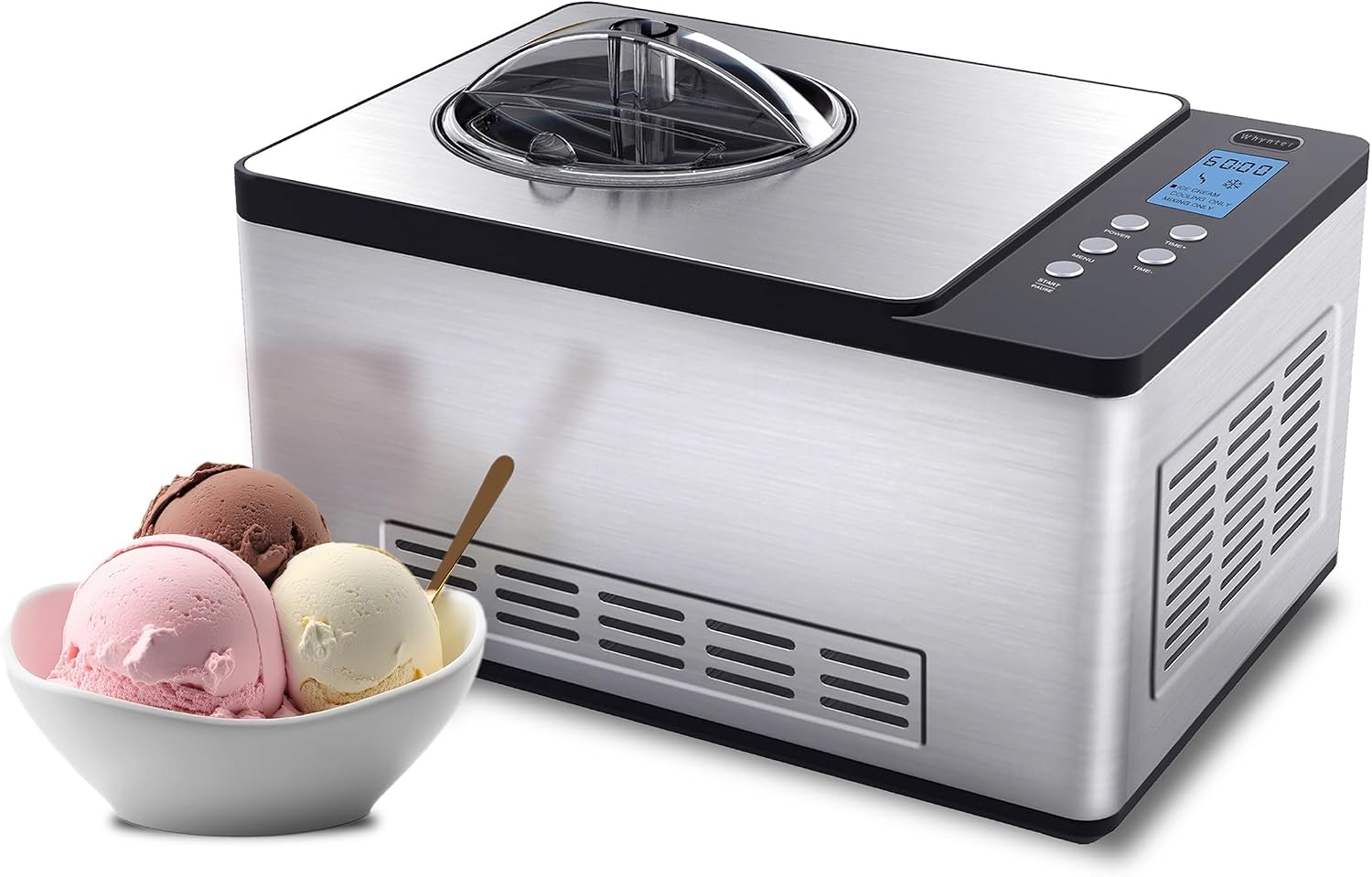
Physical dimensions and overall machine weight dictate precisely where an ice cream maker lives in your kitchen, whether permanently resting on the countertop or stowed inside a cabinet. Self-contained compressor models tend to be heavy and tall, demanding dedicated vertical space and stable surface room during active operation due to their internal cooling motors.
Lighter pint-sized or bowl-based units often feature compact footprints, convenient cord wraps, and stackable lids, making them much easier to tuck away in small apartment cupboards or tight dorm pantries. Assess your available kitchen storage space thoroughly before committing to a bulky appliance that requires permanent counter placement every single day.
Timer and Control Panel Features
Electronic control panels featuring built-in timers simplify the dessert-making process significantly by eliminating the need to watch a kitchen clock manually. Clear LCD screens display remaining running time at a glance, while audible alerts signal precisely when a churning cycle finishes. Some advanced machines even include auto-shutoff functions that stop the internal motor automatically.
These automated convenience features prevent accidental over-churning and let you safely step away to handle other dinner tasks while your sweet dessert prepares itself. Look for clear visual displays and straightforward control buttons that make adjusting run times or selecting specific operational modes entirely intuitive for everyday kitchen use throughout the year.
Frequently asked questions
What is the difference between a compressor ice cream maker and a pre-freeze bowl model?
A compressor ice cream maker features a self-contained cooling system that chills your ingredients automatically as they churn inside the machine. This allows you to make multiple dessert batches back-to-back without any waiting periods. In contrast, models with pre-freeze bowls require you to place the bowl inside a conventional freezer for twenty-four hours before churning can begin. While pre-freeze machines are usually lighter and more compact, they lack the immediate, on-demand operational convenience offered by compressor-driven appliances.
Can I add mix-ins like chocolate chips or cookies while the machine is running?
Yes, several models feature dedicated ingredient funnels, wide spouts, or specific mix-in programs designed for this exact purpose. Machines like the Cuisinart 2-quart and pint models include built-in funnels that let you pour in chocolate chips, chopped nuts, or cookies mid-churn. This ensures that your add-ins distribute evenly throughout the soft-serve or firm gelato without jamming the internal paddle. Always check your specific appliance manual for the recommended timing to add mix-ins during processing.
Do I need to pre-freeze the bowl for every type of ice cream maker?
No, pre-freezing is only required for ice cream makers that utilize a double-insulated freezer bowl design, such as standard bowl models and pint-sized units. These bowls contain liquid coolant between their walls that must freeze solid for twenty-four hours to achieve the low temperatures necessary for churning. Conversely, automatic machines equipped with built-in compressors chill the mixture actively during operation, completely eliminating the need for overnight pre-freezing in your household freezer.
How long does it typically take to churn a batch of gelato or ice cream?
Churning times vary depending on the specific machine model, the temperature of your prepared base, and the dessert style you are making. Many pre-freeze bowl machines complete a standard batch in about twenty to twenty-five minutes. Compressor-driven models also operate relatively quickly, turning liquid ingredients into frozen treats in short succession. Additionally, appliances that process pre-frozen pints using specialized shaving technology can transform a solid base into a creamy dessert in just minutes.
How should I clean and maintain my gelato ice cream maker after use?
Cleaning methods depend on the specific parts included with your chosen machine. Many units feature removable stainless steel bowls, detachable paddles, and lids that can be washed by hand or placed directly in the dishwasher if specified by the manufacturer. Exterior housings, control panels, and motor bases generally require a simple wipe-down with a damp cloth to remove sticky residue. Always follow the manufacturer care guidelines to keep your dessert maker in optimal working condition.