Appliances · Buying Guide
Best Hamilton Beach Induction Cooktop Alternatives for Kitchens
Portable induction cooktops offer a modern alternative to traditional gas and electric ranges, delivering rapid heat directly to compatible cookware through electromagnetic energy. These compact appliances fit easily on crowded kitchen counters, in dorm rooms, or inside RVs, providing an extra burner whenever you need to prepare complex meals or boil water quickly.
Selecting the right countertop burner involves examining wattage levels, temperature settings, physical dimensions, and control interfaces. Whether you want precise Fahrenheit adjustments for delicate sauces or high-power modes for fast boiling, understanding these core specifications helps you match a portable induction cooker to your daily cooking habits and available kitchen space.
As an Amazon Associate, StacyLaughs earns from qualifying purchases.
Buying guide
Power Levels and Wattage Specifications
Evaluating wattage specifications is essential when selecting an induction cooktop for your kitchen or living space. Most standard countertop models operate at 1800 watts, providing rapid boiling capabilities and high heat output comparable to traditional kitchen ranges. Higher wattage ratings generally translate to faster water boiling times and quicker heat recovery when adding cold ingredients to a hot pan.
Some specialized units allow wattage adjustments, letting users drop power consumption down to 900 or 1500 watts. This flexibility proves particularly beneficial in environments with limited electrical capacity, such as recreational vehicles, dormitories, or boats. Reviewing your available electrical circuits ensures the burner operates safely without tripping household breakers during extended cooking sessions at maximum power levels.
Temperature Control Range and Precision
Precise temperature control separates basic electric hot plates from advanced portable induction cooktops. Quality models offer extensive digital temperature settings spanning from low warming thresholds of 100 degrees Fahrenheit up to high searing levels reaching 575 degrees Fahrenheit. Fine-tuning these numerical ranges in small increments allows home cooks to maintain delicate sauces without scorching or achieve a proper dark crust on meats.
Digital interfaces enable users to make adjustments on the fly without interrupting the active heating cycle or resetting timers. Checking the available temperature increments helps determine whether a specific countertop burner suits specialized culinary techniques, delicate simmering, or simple daily meal preparation tasks across varied recipes.
Cookware Compatibility and Magnetic Requirements
Induction cooktops rely entirely on electromagnetic energy to generate heat directly inside compatible cookware rather than heating the glass surface itself. Consequently, pots and pans must feature a flat magnetic bottom layer to interact properly with these appliances. Cast iron, enameled iron, and specialized stainless steel cookware function effectively, while standard aluminum and glass vessels will not heat up unless bonded with a magnetic base.
Many manufacturers include a handy induction test magnet to help buyers verify existing kitchen pots before purchase. Ensuring your cookware collection meets these strict magnetic requirements prevents operational frustration and guarantees successful heating performance during everyday meal preparation routines in your home kitchen.
Dimensions and Countertop Footprint
Physical dimensions dictate how easily a portable induction cooktop fits onto your kitchen counter, storage shelf, or utility cabinet. Most countertop burners measure between eleven and fourteen inches in width, offering a compact single-burner footprint. Evaluating available counter space ensures the unit leaves adequate room for food preparation, ingredient chopping, and safe handling of large heavy hot pots.
Additionally, smaller dimensions make these lightweight appliances highly convenient for travel, fitting easily into RV storage compartments, boat galleys, or packed student dorms. Matching the cooktop physical dimensions to your specific storage limitations keeps your kitchen organized and prevents workspace clutter during busy daily meal preparation routines throughout the year.
Control Interfaces and Digital Displays
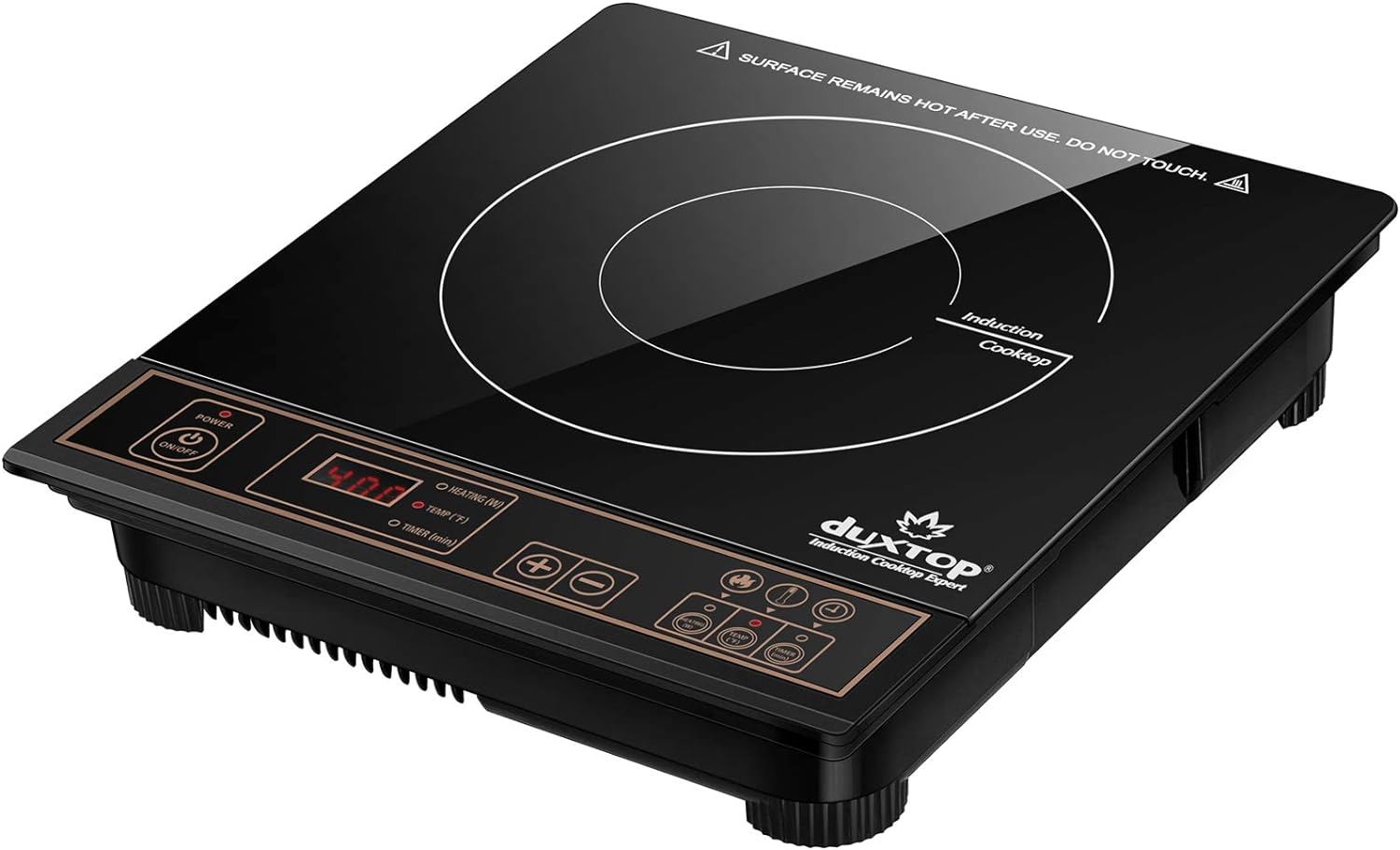
Control interfaces significantly impact how comfortably you operate an induction cooktop during active cooking sessions. Units typically feature either tactile mechanical push buttons or smooth digital touch panels integrated directly into the glass surface. Touch controls provide a sleek modern appearance and clean flat surfaces that wipe down easily after accidental liquid spills occur during heavy boiling tasks.
Digital displays communicate current power levels, set temperatures, and active timer countdowns clearly at a glance. Additional features like integrated child safety locks and dedicated preset buttons enhance overall usability by preventing accidental setting changes while cooking complex family meals or delicate simmering recipes across various dishes.
Safety Features and Automatic Shut-Off
Safety mechanisms are critical considerations when operating high-powered electrical countertop appliances in residential settings. Many induction cooktops incorporate automatic pan detection technology that immediately shuts down the heating elements if no cookware or incorrect cookware is placed on the glass surface. Diagnostic error message systems and low voltage warnings further protect the unit from potential electrical irregularities during active operation.
Child safety locks prevent younger family members from altering active temperature settings or timer durations unexpectedly during use. These integrated safety protocols provide valuable peace of mind during everyday cooking and baking activities in busy household environments where multiple people share kitchen workspace daily throughout the year.
Frequently asked questions
Do all pots and pans work with an induction cooktop?
No, induction cooktops require cookware with magnetic properties to generate heat properly. Pots and pans made from standard glass, pure copper, or unbonded aluminum will not heat up unless they feature an integrated flat magnetic bottom layer. You can easily test your existing cookware collection by placing a small magnet against the base; if it sticks firmly, the pan is ready for use. Manufacturers frequently include a test magnet with induction burners to help users verify compatibility before starting meal preparation tasks.
Why does my induction cooktop make a high-pitched noise?
The high-pitched sound sometimes heard during cooking is not coming from the internal components of the induction cooktop itself, but rather from your cookware. Clad cookware constructed with multiple layers of metals sandwiched together can vibrate audibly at high frequencies when subjected to intense electromagnetic fields. This phenomenon is completely normal and varies depending on the specific metal composition and thickness of the pot or pan base you select for your cooking recipe.
How do I clean my induction glass cooktop safely?
Cleaning an induction glass cooktop is straightforward because the surface surrounding the heating element does not get hot enough to bake on spilled food permanently. Always allow the induction cooker to cool down completely before attempting any cleaning maintenance. Wipe the ceramic glass surface using a soft damp cloth or sponge with mild dish soap, avoiding harsh abrasive scouring pads that might scratch the exterior finish during routine upkeep routines.
Can I use an induction cooktop in an RV or dorm room?
Portable induction cooktops perform exceptionally well in recreational vehicles, college dormitories, boat galleys, and small apartments because of their lightweight and compact physical designs. Many models operate efficiently on standard household electrical outlets. Some advanced units even feature adjustable wattage settings, allowing users to lower power consumption to prevent tripping electrical breakers when operating in environments with limited power capacity during daily cooking tasks and meal preparation.
What is the purpose of the automatic shut-off feature?
The automatic shut-off feature is a vital safety mechanism designed to turn off the heating elements if no compatible cookware is detected on the glass surface after a specified short period, typically around sixty seconds. This prevents the unit from consuming electrical energy unnecessarily or remaining active if a pot is accidentally removed during cooking. Additionally, it helps protect the appliance from overheating and provides greater peace of mind for busy home cooks.