Appliances · Buying Guide
Best Hamilton Beach Panini Press 25460a Options for Quick Countertop Meals
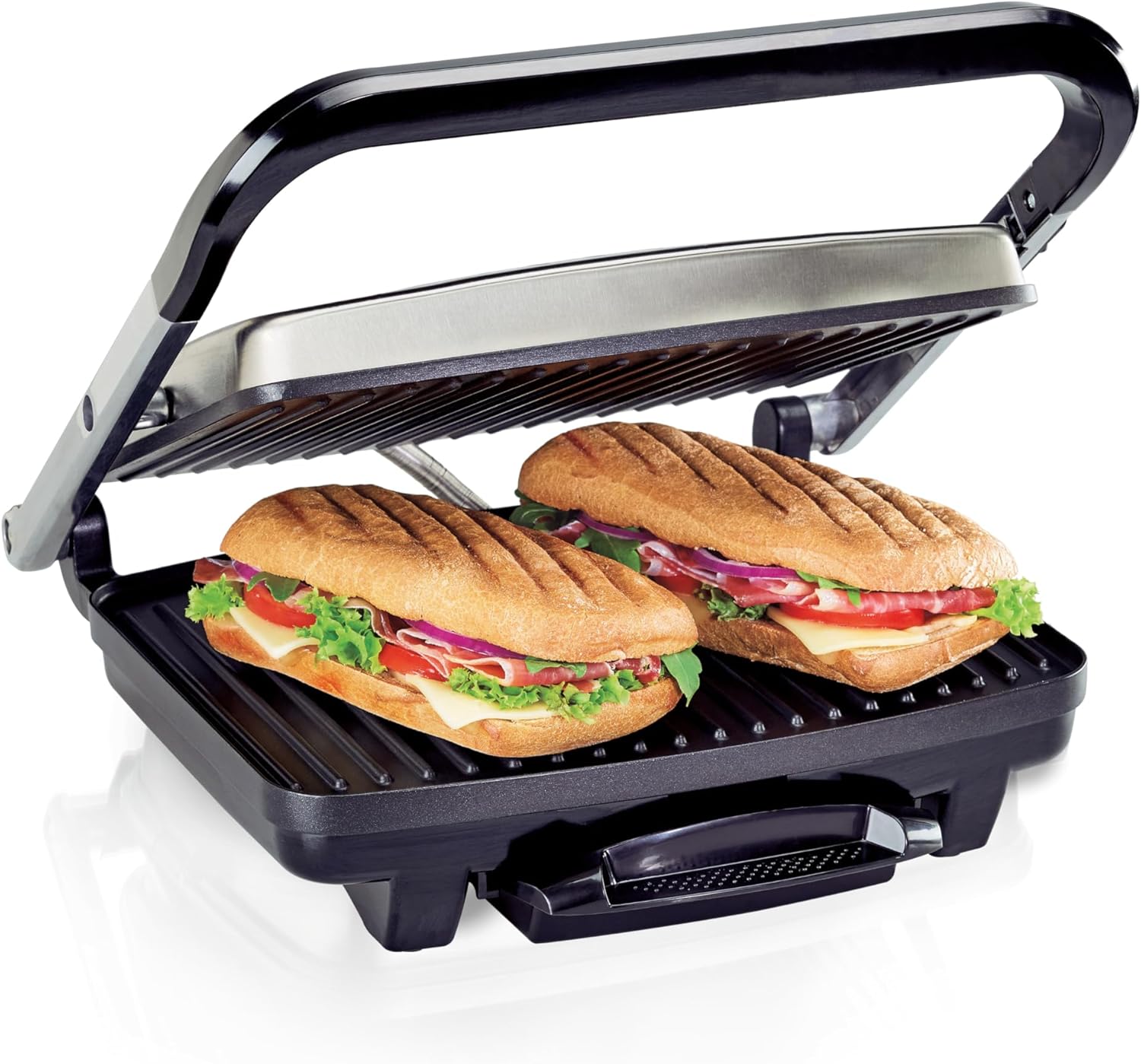
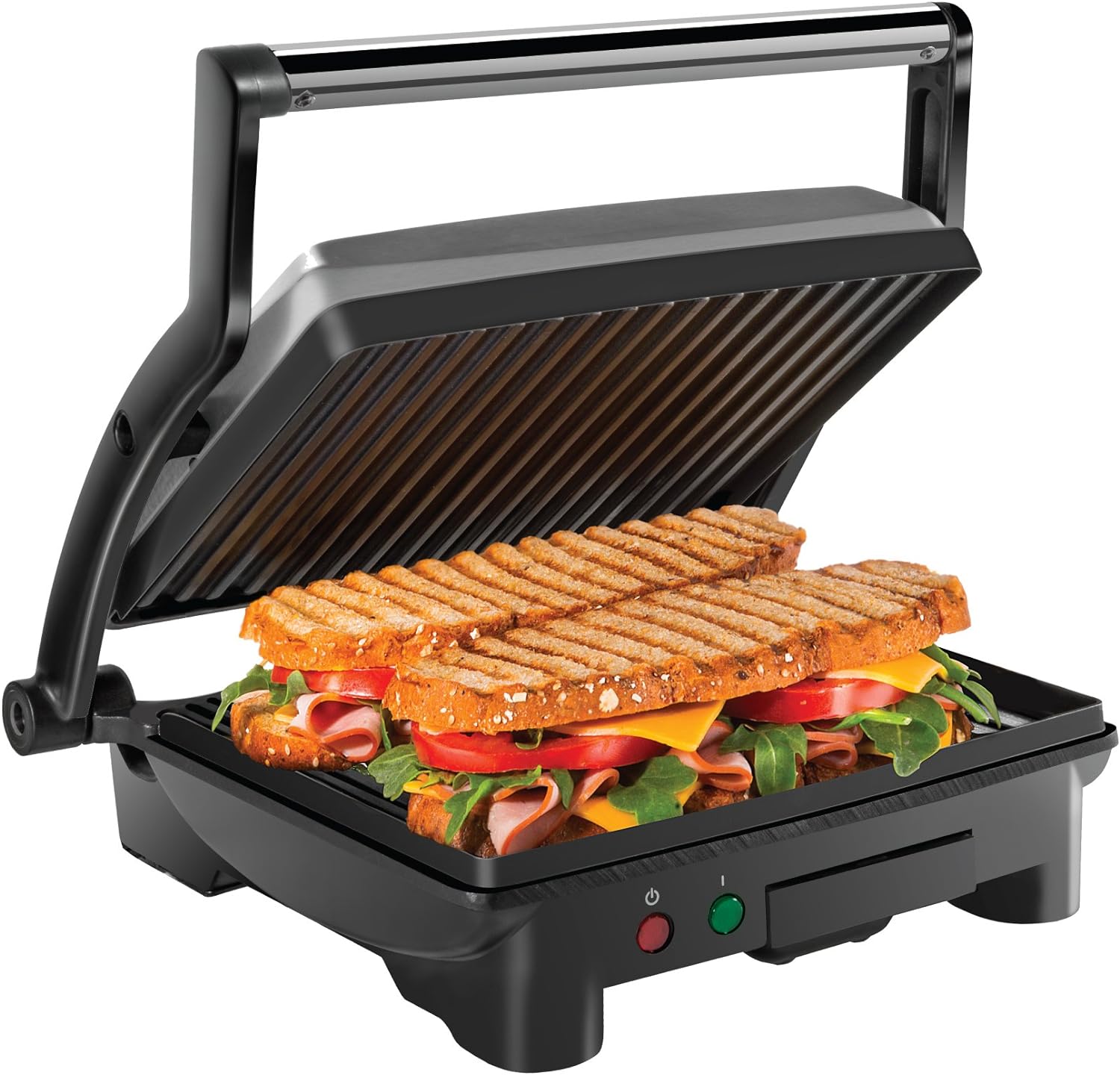
Countertop cooking appliances transform how busy households prepare warm lunches, melted paninis, and grilled entrees without dragging out heavy cookware. Selecting the right press involves balancing plate dimensions, wattage ratings, and storage convenience to match everyday meal routines and kitchen space limitations.
Whether preparing thick stacked sub sandwiches, pressed quesadillas, or open-face melted cheeses, modern electric presses offer specialized floating hinges and durable nonstick surfaces. Understanding these physical attributes helps shoppers identify a suitable appliance for quick kitchen preparation and straightforward daily cleanup tasks.
As an Amazon Associate, StacyLaughs earns from qualifying purchases.
Buying guide
Plate Dimensions and Capacity
Choosing the right plate dimensions ensures your press handles your typical portion sizes without overcrowding. Compact models suit single sandwiches, while larger units accommodate multiple items simultaneously.
Evaluating cooking surface measurements helps prevent meal bottlenecks during busy lunch preparation routines. Match your household sandwich volume to the available square inch rating for optimal efficiency.
Wattage and Heating Performance
Higher wattage ratings generally correlate with faster preheating times and more consistent cooking power under heavy loads. Models ranging from 1000 to 1500 watts deliver distinct thermal speeds.
Assessing electrical specifications prevents unexpected delays when grilling dense meats or thick artisan breads. Balance your kitchen circuit capacity against the heating demands of high-wattage appliances.
Hinge Mechanisms and Food Thickness
Floating hinges automatically adjust to accommodate varying sandwich heights without crushing delicate ingredients or unevenly toasting outer crusts. This mechanical flexibility proves essential for stuffed paninis.
Some units also feature 180-degree opening capabilities, converting closed presses into flat grills for burgers and vegetables. Selecting the right hinge mechanism expands your daily meal options.
Cleanup and Surface Materials
Nonstick ceramic surfaces simplify post-meal cleanup by preventing melted cheese and bread crumbs from baking onto hot plates. PFAS-free coatings offer peace of mind.
Removable plates and dishwasher-safe components further reduce maintenance efforts compared to fixed-plate designs. Prioritize easy-release coatings if you plan to use the press daily.
Storage Footprint and Portability
Countertop space is often limited, making upright storage latches and compact physical dimensions valuable purchasing considerations. A secure locking lid prevents accidental opening.
Consider overall weight if you intend to store the appliance inside deep cabinets or transport it frequently. Smaller footprints fit tight pantries effortlessly.
Grease Management Systems
Efficient grease management channels excess fats away from cooking surfaces during high-heat grilling sessions. Integrated slope designs keep food from sitting in oil.
Slide-out drip trays capture runoff effectively and eliminate messy countertop cleanup tasks after cooking burgers or chicken. Look for dishwasher-safe collection trays.
Frequently asked questions
How long should I preheat an electric panini press before cooking?
Proper preheating ensures your sandwiches achieve even browning and proper cheese melting without sticking to the hot plates. Most countertop presses require between five and ten minutes of preheating time, typically indicated by built-in green ready lights. Turning on the appliance before assembling your sandwich allows the ceramic surfaces to reach optimal cooking temperatures. Skipping this crucial preheating step frequently leads to uneven heating, extended cooking durations, and undesirable texture results on your bread.
Can I use a panini press to cook raw meats like chicken and burgers?
Many electric presses double as indoor grills, making them suitable for cooking raw meats, vegetables, and fish. Units featuring sloped surfaces and slide-out drip trays effectively channel away rendered fat during cooking. However, you must ensure your food thickness matches the floating hinge clearance to prevent uneven searing. Always verify internal temperatures with a food thermometer after grilling meats to guarantee safe consumption before serving your meal.
What is the best way to clean nonstick grill plates without damaging them?
Cleaning nonstick plates requires patience and gentle care to preserve the protective coating over time. Always allow the appliance to cool completely before attempting to wipe the surfaces down with a damp, soft cloth or non-abrasive sponge. Avoid metal utensils or harsh scouring pads that can scratch delicate ceramic nonstick layers. If your specific model includes removable dishwasher-safe plates, detach them carefully and place them on the dishwasher rack for effortless maintenance routines.
Why do some panini presses feature floating hinges?
Floating hinges are engineered to adjust automatically to the height of your food, keeping the upper plate parallel to the lower surface. This mechanical design prevents thick sandwiches, subs, and quesadillas from being crushed on one side while remaining undercooked on the other. Without a floating hinge, stacked ingredients slide out the back of the press during closure. This feature ensures uniform pressure distribution across diverse bread thicknesses for consistent cooking results every time.
How do I store a bulky countertop panini press safely?
Storing your appliance safely depends on utilizing built-in features like lid latches and upright storage locks. Many modern presses lock shut securely, allowing you to store them vertically inside kitchen cabinets or pantry shelves to save counter space. Always wrap the power cord loosely and ensure the unit is entirely cool before stowing it away. Checking dimensions beforehand guarantees the press fits comfortably within your designated storage space without damaging handles.