Appliances · Buying Guide
Best Hand Churn Ice Cream Maker Choices for Traditional Frozen Treats
Making frozen desserts at home offers a uniquely rewarding way to experiment with fresh ingredients, custom flavor combinations, and rich textures. Traditional ice cream makers bring a wonderful nostalgic charm to family gatherings, summer pool days, and backyard barbecues while producing deliciously creamy results for everyone to share together during warm weather celebrations.
Selecting the right machine involves carefully weighing traditional manual hand-crank models against motorized units that cleverly blend classic wooden aesthetics with modern electrical convenience. Understanding bucket capacities, internal gear materials, and dual operation modes helps home cooks find a dependable appliance that matches their specific entertaining style, group size, and everyday dessert preferences for any occasion.
As an Amazon Associate, StacyLaughs earns from qualifying purchases.
Buying guide
Capacity and Batch Sizing
Choosing the correct capacity for your frozen dessert maker depends heavily on how many people you typically serve during gatherings. Smaller four-quart models provide an ideal amount of ice cream for immediate family movie nights, casual backyard snacks, and modest weekend parties. These compact units chill quickly and fit easily inside standard home freezers for chilling canisters beforehand.
Larger six-quart or eight-quart alternatives cater to bigger crowds, community events, and large extended families who demand higher output volumes. While these bigger machines satisfy large groups effortlessly, they require significantly more ice, rock salt, and storage space in your kitchen cabinets. Matching the capacity to your typical gathering size ensures you avoid excess leftovers or running short of dessert.
Operation Modes and Motorized Assistance
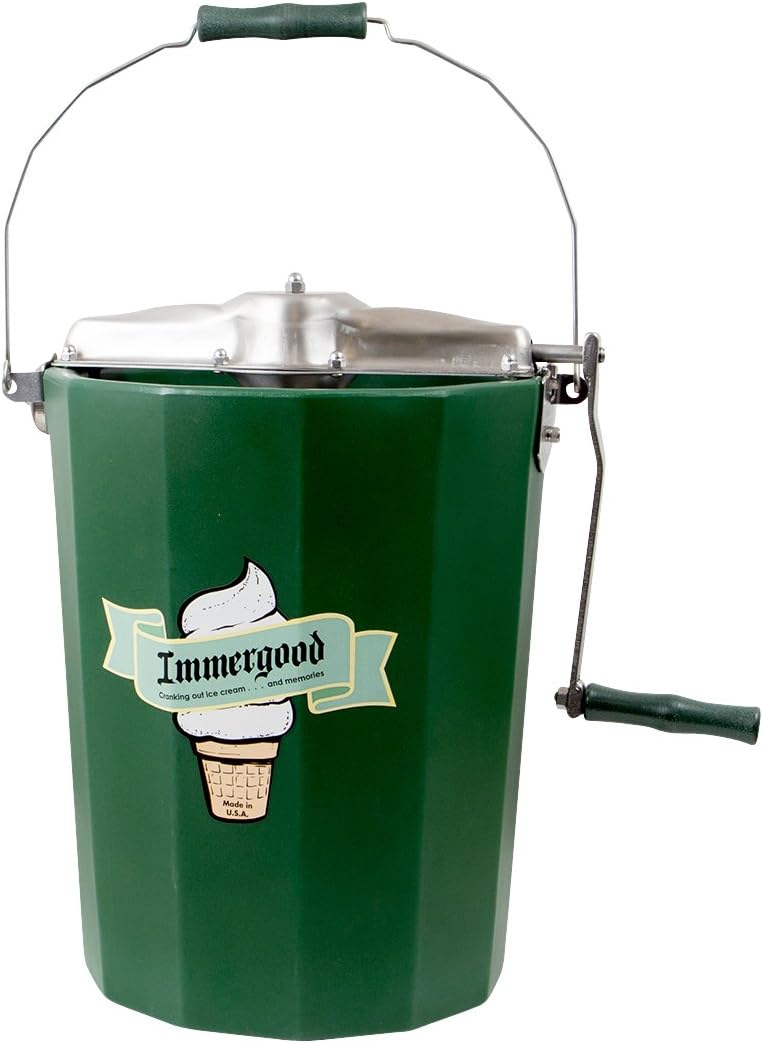
Operating modes dictate how much physical effort is required to churn your homemade ice cream mixture into a smooth frozen consistency. Manual hand-crank machines provide an authentic, traditional experience that lets you take the equipment anywhere without needing electricity. These units rely entirely on your physical energy to turn the internal dasher and rotate the canister through the salted ice bath.
Motorized or dual-mode appliances introduce electrical attachments that handle the heavy churning work automatically, saving considerable time and arm fatigue. Some versatile models even let you switch between an electric motor for effortless spinning and a manual hand crank for firmer textures. Evaluating your physical preferences helps determine whether a fully manual or motorized machine fits your lifestyle.
Materials and Build Durability
The materials used in constructing an ice cream maker heavily influence its longevity, maintenance requirements, and overall resistance to rust. Premium stainless steel components and hardware offer exceptional rust-proof durability that withstands exposure to moisture and salty ice baths over many years. Such heavy-duty metals are built to endure frequent use without degrading.
Other traditional machines incorporate solid pine wood buckets, aluminum canisters, and high-impact plastic parts to recreate a classic aesthetic look. While aluminum canisters transfer cold temperatures efficiently for quick freezing, wood buckets require proper drying to prevent weathering. Examining material construction helps buyers select appliances capable of lasting through generations of family summer traditions.
Churning Mechanics and Internal Design
Internal churning mechanisms play a vital role in determining the smoothness and overall texture of your finished frozen desserts. Standard dashers rotate simply inside the canister, scraping the sides as the outer shell turns against the salted ice mixture. This basic action successfully freezes standard ice cream, sorbet, and frozen yogurt recipes for everyday enjoyment.
Advanced triple-action designs utilize specialized gear systems where the outer canister rotates in one direction while internal dashers spin contrarily to constantly fold the mixture. This continuous folding action incorporates fewer ice crystals into the dessert, yielding a superior velvety texture every single time. Selecting a machine with thoughtful internal mechanics ensures professional-quality results right at home.
Tub Insulation and Leak Prevention
Tub construction directly impacts how well a machine maintains low internal temperatures and prevents messy water leaks during the freezing process. Traditional wooden buckets often drain melted ice water through natural seams, requiring outdoor placement or placement on moisture-resistant surfaces during operation. These classic buckets create the authentic old-fashioned atmosphere many users love.
Modern insulated poly tubs feature multi-layer seamless designs that eliminate leaks completely while retaining cold temperatures so effectively that leftover treats stay frozen for hours. This high-efficiency insulation reduces the need to constantly replenish melting ice during extended churning cycles. Choosing between a traditional weeping wooden bucket and a leak-free insulated tub depends on your desired cleanup convenience.
Maintenance and Cleaning Requirements
Proper cleaning routines keep your ice cream maker hygienic and ready for the next dessert-making occasion following family events. Most aluminum canisters and plastic paddles require simple hand washing with warm soapy water to eliminate residual dairy fats and sugars. Quick rinsing of the outer bucket removes leftover rock salt deposits.
Certain models feature dishwasher-safe internal parts or specialized bushings that do not require messy lubricating grease for ongoing mechanical maintenance over the years. Reviewing manufacturer care instructions ensures you preserve rust-proof hardware and protective coatings over years of consistent service. Establishing a straightforward post-dessert cleanup routine protects your kitchen investment and guarantees effortless operation for future batches.
Frequently asked questions
How do I choose between a manual hand-crank and an electric ice cream maker?
Choosing between a manual hand-crank and an electric model depends on your intended use and physical preferences. Manual crank machines offer complete portability, making them ideal for camping trips, backwoods picnics, and off-grid gatherings where electricity is completely unavailable. They also deliver a traditional, engaging group experience. Conversely, electric models eliminate physical arm fatigue by powering the churning process automatically, making them better suited for indoor kitchens, parties, and users who want quick, effortless dessert preparation without manual labor.
Can I make frozen treats other than traditional ice cream in these machines?
Yes, these versatile dessert makers can prepare a wide variety of frozen treats beyond classic vanilla ice cream. You can easily whip up rich gelatos, smooth soft-serve desserts, refreshing fruit sorbets, and creamy frozen yogurts by simply changing your liquid ingredient recipes before pouring them into the canister. The freezing and churning mechanism works similarly across different dessert bases, allowing you to experiment with custom flavors, mix-ins, and dietary preferences right in your own kitchen.
What role do ice and rock salt play in the freezing process?
Ice and rock salt work together to create an extremely cold environment that freezes the liquid ingredients inside the central metal canister. Regular ice alone melts around freezing point, but adding rock salt lowers the freezing point of the melting ice water, causing it to drop well below thirty-two degrees Fahrenheit. This super-chilled brine surrounds the aluminum or stainless steel canister, rapidly drawing heat away from your dessert mixture and causing it to solidify into creamy ice cream during churning.
How should I clean and maintain my ice cream maker after use?
Cleaning your ice cream maker properly requires following manufacturer guidelines to protect delicate components and specialized hardware. You should wash internal canisters, paddles, and lids with warm soapy water to remove sticky dairy residues. For wooden or insulated tubs, rinse thoroughly to eliminate corrosive rock salt deposits that could cause premature wear. If your unit features stainless steel parts or specialized non-grease bushings, keeping them dry during storage will ensure long-lasting, trouble-free mechanical performance for future dessert sessions.
Do larger capacity ice cream makers take longer to freeze the mixture?
Larger capacity machines holding six or eight quarts require more ingredient volume, which naturally demands a bit more time and thermal energy exchange to freeze completely compared to smaller four-quart units. The larger volume of liquid takes longer for the surrounding ice and salt brine to chill thoroughly. Additionally, manual cranking or motorized turning takes sustained effort across these bigger batches to ensure the entire mixture reaches an even, smooth consistency throughout the entire freezing cycle.