Appliances · Buying Guide
Best Hand Crank Popcorn Maker for Movie Nights at Home
Making fresh snacks at home is exceptionally simple when using a reliable hand crank popcorn maker designed for stovetop cooking. These traditional pots bring theater-style results straight to your kitchen counter, letting you control every single kernel popped for family gatherings, weekend parties, and casual movie nights without any operational hassle.
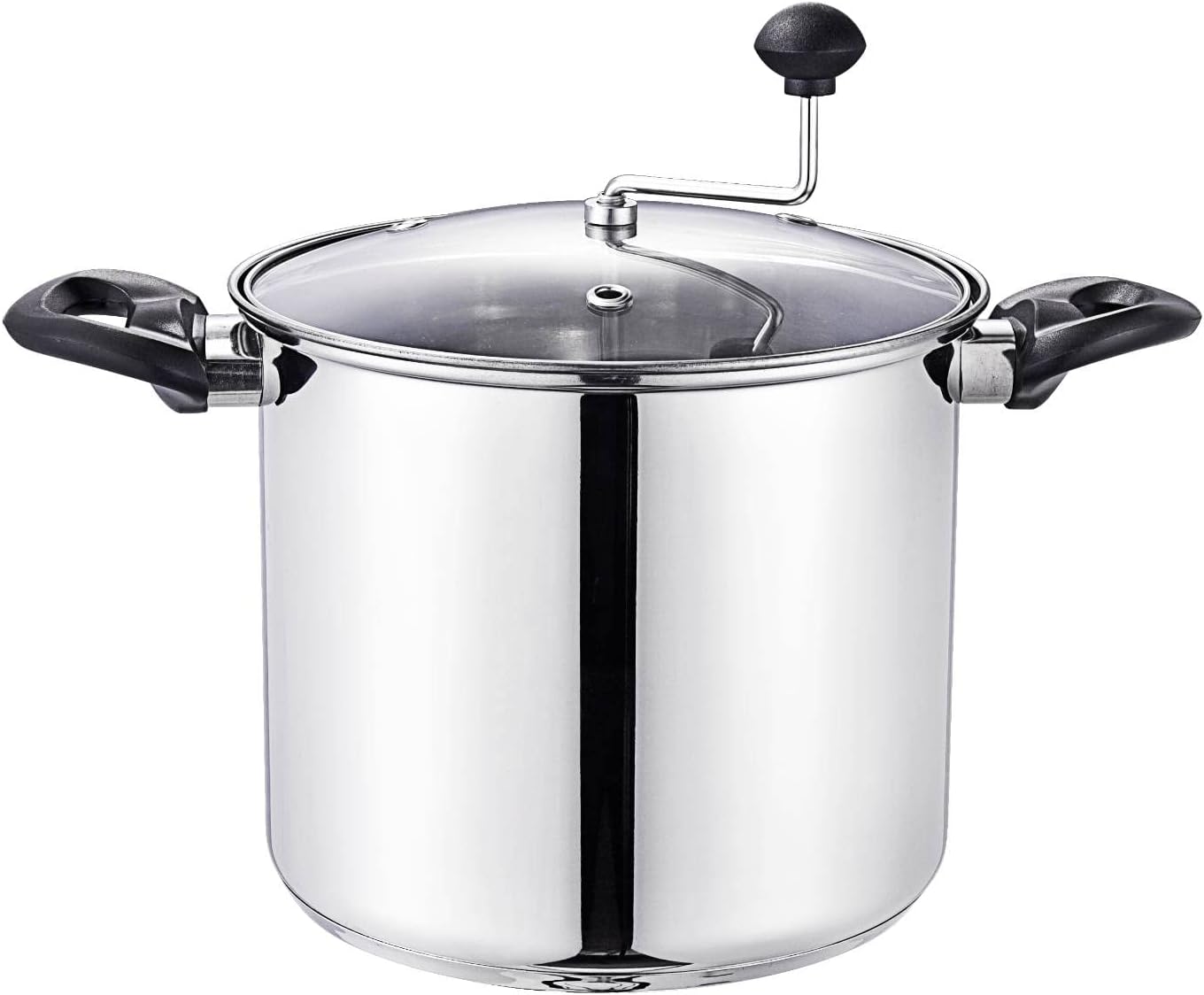
Selecting the right popper depends closely on your specific cooktop type, preferred pot material, and everyday cleaning routine. Modern options feature built-in stirring mechanisms and stay-cool wooden handles to prevent scorching, offering a dependable way to enjoy warm, crunchy treats without complicated electrical appliances or bulky kitchen gadgets standing in your way during use.
As an Amazon Associate, StacyLaughs earns from qualifying purchases.
Buying guide
Cooktop Compatibility
Checking your kitchen range type is essential before purchasing any hand crank popcorn maker. Many traditional aluminum and stainless steel models require gas or electric coil burners to function properly. If your kitchen relies on modern glass-ceramic induction cooktops, standard aluminum pots will not heat up. Always review manufacturer specifications regarding stove compatibility to ensure the pot works seamlessly with your specific kitchen setup without heating issues.
Selecting a compatible model prevents frustration and ensures safe, efficient cooking performance during family movie nights. Induction-ready stainless steel poppers offer broader versatility for modern kitchens, while traditional gas-compatible pots remain popular for their lightweight heating properties. Matching your appliance hardware to the correct cookware design guarantees reliable snack preparation every single time you want fresh popcorn at home.
Pot Capacity and Batch Size
Choosing the correct pot capacity depends entirely on how many people you plan to serve during gatherings. Standard stovetop poppers typically range from around 4.76 quarts to 6.5 quarts in total volume. A larger six-quart pot easily handles enough kernels to feed a hungry group of friends or family members during weekend movie marathons. Smaller options suit compact households or limited storage spaces effectively.
Keep in mind that rated capacity refers to the pot volume rather than the final popped popcorn yield. Unpopped kernels expand significantly once heated, filling large bowls quickly. Assess your typical serving needs to determine whether a standard six-quart model or a slightly smaller multipurpose kettle fits your lifestyle best, avoiding oversized cookware if storage space inside your kitchen cabinets is strictly limited.
Material Construction
The choice between aluminum and stainless steel impacts how heat transfers through your popcorn maker. Aluminum pots distribute heat quickly and evenly across the base, making them responsive on traditional stovetops. Stainless steel alternatives offer enhanced durability and often provide compatibility with induction ranges, though they require careful temperature monitoring to prevent scorching during use.
Evaluating your cooking habits helps determine the ideal material for your kitchen environment. If you prioritize rapid thermal response on a gas range, lightweight aluminum models perform exceptionally well. For induction cooktops or long-term rust resistance, robust stainless steel construction is a practical choice. Balancing durability against thermal conductivity ensures your new popcorn maker meets your everyday culinary expectations.
Stirring Mechanisms and Gears
A built-in stirring mechanism is the defining feature of any manual crank popcorn maker. Internal paddles sweep the bottom of the pot continuously, keeping kernels in constant motion to prevent burning or sticking. Look for durable metal gears that translate handle rotations smoothly into paddle movement without slipping or binding during vigorous popping sessions.
Reliable gear construction ensures that you can turn the handle effortlessly while the kernels transform. Without an active stirring paddle, popcorn sitting directly over high heat scorching points would quickly ruin the batch. Selecting a popper with robust internal mechanics guarantees consistent performance, allowing you to enjoy fluffy, evenly popped snacks without constantly worrying about scorched pieces ruining your snack.
Lid Design and Steam Release
Managing moisture is crucial for achieving that authentic, crunchy theater-style texture in your homemade popcorn. Lids equipped with built-in ventilation holes or moisture-release slots allow excess steam to escape during the popping process. Preventing trapped condensation stops the popcorn from turning chewy or soggy, maintaining a light consistency throughout your bowl.
Additionally, well-designed lids feature easy-pour edges that help transfer finished snacks into serving containers cleanly. A secure fitting lid also keeps popping oil and kernels contained inside the pot, reducing messy counter spills during operation. Prioritizing these thoughtful lid features enhances overall usability, making the entire snack-making experience much cleaner and more enjoyable for everyone involved.
Cleaning and Maintenance
Maintaining a stovetop popcorn maker depends heavily on the manufacturer cleaning guidelines for each specific pot. Many aluminum and stainless steel models advise against traditional soap and water immersion, recommending a simple paper towel wipe down instead to preserve nonstick qualities. Other stainless steel options feature dishwasher-safe construction for effortless cleanup after cooking.
Reviewing upkeep instructions before buying ensures your cleaning routine aligns with your personal preferences. If you prefer tossing cookware into the dishwasher, select a model explicitly rated for machine washing. For traditional pots requiring manual wiping, following the manufacturer guidance protects the metal surfaces and extends the operational lifespan of your hand crank popcorn maker over years of use.
Frequently asked questions
Can I use any hand crank popcorn maker on an induction stove?
No, not all manual popcorn makers work on induction cooktops. While specific stainless steel models are engineered with induction-compatible bases, many traditional aluminum poppers lack this capability. Attempting to use a non-induction pot on an induction range will result in the burner failing to heat the cookware. Always check the product specifications and manufacturer guidelines carefully to verify cooktop compatibility before making your final purchasing decision, ensuring your new popcorn maker functions correctly on your specific kitchen range.
Do I need to use soap and water to clean these popcorn pots?
Cleaning requirements vary depending on the specific model and materials used by the manufacturer. Several traditional aluminum and stainless steel poppers explicitly advise against using soap and water, recommending that you simply wipe the interior clean with a dry or slightly damp paper towel after each use. Conversely, other stainless steel options feature dishwasher-safe designs for more thorough washing. Always follow the manufacturer instructions provided with your particular popcorn maker to maintain its condition properly.
How do the built-in stirring mechanisms prevent burnt popcorn?
The built-in stirring mechanism features an internal paddle or rod connected to external metal gears and a hand crank. As you turn the handle during the popping process, the paddle sweeps continuously across the bottom of the pot. This constant motion ensures that individual kernels do not rest in one hot spot long enough to scorch or burn. By keeping every single kernel evenly distributed and moving, the mechanism promotes consistent popping results throughout the entire batch.
Why does the lid have vented holes or steam slots?
Vented lids and oversized steam holes play a vital role in controlling moisture levels inside the popcorn pot during heating. As kernels pop, they release steam and humidity. If this moisture remains trapped under a sealed lid, it condenses and makes the popcorn chewy or soggy. Ventilation slots allow excess steam to escape freely into the air, helping preserve that desirable crunchy texture and delicious flavor you expect from fresh movie theater-style snacks.
Can I use these stovetop poppers for cooking other foods?
Certain stovetop poppers are versatile enough to double as regular cooking pots for other recipes. While traditional popcorn makers focus primarily on popping corn with their internal stirring paddles, select stainless steel models are specifically designed to accommodate everyday cooking tasks like preparing soups, stews, or boiled potatoes. Reviewing the manufacturer feature list helps determine if your chosen popcorn pot offers dual-purpose utility in the kitchen beyond just making snacks for family movie nights.