Appliances · Buying Guide
Best Hand Ice Cream Maker Choices for Traditional Homemade Treats
Making frozen desserts at home offers a fun way to experiment with flavors and share homemade treats during family gatherings, outdoor barbecues, or neighborhood events. Traditional-style machines bring a classic aesthetic to your kitchen counter or backyard picnic table, combining nostalgic wooden buckets or durable metal builds with modern churning mechanisms designed for ease of use.
Whether you prefer a completely manual hand-crank operation for outdoor portability or the steady convenience of a motorized attachment, these units accommodate various batch sizes to suit different gatherings. Evaluating the physical dimensions, materials, and power methods helps you choose a suitable machine for crafting ice cream, sorbet, gelato, or frozen yogurt right at home.
As an Amazon Associate, StacyLaughs earns from qualifying purchases.
Buying guide
Bucket Capacity and Batch Size
Selecting the correct bucket capacity ensures you can produce enough frozen dessert for your household or invited guests without needing to run multiple consecutive batches. Smaller four-quart options work exceptionally well for family movie nights, weekend treats, or modest backyard barbecues. In contrast, larger six-quart models easily accommodate big neighborhood events, summer pool parties, and family reunions where generous dessert portions are expected by everyone in attendance.
However, stepping up to a higher capacity unit also increases the overall physical weight and cabinet storage requirements significantly. You should carefully evaluate your typical serving needs alongside your available kitchen storage space and lifting comfort before committing to a specific machine size for your home.
Operation Modes and Power Sources
The choice between manual hand cranking and automated electric operation significantly shapes your entire dessert-making experience from start to finish. Electric motors provide effortless churning, allowing you to simply plug in the device and let internal mechanisms handle the continuous stirring process. This frees you up to socialize with guests or prepare other meal courses without physical fatigue.
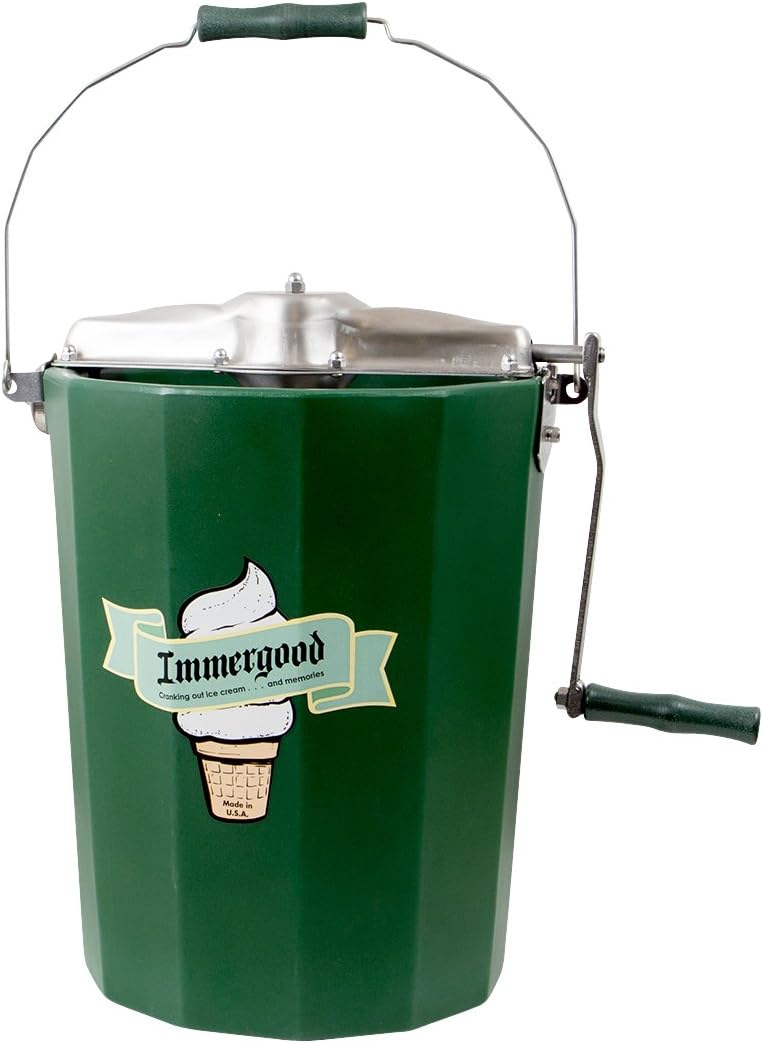
Manual hand-crank models offer complete outdoor portability because they require no electrical outlets, making them ideal for backwoods picnics, remote camping trips, or traditional family gatherings. Some hybrid units even provide dual functionality, letting you start with motorized assistance and finish with a manual crank for firmer texture.
Materials and Construction Durability
Exterior and interior materials dictate both the aesthetic charm and the long-term durability of your ice cream maker. Traditional wooden buckets, crafted from solid pine or similar woods, deliver a nostalgic vintage appearance that often doubles as charming rustic kitchen decor during off-seasons. Aluminum canisters housed inside these wooden buckets offer reliable thermal conductivity for freezing sweet liquid bases into creamy desserts quickly.
Alternatively, advanced stainless steel hardware and heavy-duty poly tubs provide rust-resistant longevity and reliable leak prevention for frequent users. Evaluating how each material withstands moisture exposure, rock salt contact, and routine hand washing helps protect your purchasing investment over many years of sweet summer family traditions.
Cleaning and Maintenance Requirements
Proper cleanup routines prevent sticky residue buildup and preserve sensitive mechanical components after every dessert-making session. Many aluminum canisters feature smooth inner surfaces that allow you to wipe away leftover cream messes quickly, and select models even include dishwasher-safe parts for added post-dessert convenience. Rinsing wooden tubs free of rock salt immediately after use is also essential.
However, traditional wooden buckets and exposed metal hardware require careful hand drying and gentle rinsing to prevent salt corrosion or wood splitting over time. Following specific manufacturer care guidelines ensures your appliance remains completely hygienic, structurally sound, and ready for the next frozen treat gathering or neighborhood party.
Portability and Transport Features
If you plan to make homemade ice cream away from your own kitchen counter, evaluating the portability features of your chosen machine becomes essential. Models featuring sturdy built-in carrying handles attached directly to the wooden or plastic bucket greatly simplify moving heavy loads across backyards, to neighbor houses, or into vehicles for weekend road trips and family picnics.
Weight also plays a major role in how easily you can transport the appliance safely. Lighter four-quart variants or compact plastic-built units are generally much simpler to carry than heavy six-quart machines, especially when the tub is fully packed with ice cubes and rock salt required for the freezing process.
Consistency and Churning Mechanisms
The internal churning mechanism directly influences the overall smoothness, density, and texture of your final frozen dessert product. Advanced triple-action dashers rotate multiple internal parts simultaneously, creating continuous folding motions that minimize ice crystal formation and produce exceptionally creamy ice cream without requiring excessive manual effort from the user during long churning cycles.
Standard single-action paddles rely on simpler rotation paths, which still yield delicious results when combined with proper ice-to-salt ratios and sufficient freezing times. Assessing how the mixing paddle and internal canister interact helps you set realistic textural expectations for your homemade gelato, sorbet, or classic ice cream treats during family dessert nights throughout the warm summer season.
Frequently asked questions
How do I use rock salt and ice with these ice cream makers?
When preparing your ice cream maker, you layer crushed ice and rock salt around the outside of the inner aluminum or stainless steel canister. The rock salt lowers the freezing point of the ice, creating an ultra-cold brine bath that rapidly chills and freezes the liquid ingredients churning inside. It is important to alternate layers of ice and salt systematically until the tub reaches the proper fill level. After the churning process finishes, remember to rinse the exterior tub thoroughly to remove leftover salt residue and prevent corrosion or damage to the materials.
Can I make frozen yogurt and sorbet in these machines?
Yes, these versatile machines are designed to freeze much more than traditional dairy-based ice cream. You can easily use them to prepare refreshing fruit sorbets, creamy gelatos, and chilled frozen yogurts by simply pouring your prepared liquid ingredient mixtures into the canister. The internal paddle or dasher stirs the mixture continuously while the surrounding ice and salt freeze the dessert to a smooth consistency. This flexibility allows you to experiment with various recipes, dietary preferences, and seasonal fruit flavors for parties, family gatherings, and everyday snacks.
What is the difference between manual hand-crank and electric models?
The primary difference lies in how the internal paddle turns during the freezing process. Electric models utilize a motorized attachment that locks onto the bucket to handle the stirring automatically, saving you physical effort and allowing you to multitask. Manual hand-crank models require you to turn a handle physically throughout the churning cycle. While manual cranking demands sustained arm effort, it offers complete outdoor portability because it requires no electrical outlets, making it ideal for remote camping trips, backwoods picnics, and traditional outdoor gatherings where power sources are unavailable.
How should I clean and store my ice cream maker after use?
Cleaning your ice cream maker involves washing the internal components, such as the aluminum canister and mixing paddle, with warm soapy water. Some canisters and lids feature dishwasher-safe designs for quick cleanup, while others require hand washing. You must thoroughly rinse wooden or poly tubs to remove all traces of corrosive rock salt. Ensure every part is completely dry before storing the appliance in a cool, dry cabinet. Proper drying prevents mold growth on wooden buckets, protects metal hardware from rust, and keeps your machine ready for future dessert sessions.
How do I achieve a firmer consistency in my homemade ice cream?
Achieving a firmer consistency often depends on the specific machine design and post-churning steps. Some hybrid models allow you to start with an electric motor for convenience and finish by turning a die-cast manual crank to firm up the dessert. Once the churning cycle completes, the ice cream texture is often soft-serve style. To make it firmer, you can remove the mixing paddle, secure the clear lid directly onto the aluminum canister, and place the entire canister into your kitchen freezer for a few hours to allow the dessert to harden further.