Appliances · Buying Guide
Best Hard Ice Cream Maker Options for Homemade Desserts
Crafting frozen desserts at home relies heavily on choosing equipment that matches your spatial limits and recipe ambitions. A hard ice cream maker transforms liquid bases into firm, scoopable treats using either self-contained cooling systems or traditional pre-frozen freezer bowls.
Understanding how these machines operate helps align your kitchen setup with your craving frequency. Evaluating footprint dimensions, bowl capacities, and operational modes ensures you select a reliable machine capable of handling regular batches without excessive counter clutter.
As an Amazon Associate, StacyLaughs earns from qualifying purchases.
Buying guide
Understanding Cooling Mechanisms
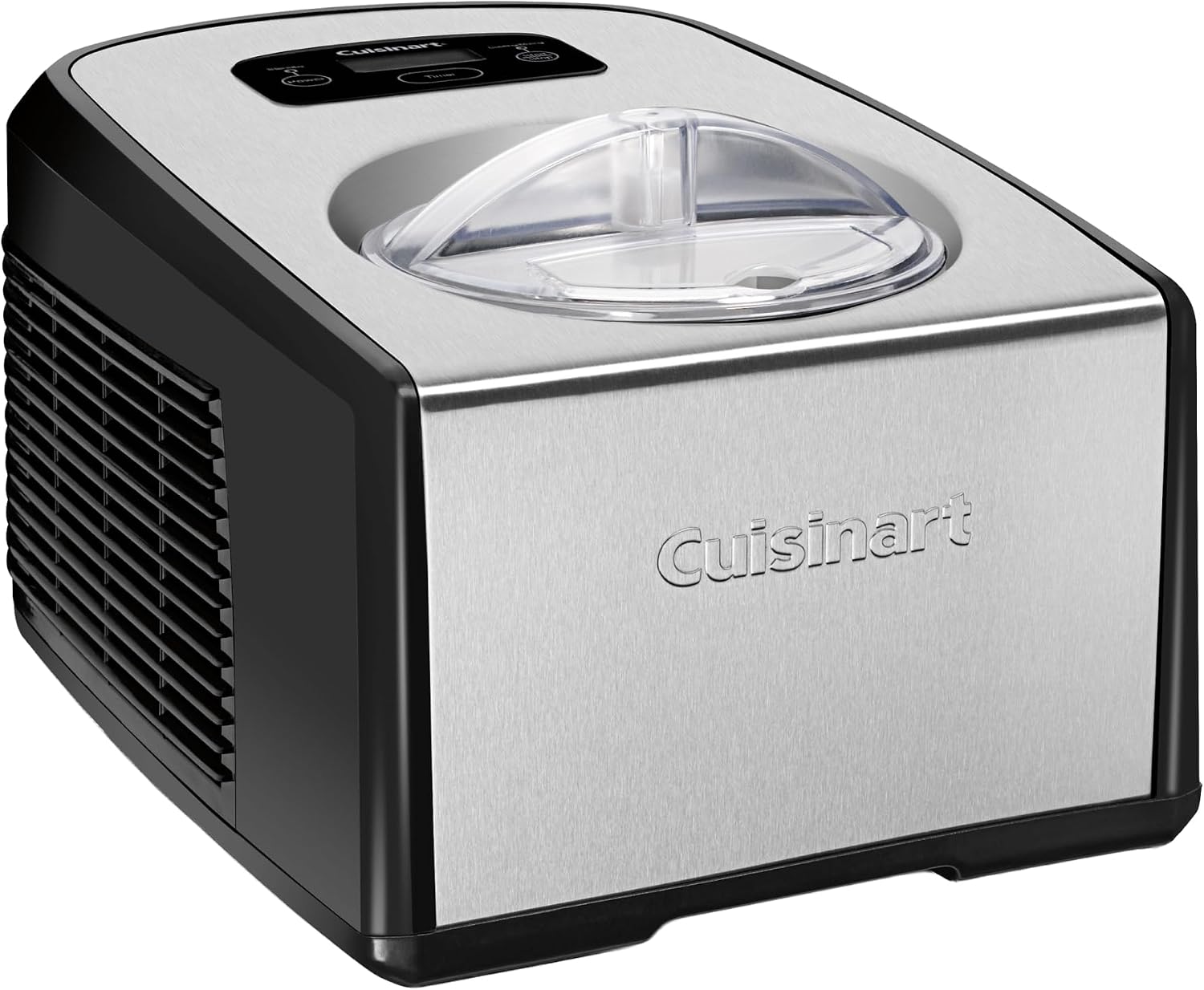
Selecting a frozen dessert machine starts with examining how the internal unit cools your liquid ingredients into solid treats. Compressor models feature self-refrigerating systems that actively chill mixtures during the churning process, allowing immediate operation without prior preparation. This active refrigeration removes scheduling hurdles, letting you create desserts on a whim whenever sudden cravings arise in your household.
Conversely, traditional bowl models require extensive overnight pre-freezing inside a standard kitchen freezer before any recipe can begin. Evaluating your daily patience and available freezer storage capacity determines which cooling approach best fits your lifestyle. While pre-freeze bowls reduce initial appliance cost and mechanical complexity, compressor units offer unmatched spontaneity for frequent dessert makers who dislike advance planning.
Evaluating Capacity and Batch Size
Kitchen appliances come in varying volume dimensions, directly dictating how many servings you can produce in a single operating session. Smaller units holding roughly one to one-and-a-half quarts suit couples or individuals preparing modest portions without excessive leftovers. These compact bowls heat up less and fit neatly into restricted spaces, but they require repeat runs if you are hosting dinner guests.
Larger two-quart configurations accommodate family gatherings much more effectively by turning out substantial quantities of ice cream, gelato, or sorbet all at once. Matching the bowl volume to your household size prevents repetitive batching while keeping storage footprints realistic for your available counter space. Always check both the liquid capacity and the finished yield before purchasing any dedicated frozen dessert maker.
Analyzing Counter Footprint and Layout
Counter space is a precious commodity in most modern kitchens, making physical dimensions a vital purchasing criterion. Upright vertical models minimize horizontal spread by standing tall, preserving valuable workspace for other culinary tasks. However, their elevated height requires careful measuring if your kitchen features low-hanging overhead cabinets or narrow shelving units that restrict vertical appliance placement.
Wide horizontal chassis designs spread the mechanical weight across a broader surface area, offering great stability during heavy motor operation. While these wider machines might crowd tight prep counters, they frequently provide easier top access for ingredient spouts and control panels. Assessing your specific kitchen layout ensures the chosen appliance integrates smoothly into your daily cooking routines without causing permanent counter congestion.
Comparing Paddle Types and Textures
The internal paddle design plays a critical role in determining the final mouthfeel of your homemade frozen creations. Standard mixing paddles incorporate air efficiently into American-style recipes, yielding a light and fluffy consistency reminiscent of commercial soft-serve products. Dedicated gelato paddles maintain a denser, silkier texture by minimizing air incorporation during the prolonged churning cycle.
Some advanced machines provide interchangeable paddles, letting you switch between traditional ice cream and dense gelato depending on your recipe choice. Reviewing whether a machine supports multiple paddle attachments helps satisfy varied household dessert preferences without buying separate specialized appliances. Proper paddle mechanics ensure your ingredients achieve their intended textural profile every single time.
Reviewing Control Panels and Timers
Modern frozen dessert machines incorporate electronic touchpads, digital displays, and automated timers to simplify the churning process. Countdown timers with auto-shutoff features let you walk away from the machine, stopping motor operation automatically once the programmed cycle finishes. This prevents over-churning and gives you freedom to handle other kitchen chores while dinner finishes cooking.
Preset functions for specific desserts like gelato, sorbet, or frozen yogurt take the guesswork out of motor speed adjustments. Clear LCD screens display remaining run times at a glance, helping you coordinate dessert timing with your meal schedule. Selecting an interface that matches your technical comfort level ensures straightforward operation throughout the lifespan of the appliance.
Maintenance and Cleaning Requirements
Routine cleanup demands careful attention since dairy residues and sugary syrups can stick firmly to mixing bowls and churn blades after a session. Many units require manual hand washing for removable stainless steel bowls, plastic lids, and internal paddles to preserve their surface finishes. Reviewing product care guidelines helps you understand whether parts tolerate automated dishwashers or require careful sink cleaning.
Removable components that detach easily simplify the post-dessert routine, preventing sticky buildup in hard-to-reach mechanical crevices. Wiping down exterior housings with a damp cloth maintains the polished metal or plastic aesthetic without exposing internal electronics to moisture. Prioritizing straightforward cleaning features ensures your dessert maker remains hygienic and ready for its next sweet deployment.
Frequently asked questions
Do all hard ice cream makers require overnight pre-freezing?
No, not all hard ice cream makers require overnight pre-freezing in your household freezer. Models equipped with a self-contained built-in compressor chill the ingredients actively during the churning process, allowing you to start making dessert immediately without advance planning. However, traditional machines rely on double-insulated bowls that must spend twenty-four hours in a standard freezer prior to every single use. Checking the cooling mechanism specifications before buying ensures you select a machine that matches your desire for spontaneous dessert preparation.
What is the difference between an ice cream paddle and a gelato paddle?
An ice cream paddle is engineered to fold a significant amount of air into the mixture, producing a lighter and fluffier texture typical of traditional American-style treats. In contrast, a specialized gelato paddle operates to minimize air incorporation, resulting in a much denser, silkier, and richer mouthfeel associated with authentic Italian gelato. Some advanced machines include both paddle styles so users can swap attachments depending on the specific dessert recipe they plan to churn during that session.
Can I make back-to-back batches of frozen dessert?
Making back-to-back batches depends entirely on the cooling technology of your chosen machine. Compressor-equipped ice cream makers excel at continuous operation because their self-contained refrigeration systems remain cold, allowing you to start a second batch immediately after finishing the first. Traditional pre-freeze bowl machines cannot handle back-to-back sessions unless you purchase multiple cooling bowls or wait another twenty-four hours for the single bowl to refreeze solidly inside your kitchen freezer.
How do I clean and maintain my dessert maker after use?
Cleaning procedures vary by model, but most units feature removable bowls, lids, and churn blades designed for straightforward washing. Many manufacturers specify hand washing only for stainless steel bowls and delicate plastic components to protect their surface integrity over time. Exterior housings typically require a simple wipe-down with a damp cloth. Always follow the specific product care instructions provided in the manufacturer user guide to maintain proper hygiene and extend appliance lifespan.
How much counter space do these ice cream machines require?
Counter space requirements vary significantly based on whether the machine uses an upright vertical build or a wide horizontal chassis. Upright models stand tall with a smaller horizontal footprint, making them ideal for cramped prep counters though they require adequate vertical clearance beneath low cabinets. Wide horizontal compressor units spread across the counter surface, offering robust stability during heavy motor operation. Measuring your available kitchen space beforehand ensures the appliance fits comfortably during use.