Appliances · Buying Guide
Best Home Meat Grinder Machine Options for Fresh Kitchen Prep
Processing raw meat at home gives you complete control over fresh ingredients, custom fat ratios, and unique texture blends for your favorite family recipes. Whether you enjoy crafting gourmet burger patties, savory breakfast sausages, or traditional kubbeh dishes, having the right appliance on your kitchen countertop streamlines the entire food preparation process from start to finish.
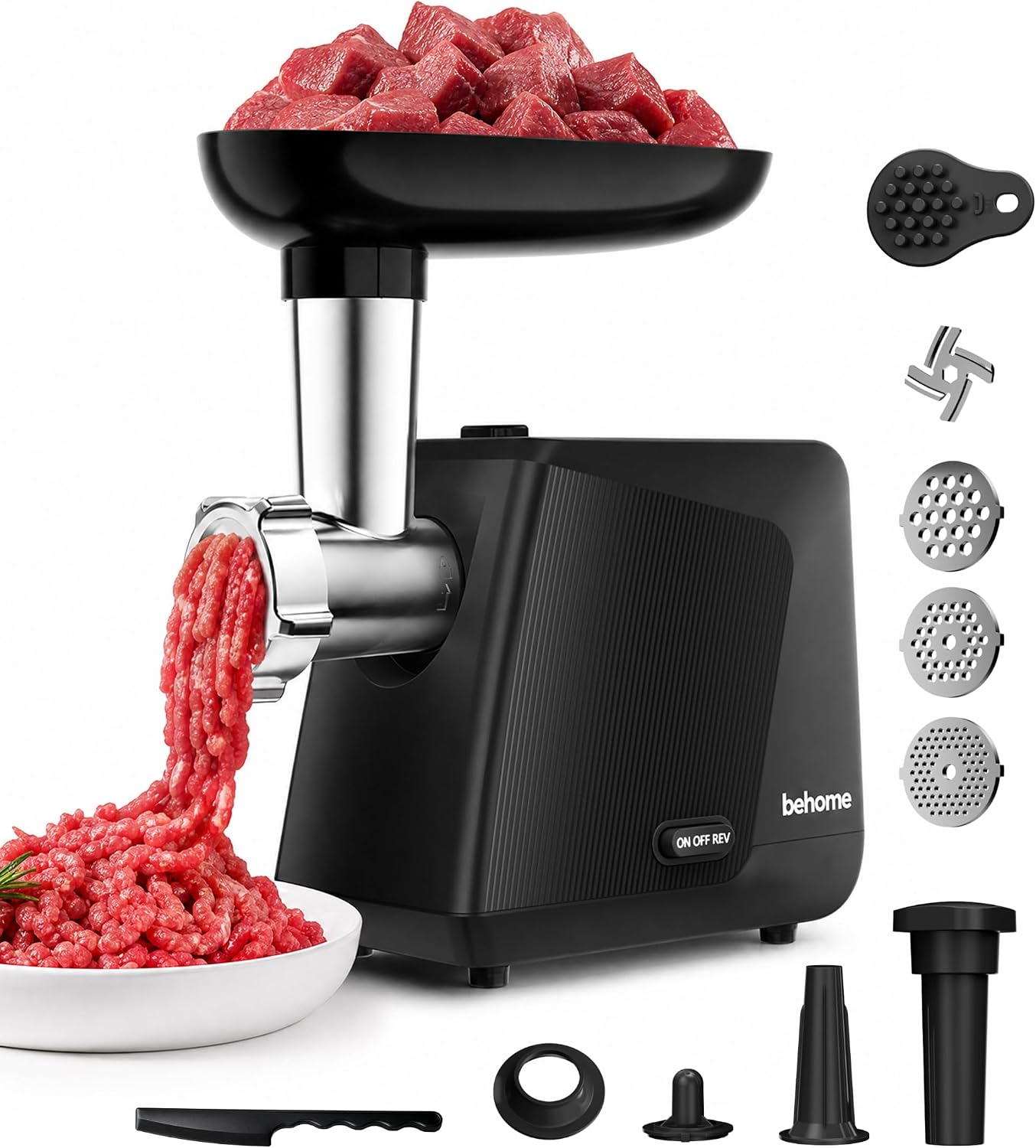
Modern electric grinders feature high-wattage motors, multiple interchangeable grinding plates, and specialized attachments that handle beef, pork, poultry, and venison with impressive processing speed. Selecting a suitable model depends heavily on your typical batch sizes, available counter space, and desired accessory kits to seamlessly match your regular household cooking routine and dietary preferences.
As an Amazon Associate, StacyLaughs earns from qualifying purchases.
Buying guide
Motor Power and Processing Capacity
Motor power directly dictates how efficiently a home meat grinder machine handles tough sinews, frozen cuts, and large volumes of beef, pork, or venison. Wattage ratings typically range from standard home configurations up to high-output motors exceeding thousands of watts. Selecting a motor strength that aligns with your typical batch size ensures smooth operation without placing excessive strain on internal gears during busy meal preparation routines.
Processing speed is closely tied to motor capacity, with many machines capable of outputting anywhere from two to five pounds of minced meat per minute. If you frequently process large quantities of game meat or bulk family portions, a higher-capacity unit saves valuable time. Conversely, occasional home cooks preparing smaller single-meal portions can comfortably rely on lower-wattage appliances without sacrificing everyday functionality or kitchen counter space.
Grinding Plates and Texture Selection
Interchangeable grinding plates are essential components that determine the coarseness or fineness of your ground meat products. Most quality meat mincers include multiple stainless steel plates featuring varying hole diameters, typically ranging from fine two-millimeter options up to coarse seven-millimeter selections. Fine plates work exceptionally well for smooth spreads and emulsified sausages, while coarser plates excel at creating textured burger patties, chili ingredients, and chunky meatloaf fillings.
Having access to multiple texture options expands your culinary versatility, allowing you to replicate butcher-quality grinds right in your own kitchen. Changing plates is generally a straightforward process involving the removal of the front ring nut and cutting blade. Reviewing which plate sizes come included with a prospective machine ensures you can achieve your preferred recipe textures immediately without needing to purchase extra aftermarket accessories later.
Versatility and Specialty Attachments
Beyond standard meat mincing, many modern electric grinders feature multi-functional attachments that transform the appliance into a complete kitchen preparation center. Sausage stuffer tubes of various diameters let you easily pack homemade breakfast links, bratwurst, and specialty chorizo into natural or synthetic casings. Additionally, dedicated kubbe maker kits assist in shaping traditional Middle Eastern stuffed meat shells for unique culinary dishes and family gatherings.
Vegetable cutting attachments also appear in select advanced models, broadening the utility of the machine beyond pure meat processing tasks. When evaluating these accessories, consider which attachments you will actually use in your regular cooking routine. Purchasing a versatile multi-in-one unit eliminates the need for separate standalone kitchen gadgets, saving valuable cabinet storage space while streamlining your overall food preparation workflow.
Ease of Cleaning and Maintenance Care
Proper cleaning and maintenance are vital for maintaining hygiene and extending the operational lifespan of your home meat grinder machine. Because meat proteins and fats can quickly adhere to metal surfaces, models designed for quick disassembly using release buttons or locking levers are exceptionally convenient. All detachable components, including the auger, cutting blade, and grinding plates, must be washed thoroughly after every single use to prevent bacterial buildup.
Manufacturer maintenance guidance frequently recommends hand-washing stainless steel or aluminum parts with warm water and mild detergent rather than using automated dishwashers. Harsh dishwasher detergents and high heat cycles can cause discoloration, oxidation, or corrosion on metal components, diminishing their appearance and longevity. Always dry detachable parts promptly with a soft towel before storing them to protect the metal surfaces and ensure reliable performance.
Safety Features and Jam Prevention
Operating powerful countertop kitchen appliances requires dependable safety mechanisms to protect the user and prevent mechanical damage during demanding tasks. Built-in overload protection automatically shuts the motor off if the unit experiences excessive strain or overheating from tough meat fibers. Additionally, included food pushers keep fingers safely away from the rotating internal auger and sharp cutting blades while feeding ingredients into the grinding chute.
Food jams can occasionally happen when processing sinewy cuts or fatty meats, making a reverse function an invaluable control feature. The reverse setting temporarily spins the auger backward to help release trapped material without requiring complete manual disassembly. Evaluating these safety mechanisms and anti-jam controls provides greater peace of mind during heavy processing sessions, especially when preparing large batches of game meat.
Countertop Footprint and Storage Design
Kitchen countertop space is a valuable commodity, making the physical dimensions and storage design of a meat grinder important purchasing considerations. Heavy-duty models featuring robust motors and die-cast bodies often have larger footprints and heavier weights, requiring permanent counter placement or dedicated deep cabinet storage. Measuring your available workspace helps ensure the chosen appliance fits comfortably beneath upper kitchen cabinets during operation.
Some modern electric grinders incorporate smart design elements like built-in accessory storage compartments to keep grinding plates, blades, and stuffing tubes neatly organized. Models with compact housings or easily removable heads also simplify storage inside standard kitchen pantries. Balancing your need for heavy-duty motor power against available kitchen storage space ensures you select an appliance that integrates smoothly into your daily cooking environment.
Frequently asked questions
Can I grind frozen meat directly in an electric home meat grinder machine?
Grinding completely frozen solid meat is generally discouraged because it places extreme stress on the motor, internal metal gears, and cutting blades. For optimal performance and safety, meat should be thoroughly thawed and chilled rather than frozen solid. Partially firm or semi-frozen meat can sometimes be processed if cut into small enough strips to fit the feed tube, but you should always consult the specific manufacturer guidelines provided with your appliance. Pushing solid frozen blocks into the chute risks triggering overload protection mechanisms or causing permanent damage to the internal auger and cutting attachments.
How do I prevent meat from getting stuck or jammed inside the grinder?
Preventing jams starts with proper meat preparation, which includes trimming away excessive connective tissue, silver skin, and large bones before feeding pieces into the machine. Cutting the meat into narrow strips that match the dimensions of the feed chute also ensures smooth, continuous feeding without overloading the auger. If a blockage does occur during processing, immediately stop the motor and utilize the built-in reverse function button to back out the trapped material. Avoid forcing stubborn ingredients down manually with anything other than the designated plastic food pusher supplied with your specific appliance.
Are the removable parts of a home meat grinder machine dishwasher safe?
Dishwasher safety varies significantly depending on the specific manufacturer instructions and the materials used in the grinding attachments. Many electric meat grinders feature stainless steel or aluminum components that require careful hand-washing using warm water and mild dish detergent. Harsh detergents and high drying temperatures found in standard automated dishwashers can cause discoloration, oxidation, or corrosion on aluminum parts. Always review the cleaning instructions supplied with your particular model to determine whether placing attachments in the dishwasher is acceptable or if hand-washing is strictly recommended to preserve the metal finish.
What is the purpose of the different grinding plate sizes included with the machine?
The various grinding plate sizes, which typically feature hole diameters ranging from two millimeters to seven millimeters, allow you to customize the texture of your minced food. Fine plates with small holes are ideal for making smooth patés, emulsified bratwurst, or finely textured meat spreads. Medium plates serve as versatile all-purpose options for standard hamburger patties, meatballs, and taco fillings. Coarser plates with larger holes leave meat fibers intact and are perfect for chunky chili ingredients, thick sausage blends, and rustic recipes where a distinct, hearty texture is desired for the final dish.
Can I make homemade sausages without a separate stuffer attachment?
Making traditional sausages typically requires a dedicated sausage stuffer tube or funnel attachment to guide the ground meat mixture smoothly into natural or synthetic casings. While some basic mincers sell without these extras, most modern home meat grinder machines include multiple tube sizes designed to fit right onto the grinding head assembly. When using these stuffing attachments, manufacturers usually advise removing the cutting blade and plate first so the meat passes through smoothly without being re-cut. Following these specific assembly instructions ensures you can successfully fill sausage casings without tearing them during preparation.