Appliances · Buying Guide
Best Home Meat Grinders for Fresh Sausage, Burgers, and Bulk Meal Prep
Grinding meat at home gives you complete control over your ingredients, whether you are preparing bulk batches of venison after hunting season, grinding pork for homemade sausages, or making fresh burger patties for weekend family gatherings. Selecting the right appliance depends heavily on motor power, available kitchen counter space, and how frequently you plan to process meat in your home kitchen.
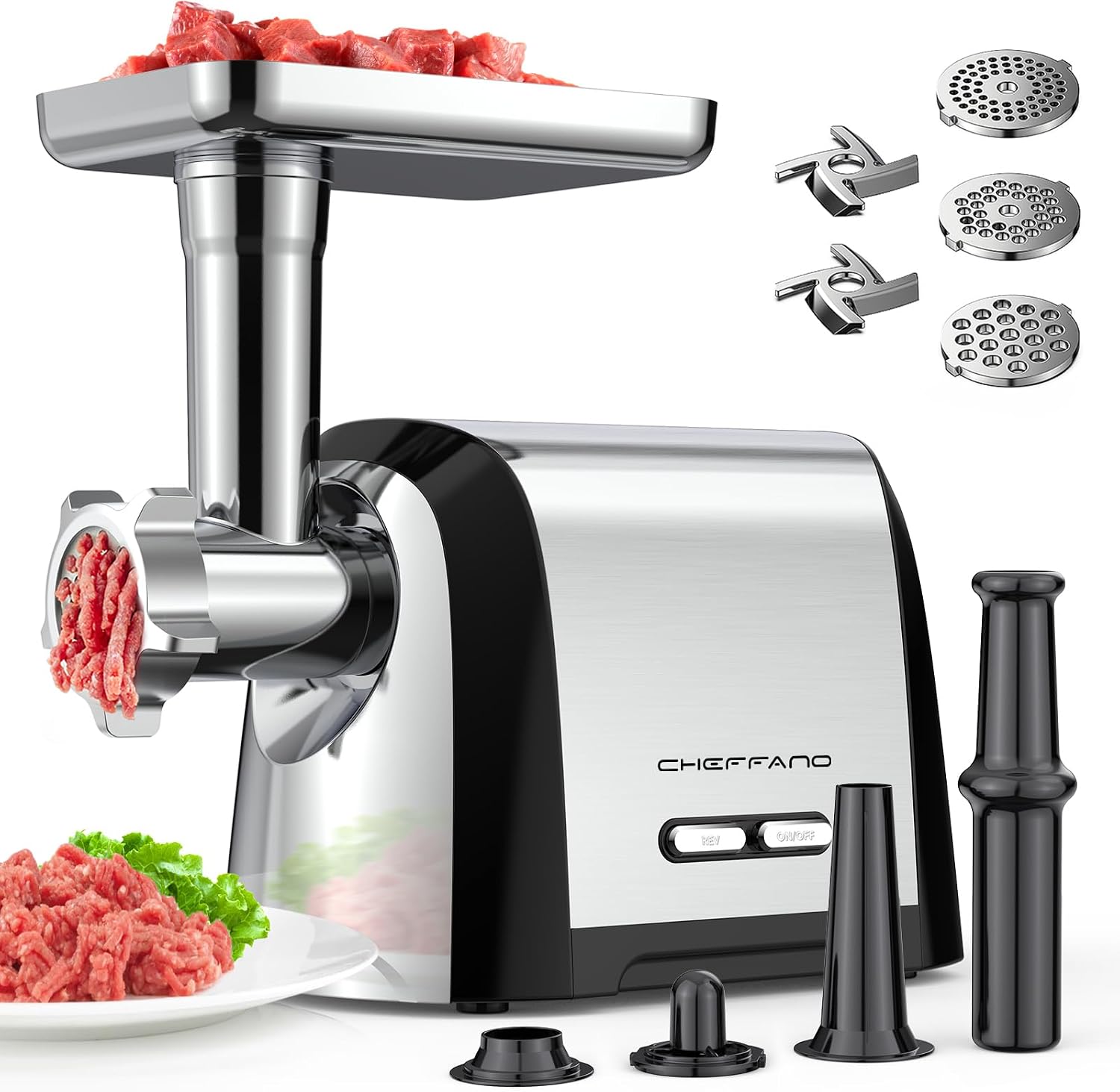
Modern electric grinders offer various attachments, including stainless steel cutting plates, sausage stuffer tubes, and specialized kubbe kits. Reviewing these core specifications helps you match a specific mincer to your daily routine, ensuring efficient processing without unnecessary bulk or complicated manual cleanup steps.
As an Amazon Associate, StacyLaughs earns from qualifying purchases.
Buying guide
Motor Power and Wattage Ratings
Motor power determines how efficiently a home meat grinder handles tough connective tissue, fat, and dense cuts of meat. Manufacturers list rated running wattage and maximum locked power figures. Higher wattage models prevent stalling under heavy resistance, ensuring steady performance during extended processing sessions. Pure copper windings often support better thermal management during frequent use.
Understanding these power specifications helps match the appliance to your habits. Grinding soft poultry occasionally requires moderate wattage. However, processing stiff game meats or large bulk batches demands substantial electrical torque. Always consider how long you intend to run the machine continuously, as heavy tasks require robust internal gears and reliable overload protection systems.
Throughput Capacity and Processing Speed
Processing speed dictates how quickly you can complete large meal prep tasks or seasonal game processing. Grinder throughput is typically measured in pounds per minute or total capacity per batch. High-capacity models process several pounds every single minute, drastically reducing total kitchen time when handling bulk quantities of beef, pork, or venison for sausages and burgers.
Matching speed capabilities to your typical batch size prevents frustration during food preparation. Casual cooks making single meal portions do not require industrial speeds. Conversely, hunters processing whole deer need rapid throughput to finish efficiently. Evaluate your usual portion sizes before selecting an appliance to ensure the grinding speed matches your workflow requirements.
Material Construction and Durability
Material composition directly impacts the longevity, maintenance requirements, and overall hygiene of a meat grinder. Stainless steel components offer excellent resistance to rust and wear, maintaining structural integrity through repeated assembly and cleaning cycles. Many modern grinders combine stainless steel cutting plates and blades with aluminum or sturdy food-grade plastic housing elements to balance weight.
Assessing the build quality helps you choose a machine that withstands regular use without premature component failure. All-metal internal gearboxes provide superior torque transmission compared to plastic alternatives. Reviewing the exterior and internal material specifications ensures you select an appliance capable of handling demanding ingredients while maintaining safe food contact standards over its lifespan.
Included Attachments and Versatility
Versatility in a home meat grinder depends heavily on the included accessories and specialized attachments supplied in the box. Standard packages feature multiple stainless steel grinding plates with varying aperture sizes for fine, medium, or coarse textures. Additional components like sausage stuffer tubes, kubbe kits, and dedicated food pushers expand the functional capabilities of the machine significantly.
Examining these accessory options ensures the appliance can handle diverse recipes beyond basic ground meat. If you plan to make breakfast links, bratwurst, or traditional stuffed dishes, verifying tube size availability is essential. Selecting a multi-functional model eliminates the need for separate kitchen gadgets, keeping your cabinet storage organized while supporting creative home cooking projects.
Safety Features and Operational Controls
Safe operation is paramount when handling powerful electric kitchen appliances featuring sharp internal blades and high-torque motors. Look for built-in safety mechanisms such as automatic overload protection systems, thermal circuit breakers, and secure locking knobs that prevent accidental detachment during grinding. A dedicated reverse switch is another vital control feature designed to clear jammed ingredients safely.
Evaluating these control elements helps protect the motor from burning out under sudden resistance. Physical safety pushers keep fingers away from the feeding chute while guiding meat toward the auger. Prioritizing models with comprehensive safety engineering ensures peace of mind during intensive processing sessions, minimizing risks for home cooks working with dense meats.
Cleaning and Maintenance Requirements
Proper maintenance ensures your meat grinder remains hygienic and operational for years of regular kitchen use. Most manufacturers require manual hand-washing for critical cutting components like blades, grinding plates, and feed screws to prevent surface discoloration or damage. Some machines feature select removable parts that are dishwasher-safe, offering added convenience for routine cleanup tasks after meal preparation.
Reviewing manufacturer cleaning guidelines helps you preserve material performance and avoid accidental damage from improper washing methods. Promptly drying metal components with a soft cloth after rinsing prevents water stains and preserves cutting edges. Understanding these upkeep responsibilities before purchasing ensures you choose a machine that fits your preferred kitchen cleanup routine.
Frequently asked questions
Can home meat grinders process frozen or partially frozen meat?
Processing partially frozen meat is often recommended because firm, semi-frozen chunks hold their shape better and pass through the grinding plate cleanly without turning into a mushy paste. However, you should never attempt to grind solid, completely frozen blocks of meat or hard bones, as this extreme resistance can severely damage cutting blades, strip internal gears, or overload the motor. Always consult the manufacturer guidelines for your specific appliance to determine the ideal meat temperature and preparation state before starting any grinding session.
Are all parts of an electric meat grinder dishwasher safe?
Not all parts of an electric meat grinder are safe for automatic dishwashers. While certain plastic accessories or specific housings may tolerate dishwasher cycles, manufacturers frequently specify that critical metal components like cutting blades, stainless steel grinding plates, feed screws, and retaining rings must be washed entirely by hand. Harsh dishwasher detergents and high heat can discolor, oxidize, or dull precision metal surfaces. Always review the cleaning instructions provided with your specific model to protect its longevity.
What does the reverse button do on an electric meat grinder?
The reverse button on an electric meat grinder is designed to clear clogs and jams caused by tough connective tissue, gristle, or dense meat chunks wrapping around the feed screw. When the machine encounters heavy resistance and stalls, pressing the reverse switch makes the internal auger rotate backward. This action pushes the trapped ingredients back up toward the feeding chute, allowing you to safely dislodge the obstruction or restart forward grinding without having to disassemble the entire cutting attachment manually.
Can I use a home meat grinder to grind bones for pet food?
Most standard home meat grinders are explicitly not designed to process bones. Attempting to grind bones can instantly ruin the sharp cutting edges of the blades, warp or fracture the stainless steel plates, and permanently damage the internal transmission or motor due to excessive mechanical stress. If you plan to prepare homemade raw pet food that includes bone content, you must check for specialized heavy-duty commercial equipment explicitly rated for that purpose by the manufacturer.
What is the difference between rated power and max locked power?
Rated power represents the continuous electrical wattage the motor draws during normal, steady operation under typical workloads. Maximum locked power refers to the peak electrical wattage the motor can deliver momentarily if the grinding mechanism is suddenly halted or jammed by dense material. While high max locked power numbers indicate strong short-term torque for handling tough spots, the rated power gives a better indication of energy consumption and sustained performance during long, continuous meal preparation and bulk processing tasks.