Appliances · Buying Guide
Best Home Sous Vide Cookers for Precise Temperature Control
Achieving consistent cooking results relies heavily on maintaining steady water temperatures without constant stovetop monitoring. Modern thermal immersion circulators attach easily to standard pots and containers, circulating heated water continuously around sealed food bags. This steady movement ensures even heat distribution from every direction, significantly reducing the risk of overcooking delicate proteins, vegetables, and everyday meals in your home kitchen.
Choosing the right device depends directly on your water capacity needs, heating wattage, and preferred control methods, ranging from direct physical dials to wireless app connectivity. Exploring these distinct immersion circulators helps home cooks find a reliable thermal tool matching their specific kitchen setup and recipe ambitions.
As an Amazon Associate, StacyLaughs earns from qualifying purchases.
Buying guide
Understanding Heating Wattage and Capacity
Heating wattage determines how quickly an immersion circulator brings a water bath to your target temperature and directly influences the maximum container size it can efficiently manage. Models ranging from 1000 to 1100 watts typically suit standard kitchen pots holding up to 15 liters of water, providing reliable daily performance for everyday meals like steaks, chicken breasts, and vegetables.
Higher wattage options exceeding 1200 or 1600 watts support much larger water volumes, sometimes reaching up to 60 or 100 liters when paired with insulated or covered vessels. Matching the power rating to your typical batch size ensures steady thermal performance without excessive heating delays during large family gatherings or meal-prep sessions.
Evaluating Control Methods and Connectivity
Control methods vary widely among thermal circulators, ranging from straightforward physical twist dials to advanced smartphone applications accessible via local wireless home networks. Offline physical dials allow immediate adjustments directly on the appliance counter without requiring software accounts, passwords, or smartphone pairing procedures, making them ideal for straightforward, distraction-free cooking sessions where simplicity matters most.
Wireless connectivity enables remote monitoring, mobile temperature alerts, and access to digital recipe libraries from anywhere in the house. Choosing between manual local controls and remote app interfaces depends entirely on your personal preference for kitchen technology, network stability, and whether you want mobile notifications while attending to other important household tasks or relaxing.
Mounting Options and Pot Compatibility
An adjustable mounting clamp is essential for securing the immersion circulator firmly to different cooking vessels. Most units feature sturdy clips or tightening screws designed to attach securely to the rims of standard stockpots, stainless steel containers, or dedicated plastic tubs of varying wall thicknesses across your kitchen setup.
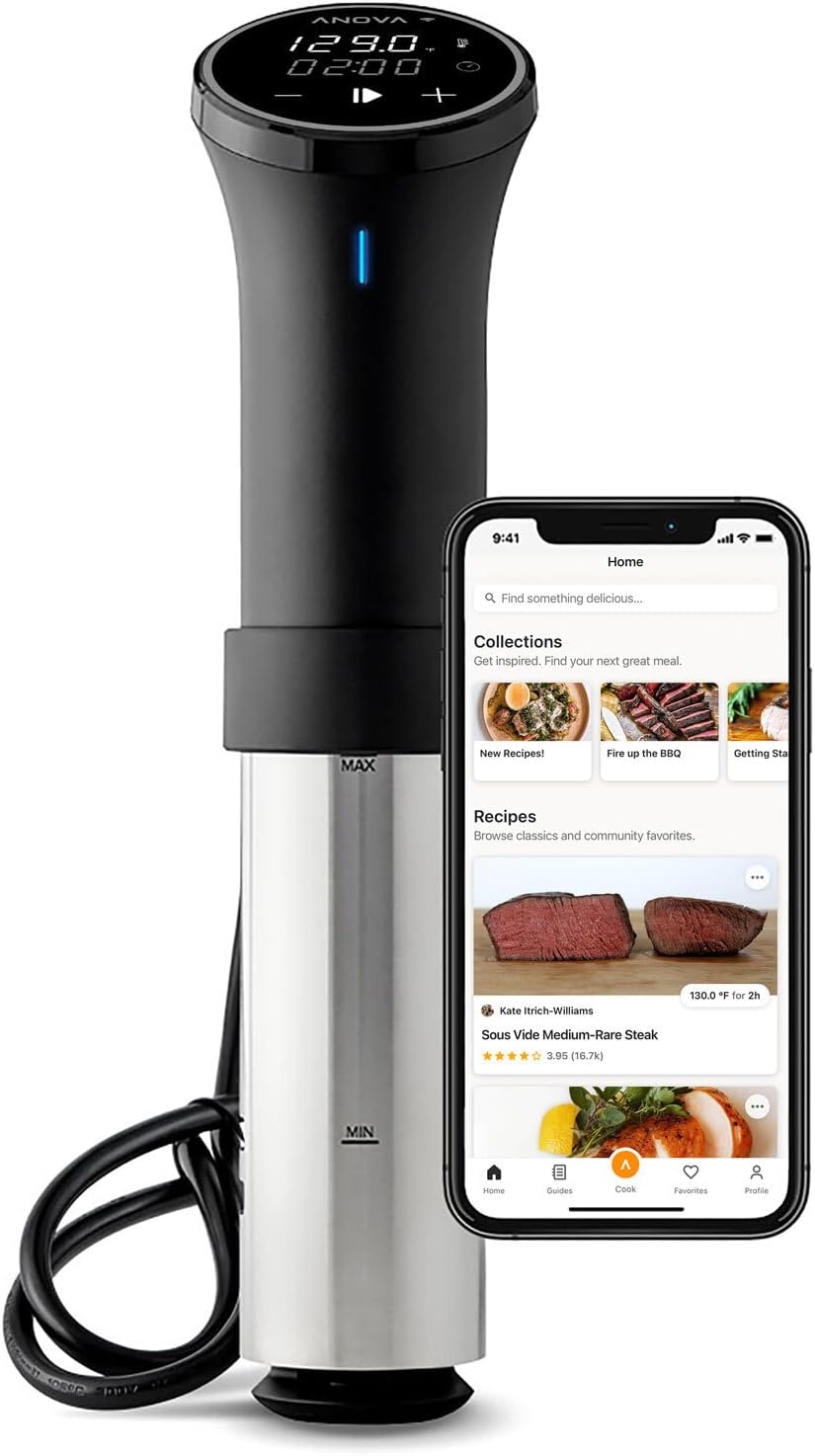
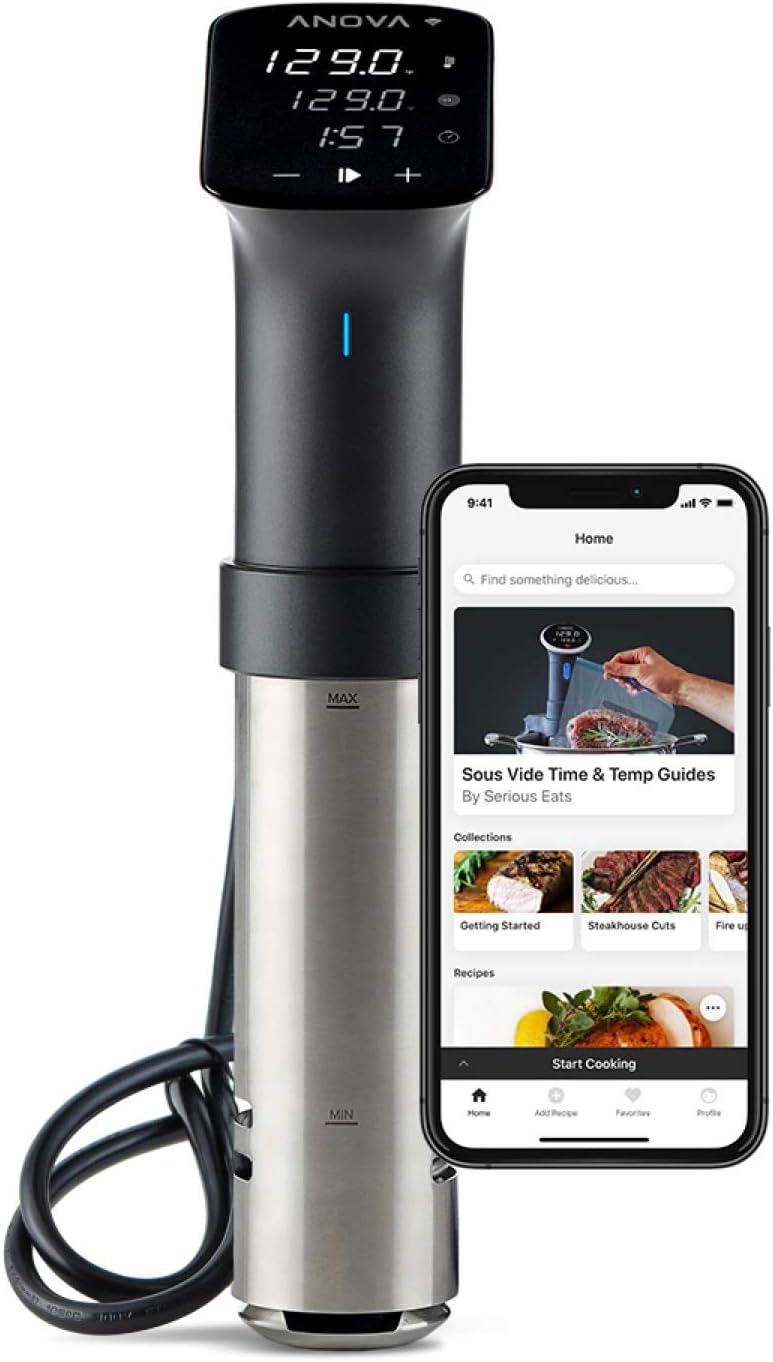
Checking the minimum and maximum water depth markings on the metal housing ensures the appliance functions correctly without triggering low-water safety alarms or internal motor strain. Selecting a pot with sufficient vertical height prevents liquid overflow during food bag insertion and maintains proper 360-degree circulation flow around all submerged ingredients for consistent results.
Maintenance and Cleaning Procedures
Regular cleaning prevents mineral scale buildup and food residue accumulation on internal heating elements and circulating pump propellers over extended periods of cooking time. Many modern immersion circulators include detachable stainless steel skirts or protective lower sleeves that twist off effortlessly for routine washing by hand after dinner service concludes in your kitchen.
Standard kitchen sinks and compatible dishwashers easily accommodate these removable metal components, making post-cooking maintenance straightforward and fast for everyday home cooks. Following manufacturer compatibility guidance for cleaning safeguards internal electronic assemblies and preserves the long-term operational lifespan of your thermal circulator equipment over years of consistent home use without unexpected mechanical complications.
Operating Noise Levels and Kitchen Comfort
Noise levels during long cooking cycles can significantly impact kitchen comfort, especially in modern open-concept living spaces where cooking areas blend directly into dining rooms. Advanced brushless motors and optimized pump structures keep operational sounds remarkably low, often falling well below forty decibels during continuous water heating tasks across several hours.
This exceptionally quiet performance ensures the circulator will not disrupt household conversations, media viewing, or sleeping children in nearby bedrooms during extended cooking hours. Choosing a low-noise model enhances overall usability when running multi-hour braises, tender cuts, or overnight recipes without creating annoying background mechanical hums in your home environment.
Safety Features and Water Monitoring
Essential safety safeguards such as low-water auto-shutoff mechanisms and thermal alerts protect both the immersion appliance and your kitchen setup during daily operation. If water levels drop below the minimum indicator line due to evaporation, built-in sensors halt heating immediately to prevent dry-burn damage and signal users with distinct flashing status lights reliably.
Visual status lights, color-coded indicators, and audible timers provide clear feedback while meats cook unattended, letting you manage other household kitchen tasks safely. These protective functions offer reliable oversight during long unattended cooking sessions, ensuring complete peace of mind whether you are downstairs or busy in another room of your house.
Frequently asked questions
Do I need a special container for sous vide cooking?
You do not necessarily need a specialized container because most immersion circulators feature adjustable clamps that attach securely to standard stockpots you likely already own. However, larger water baths or long-term cooking sessions often benefit from dedicated plastic tubs or insulated containers to minimize heat loss and evaporation. As long as your chosen vessel is deep enough to meet the minimum water depth requirements marked on the appliance and wide enough to hold your sealed food bags comfortably, almost any sturdy pot or container will work effectively for everyday meal preparation.
Can I operate a sous vide circulator without a smartphone app?
Yes, several immersion circulators are specifically designed for offline use and do not require any smartphone application, wireless network, or Bluetooth pairing. These models rely on physical twist dials, push buttons, and onboard LED screens to let you set cooking temperatures and timers directly on the device housing. This setup is ideal for cooks who prefer a straightforward, app-free kitchen experience without needing to manage account logins, software updates, or router frequency bands before preparing meals like steaks, chicken, or vegetables.
How do I clean and maintain my immersion circulator?
Cleaning an immersion circulator is generally straightforward because many models feature detachable stainless steel skirts or lower sleeves that twist off effortlessly. You can wash these removable metal components by hand or place them in a dishwasher depending on the manufacturer guidelines. To prevent mineral scale buildup from hard water over time, periodic washing helps maintain internal heating elements and circulating pump propellers. Always follow the specific manufacturer compatibility instructions to protect internal electronic parts and extend the lifespan of your device.
What happens if the water level drops too low during cooking?
When water levels drop below the minimum indicator line due to evaporation during extended cooking sessions, modern safety safeguards automatically trigger a response. Most smart and standard immersion circulators will sound an audible alarm, flash a warning status light, and immediately shut off the heating element to prevent dry-burn damage or motor overheating. Once you refill the container back above the minimum line and reconfirm your settings, the circulator resumes normal operation, ensuring unattended cooking remains safe and reliable throughout the day.
What is the difference between 1000W and higher wattage circulators?
The primary difference lies in heating speed and the maximum water volume the device can efficiently manage. Lower wattage models around 1000 to 1100 watts typically heat standard pots holding up to 15 liters, making them well-suited for everyday family meals. In contrast, higher wattage options ranging from 1200 to 1600 watts can handle much larger water baths up to 60 or 100 liters. This makes high-power circulators ideal for large-batch meal prep, entertaining large groups, or pairing with oversized insulated commercial cooking containers.