Appliances · Buying Guide
Best ikea tillreda portable induction cooktop choices for compact kitchens
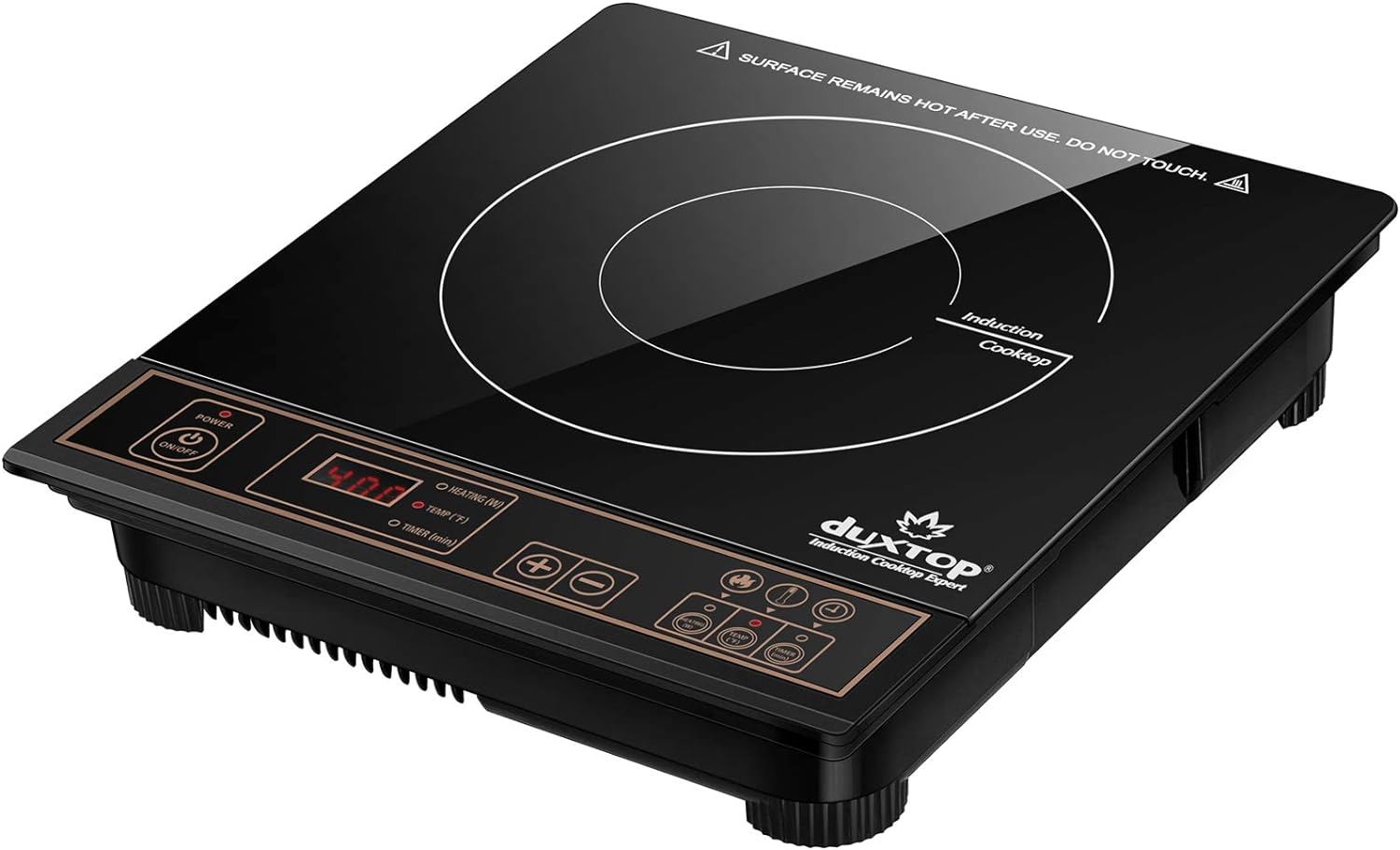
Finding reliable cooking appliances for compact living spaces, dorm rooms, or recreational vehicles often leads shoppers to explore efficient single-burner electric options. While specific minimalist units capture widespread attention for minimalist kitchen layouts, numerous powerful alternatives deliver rapid heating, precise digital temperature control, and lightweight portability for everyday meal preparation without taking up excessive counter space.
Modern induction technology transfers magnetic energy directly into compatible cookware, ensuring significantly faster boiling times and cooler surrounding surfaces compared to traditional electric coil burners. Evaluating these versatile cooktops involves looking closely at wattage limits, temperature increments, safety locks, and overall footprint dimensions to match your specific kitchen layout and daily cooking routines effectively.
As an Amazon Associate, StacyLaughs earns from qualifying purchases.
Buying guide
Understanding Wattage and Heating Speed
Power output directly influences how quickly water boils and how fast a cooktop responds to temperature shifts. Most portable induction models operate between 1400 and 1800 watts, plugging directly into standard household electrical outlets. Higher wattage units generally deliver faster heating times, making them ideal for boiling large pots of water or searing meats quickly. Lower wattage options still handle everyday simmering and frying efficiently while drawing slightly less electrical current.
When evaluating options, consider your primary cooking habits and electrical setup. If you frequently prepare large meals or require rapid boiling capabilities, selecting an 1800-watt burner ensures optimal performance. For lighter cooking tasks in dorm rooms or office kitchenettes, a 1400-watt or 1500-watt model provides adequate energy efficiency without overloading shared circuits. Matching appliance wattage to your actual culinary demands prevents unnecessary frustration during meal preparation.
Evaluating Size and Countertop Footprint
Countertop space is often at a premium in studio apartments, RVs, and small kitchen setups. Portable induction cooktops feature slim profiles, but overall dimensions and weight vary significantly across different manufacturers. Reviewing unit depth, width, and thickness helps determine whether the appliance can sit comfortably on narrow counters or slide easily into vertical cabinet storage when not in active use. Lightweight designs also simplify transportation for outdoor or travel cooking.
A compact footprint ensures that the burner leaves adequate room for food preparation alongside the cooking zone. Bulky models might offer larger heating coils but can crowd small workspaces. Checking exact product measurements against your available storage areas guarantees a seamless fit. Prioritizing slim profiles allows users to maintain an organized kitchen environment while still enjoying the convenience of dedicated electric cooking surfaces wherever household power is accessible.
Cookware Compatibility and Material Requirements
Induction cooking relies entirely on magnetic fields to generate heat directly within the cookware base. Consequently, traditional aluminum, glass, or copper pots and pans will not function unless they feature a specialized magnetic bottom layer. Buyers must verify their existing cookware collection or invest in induction-ready alternatives, such as cast iron, enameled steel, or magnetic stainless steel, before operating any portable induction cooktop safely and effectively.
A simple household magnet serves as a quick diagnostic tool; if the magnet firmly clings to the underside of your cookware, it is fully compatible. Ignoring this fundamental requirement leads to error messages or complete appliance inactivity. Ensuring your pots and pans match the magnetic induction standard guarantees rapid heating, energy efficiency, and proper interaction with the safety auto-pan detection sensors built into modern countertop burners.
Control Interfaces and Temperature Precision
Navigating temperature and power levels effectively depends heavily on the control interface design. Modern induction cooktops utilize either physical push buttons or touch-sensitive glass panels. Touch controls offer a sleek, easy-to-wipe surface but can occasionally register false inputs if liquids spill nearby. Push buttons provide tactile feedback, ensuring precise inputs even when hands are damp. Evaluating how many power tiers are available helps determine cooking flexibility.
Some cooktops feature simple ten-tier adjustments, while advanced units provide up to twenty distinct levels or precise five-degree increments. Wider adjustment ranges allow home cooks to maintain exact simmers for delicate sauces or achieve high heat for searing steaks. Selecting an interface style that matches your personal preference ensures an intuitive cooking experience without steep learning curves or operational friction during busy meal preparation routines.
Safety Features and Automated Protections
Safety mechanisms are crucial when operating high-power electrical appliances in compact spaces. Quality induction cooktops incorporate multiple protective measures, including child safety locks, auto-pan detection sensors, and automatic shut-off systems. Auto-pan detection automatically deactivates the heating zone if cookware is removed for a brief period, preventing accidental energy waste or surface damage. Overheat protection monitors internal temperatures to safeguard against electrical malfunctions during extended cooking sessions.
Residual heat indicators also alert users when the ceramic or tempered glass surface remains hot after cooking concludes, minimizing burn risks. Reviewing these built-in safeguards provides peace of mind, especially in households with children or pets. Prioritizing models with comprehensive error messaging and voltage warning systems ensures stable long-term operation, protecting both the appliance and your living environment from unexpected electrical fluctuations or user errors.
Maintenance and Surface Cleaning Routines
Keeping an induction cooktop clean is generally straightforward due to the flat glass or ceramic heating surface. Because induction technology only heats the cookware base rather than the entire burner surface, spilled food is less likely to bake onto the glass aggressively. Allowing the unit to cool completely before wiping down with a damp cloth maintains the finish and prevents scratching the protective glass coating over time.
Avoiding abrasive scouring pads or harsh chemical cleaners preserves the digital display and touch panel graphics. Regular maintenance routines ensure that diagnostic sensors remain unobstructed and cooling fans operate without dust accumulation. Following manufacturer care guidelines guarantees longevity and reliable performance, keeping your portable induction cooktop looking and functioning like new through countless meal preparations in dorms, RVs, or apartment kitchens.
Frequently asked questions
What type of cookware do I need for a portable induction cooktop?
Portable induction cooktops require magnetic cookware to function properly because induction technology uses magnetic fields to generate direct heat inside the pan base. Compatible materials include cast iron, enameled iron, steel, and stainless steel with a magnetic bottom layer. Non-magnetic materials such as standard aluminum, copper, or glass will not work unless they feature a bonded magnetic base plate. You can easily test your current pots and kitchen pans at home by placing a simple refrigerator magnet against the bottom surface to check for magnetic attraction before cooking.
Why is my induction cooktop making a high-pitched buzzing sound?
Induction heating itself operates silently, but high-pitched buzzing or humming sounds can occasionally occur depending on the specific cookware you are using. This noise typically originates from multi-layered clad cookware where multiple metals are sandwiched together in the base. When the rapid magnetic oscillations interact with these alternating metal layers, acoustic vibration results. Using heavy-gauge single-layer cast iron or high-quality single-ply magnetic stainless steel pans usually minimizes or eliminates these operational noises entirely during active heating sessions.
Can I use an extension cord with an 1800-watt induction burner?
Manufacturers generally advise plugging high-power 1800-watt induction cooktops directly into a standard wall outlet rather than using an extension cord. Because these appliances draw significant electrical current during high-heat operation, extension cords can cause voltage drops, overheating, or circuit overloads. If temporary cord usage is unavoidable, you must select a heavy-duty appliance-rated extension cord that matches the proper amperage and voltage specifications of your home electrical system to ensure safe operation and prevent potential fire hazards.
How do I clean and maintain the glass or ceramic cooktop surface?
Cleaning an induction cooktop is simple because the surface surrounding the heating zone stays relatively cool, preventing spilled food from baking on aggressively. Always allow the glass or ceramic surface to cool completely before performing any maintenance. Wipe down the unit using a soft, damp cloth and mild dish soap. Avoid abrasive scouring pads, steel wool, or harsh chemical cleaners that can scratch the protective glass coating or damage the sensitive digital touch control panel graphics over time.
What safety features should I look for in a portable burner?
Important safety features to look for include auto-pan detection, which shuts the unit off automatically if cookware is removed, and child safety locks to prevent accidental settings changes. Overheat protection monitors internal temperatures to avoid electrical damage during long cooking cycles. Additionally, residual heat indicators warn users when the glass surface remains hot after cooking concludes, helping prevent accidental burns. Voltage warning systems also protect the appliance by alerting users to unstable household electrical current conditions.