Appliances · Buying Guide
Best Rice Cooker Options for Cooking Indian Rice at Home
Cooking Indian rice varieties like basmati or sona masuri requires careful attention to moisture and heat distribution to achieve fluffy, separate grains without scorching. Many home cooks turn to dedicated kitchen appliances to simplify this daily task, removing the guesswork associated with traditional stovetop methods.
Modern countertop cookers offer varied heating systems, ranging from simple one-touch mechanical switches to advanced fuzzy logic programs designed to optimize grain texture automatically. Selecting the right model depends on batch size, counter space availability, and desired pre-programmed settings for grains and steaming.
As an Amazon Associate, StacyLaughs earns from qualifying purchases.
Buying guide
Capacity and Batch Sizing
Selecting the right capacity depends heavily on household size and typical portion requirements. Models range from compact 3-cup uncooked mini units suited for individuals to large 10-cup options capable of feeding extended families. Matching the container size to your typical batch ensures grains cook evenly without overcrowding or wasting valuable kitchen counter space during everyday meal preparation routines.
Consider whether you plan to cook simple side dishes or full one-pot meals using included steam trays. Smaller cookers excel at daily single portions, while larger vessels accommodate extensive meal prep for multiple guests or family gatherings. Evaluate your available storage space before purchasing higher-capacity appliances to ensure they fit comfortably inside your kitchen cabinets or pantries.
Heating Technology and Power
Heating mechanisms significantly influence how uniformly grains absorb moisture during the cooking cycle. Basic mechanical cookers use a single bottom heating plate, while advanced units employ triple heating systems along the bottom, side, and lid. Higher wattage ratings generally correlate with faster heating speeds, though lower-wattage options still perform reliably for smaller meal volumes.
Advanced fuzzy logic technology takes heating a step further by dynamically adjusting temperature profiles throughout the process. This automated regulation prevents scorching and ensures consistent textures across various grain types. When reviewing options, assess whether you prefer straightforward single-temperature heating or responsive computerized adjustments for specialized culinary results.
Inner Pot Materials and Coatings
The interior cooking vessel material impacts both durability and daily cleaning convenience after meals. Many modern cookers utilize nonstick coatings, including PFAS-free ceramic options, which prevent cooked grains from sticking to the surface. Alternatively, some specialized models feature food-grade 304 stainless steel pots that completely eliminate artificial coatings for a rugged, metal-only cooking environment.
Your personal preference for effortless food release versus coating-free construction will dictate the best material choice. Nonstick pots generally require gentle handling or specific care to preserve their treated interior surfaces over years of use. Stainless steel options withstand more rigorous cleaning methods but demand attentive water measuring to prevent sticking during initial absorption phases.
Preset Programs and Timer Controls
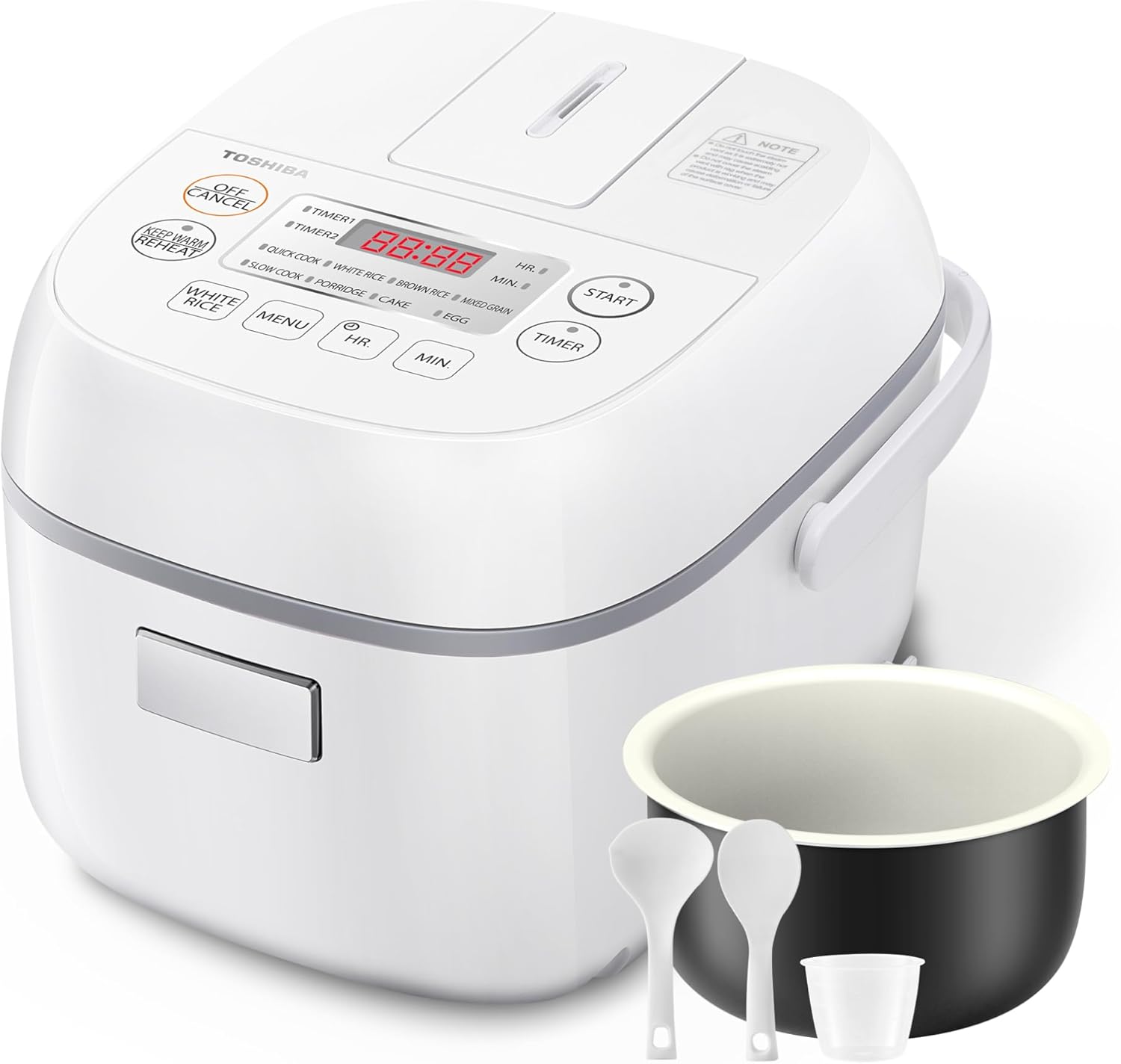
Preprogrammed settings take the guesswork out of preparing diverse grains, soups, and hot cereals. Basic units offer simple one-touch levers, while advanced appliances feature multiple dedicated modes for white rice, brown rice, whole grains, and rapid cooking cycles. Digital interfaces allow users to select exact textures and cooking parameters tailored to specific family recipes.
Timer functions further enhance daily convenience by letting you schedule meal preparation hours in advance. Programmable delay timers and automatic keep-warm modes ensure your food remains hot and ready to serve whenever you sit down to eat. Evaluate whether you need complex multi-grain menus or prefer straightforward mechanical operation for regular cooking tasks.
Lid Design and Moisture Retention
Lid construction plays a vital role in sealing steam inside the cooking chamber for optimal grain texture. Models featuring tight-locking lids and built-in handles help maintain internal pressure and moisture levels throughout the entire heating cycle. Removable inner lids and integrated dew collectors capture condensation, preventing messy water drips when opening the cooker after completion.
Airtight seals also support efficient automatic keep-warm modes by preventing cooked grains from drying out over extended periods. When examining different appliances, look for detachable lid components that simplify wiping down accumulated condensation. A well-designed lid mechanism ensures consistent steam distribution, contributing significantly to fluffy, separated grains every time.
Cleaning and Maintenance Requirements
Regular cleaning keeps your appliance operating smoothly and prevents residual starches from building up on internal heating elements. Many modern units feature dishwasher-safe accessories, including removable inner pots, steam baskets, and detachable inner lids that simplify post-cooking cleanup routines. Hand-wash-only models require manual scrubbing to maintain their exterior finishes and interior cooking surfaces properly over time.
Manufacturer maintenance guidelines typically specify whether parts can withstand machine washing or require gentle hand cleaning. Reviewing these instructions helps you choose an appliance that fits comfortably into your daily cleanup habits and kitchen routine. Prioritizing detachable components and smooth interior surfaces ensures you can maintain hygienic cooking conditions with minimal physical effort.
Frequently asked questions
Can I cook different types of Indian rice in a standard rice cooker?
Yes, you can prepare various Indian rice varieties, such as basmati or medium-grain types, using most standard countertop cookers. Models equipped with dedicated white rice or whole grain settings help optimize moisture absorption for these specific grains. If you are using a basic one-touch mechanical cooker, achieving good results depends primarily on measuring the correct water-to-rice ratio rather than relying on automated digital programs. Always consult the manufacturer instructions and experiment with small batches to find the ideal liquid balance for your preferred rice variety.
What is the advantage of fuzzy logic technology in a rice cooker?
Advanced fuzzy logic technology allows the appliance to think and automatically adjust the cooking temperature and time throughout a multi-step cycle. Unlike simple mechanical switches that operate at a single heat level until water evaporates, fuzzy logic sensors monitor internal conditions continuously. This dynamic regulation ensures that delicate grains like brown rice or mixed varieties cook evenly without scorching or becoming mushy. It removes the guesswork for home cooks by adapting to varying batch sizes and water temperatures automatically during operation.
Are stainless steel inner pots better than nonstick coatings?
Choosing between a stainless steel inner pot and a nonstick coating depends on your personal cooking preferences and cleaning habits. Stainless steel pots provide a durable, coating-free cooking surface that eliminates worries about peeling finishes and withstands rigorous scrubbing. However, food is more prone to sticking if water ratios are incorrect. Nonstick and ceramic-coated pots offer effortless food release and quick cleanup, though they often require gentle hand washing or careful handling to preserve the treated surface over years of regular daily use in the kitchen.
How do I clean and maintain my rice cooker properly?
Proper maintenance involves following the specific product care instructions provided by the manufacturer for each appliance component. Many modern cookers feature dishwasher-safe inner pots, steam baskets, and detachable inner lids that simplify routine cleaning. If your model requires hand washing, use warm soapy water and a soft sponge to clean the interior without scratching nonstick layers or stainless steel finishes. Regularly wiping down heating plates and emptying removable dew collectors also prevents residual starches and moisture buildup from affecting future performance.
Can I steam vegetables while cooking rice at the same time?
Many countertop cookers include a dedicated steam tray or basket specifically designed for simultaneous cooking and steaming tasks. As the grains absorb water and cook in the main interior pot below, the rising steam cooks vegetables, fish, or poultry placed in the upper tray. This one-pot method saves valuable time and counter space during meal preparation. To ensure success, verify that your chosen model includes a compatible steam basket and follow the manufacturer capacity guidelines to avoid overcrowding the upper cooking tier.