Appliances · Buying Guide
Best Induction Cooktop Under Granite Price Options for Modern Kitchens
Finding the right induction cooktop under granite price considerations requires carefully evaluating your kitchen layout, available electrical supply, and countertop cutouts. Whether you are planning a permanent built-in installation within a solid stone surface or seeking a flexible portable option for daily cooking, understanding the core specifications of each model helps streamline your purchasing decision.
Modern induction units transfer magnetic energy directly into compatible cookware, maximizing heating speed and minimizing energy loss across various power levels. By reviewing zone counts, wattage outputs, and control interfaces, you can choose a reliable appliance that integrates seamlessly into your culinary space while aligning with your overall budget expectations.
As an Amazon Associate, StacyLaughs earns from qualifying purchases.
Buying guide
Electrical Requirements and Voltage
Understanding your home electrical system is an essential first step before purchasing any new induction cooktop. Standard portable models typically plug directly into ordinary 110V or 120V household outlets without any specialized modifications. These versatile units require no complex wiring, making them ideal for apartment dwellers, renters, or temporary countertop setups where permanent modifications are strictly prohibited by landlords.
Larger multi-zone built-in appliances often demand heavy-duty 220V circuits and professional electrician installation to operate safely. Failing to verify your kitchen electrical capacity beforehand can easily result in tripped circuit breakers or expensive unexpected wiring upgrades. Always check voltage specifications carefully against your available wall connections to ensure seamless, safe operation.
Countertop and Cutout Dimensions
Measuring your available kitchen surface area meticulously ensures a proper fit for your chosen cooktop model. Portable single and dual burners sit directly on existing counters, requiring only a clear flat space with adequate surrounding ventilation clearance. In contrast, built-in models demand extremely precise cutout dimensions to drop securely and flush into stone or laminate countertops without structural instability.
A mismatch between the appliance frame and your countertop opening can leave unsightly gaps or prevent proper weight distribution. Always review manufacturer dimensions, depth requirements, and installation diagrams thoroughly before purchasing. Consulting a professional stone fabricator prior to cutting granite surfaces prevents irreversible, expensive installation errors that compromise kitchen aesthetics and safety.
Cooking Zone Count and Layout
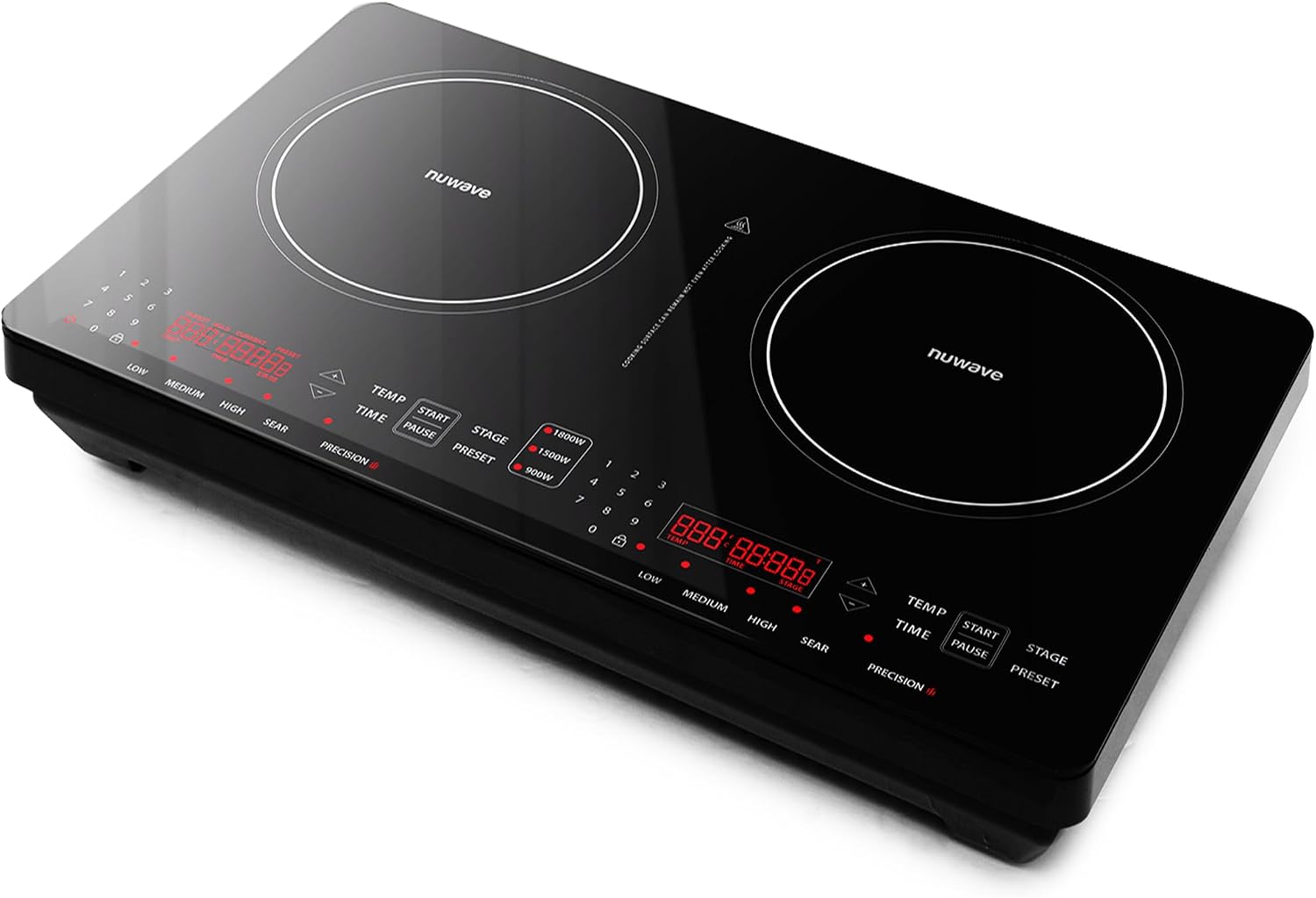
The number of heating zones directly influences how efficiently you can prepare complex family meals every single day. Single-burner cooktops offer exceptional portability and straightforward operation but restrict you to sequential cooking tasks. Dual-zone models provide expanded flexibility, letting you simmer a delicate sauce and sear a protein simultaneously on one compact platform without crowding your workspace.
Large multi-zone configurations easily accommodate numerous pots and pans for simultaneous, high-volume meal preparation. Carefully consider your daily cooking habits and household size when deciding on the appropriate zone count. Selecting too few heating elements causes annoying meal preparation bottlenecks, whereas buying an oversized unit wastes valuable kitchen counter or cabinet storage space.
Power Levels and Wattage Control
Maximum wattage determines how rapidly your induction cooktop can bring water to a rolling boil or sear ingredients. Higher wattage outputs generally deliver faster heat-up times and highly responsive temperature changes across all active zones. Many portable countertop units cap their total power draw at 1800 watts, intelligently sharing electrical energy between zones when multiple pans are active.
Built-in multi-burner systems offer significantly higher total wattages to support simultaneous high-heat cooking across several heavy pans. Look for models featuring granular power adjustments or precision temperature keys for delicate tasks. These advanced controls help prevent scorching by providing steady, continuous heat without erratic cycling during sensitive simmering routines.
Cookware Compatibility Requirements
Induction cooking relies entirely on electromagnetic fields to generate heat directly within compatible pots and pans. Consequently, you must use magnetic cookware such as cast iron or stainless steel featuring a flat, solid bottom. Traditional pure aluminum, glass, or copper pans lacking a dedicated magnetic base will fail to heat up on an induction surface.
Always check manufacturer guidelines regarding minimum pan diameter requirements to ensure reliable sensor detection and efficient energy transfer. Using incompatible or undersized cookware triggers automatic safety shut-offs, preventing the heating element from activating altogether. Verifying your existing kitchen pots and pans before purchasing a new cooktop prevents unexpected supply expenses.
Safety Features and Control Interfaces
Modern induction cooktops incorporate numerous essential safety mechanisms to protect users during active daily meal preparation. Child safety locks prevent children or distracted cooks from making accidental setting adjustments, while residual heat indicators clearly warn when ceramic glass surfaces remain hot to the touch. Overflow auto shut-off features add an extra layer of protection against messy boiling spills.
Digital touch control panels offer streamlined, modern interfaces for effortlessly managing built-in timers and power levels. Highly responsive glass-embedded sensors also make wiping down smooth cooking surfaces quick and straightforward after every meal. Prioritizing appliances equipped with robust safety protections ensures greater peace of mind in busy household environments.
Frequently asked questions
Will an induction cooktop scratch my granite countertop?
Induction cooktops do not scratch granite countertops when installed or placed correctly. Portable countertop models feature rubber feet or smooth bases that rest safely on stone surfaces without causing damage. For built-in models, the glass surface sits flush within a precisely cut opening, meaning the granite supports the unit's weight rather than rubbing against it. However, sliding heavy cookware across exposed glass or dragging abrasive particles trapped underneath a portable burner can potentially scratch either the glass or the stone, so keeping both surfaces clean is recommended.
Can I place a portable induction burner directly on stone counters?
Yes, you can place a portable induction burner directly on stone counters because these appliances are designed with insulated bases and feet. Granite and other stone surfaces handle heat well, and induction cooktops generate heat inside the cookware rather than radiating high temperatures downward through the glass panel. You should ensure the countertop surface is clean, flat, and dry before placing the unit down. Maintaining adequate clearance around the sides and rear of the appliance ensures proper ventilation and prevents heat buildup during extended cooking sessions.
How do I know if my existing cookware works with induction?
You can easily determine if your existing cookware works with an induction cooktop by performing a simple magnet test. Place a common refrigerator magnet against the bottom of your pots and pans. If the magnet holds firmly and securely to the base, the cookware is magnetic and will heat up efficiently on an induction burner. If the magnet falls off or exhibits weak attraction, the cookware consists of non-magnetic materials like aluminum, copper, or standard glass, and it will require replacement with compatible stainless steel or cast iron options.
What is the difference between portable and built-in induction units?
Portable induction units offer plug-and-play convenience, operating on standard 110V or 120V household outlets without requiring professional installation or permanent countertop modifications. They can be moved easily between locations or stored away when not in use. In contrast, built-in induction units require precise countertop cutouts and often demand professional hardwired 220V electrical installations. Built-in models provide a permanent, seamless kitchen aesthetic with higher total power capacities, accommodating larger multi-zone cooking configurations that permanently integrate into your kitchen cabinetry and solid stone surfaces.
Why does my induction cooktop make a buzzing sound?
An induction cooktop itself is essentially noiseless, but you may occasionally hear buzzing, humming, or clicking sounds during operation. These acoustic noises typically originate from your cookware rather than the appliance's internal components. When multiple layers of different metals are sandwiched together in the base of certain pots and pans, the rapid electromagnetic field vibrations can create high-pitched resonance. Using heavy-gauge, single-material magnetic cookware or ensuring your pan makes full, flat contact with the ceramic glass surface can help minimize these operational sounds.