Appliances · Buying Guide
Best Induction Cooktop With Temperature Control for Precise Cooking
Finding the right cooking surface for small spaces, dormitories, RVs, or supplemental kitchen work involves looking closely at heating elements, wattage ratings, and overall power delivery. Portable induction cooktops offer an efficient alternative to traditional burners by transferring electromagnetic energy directly to compatible cookware, speeding up meal preparation while utilizing standard household electrical outlets safely.
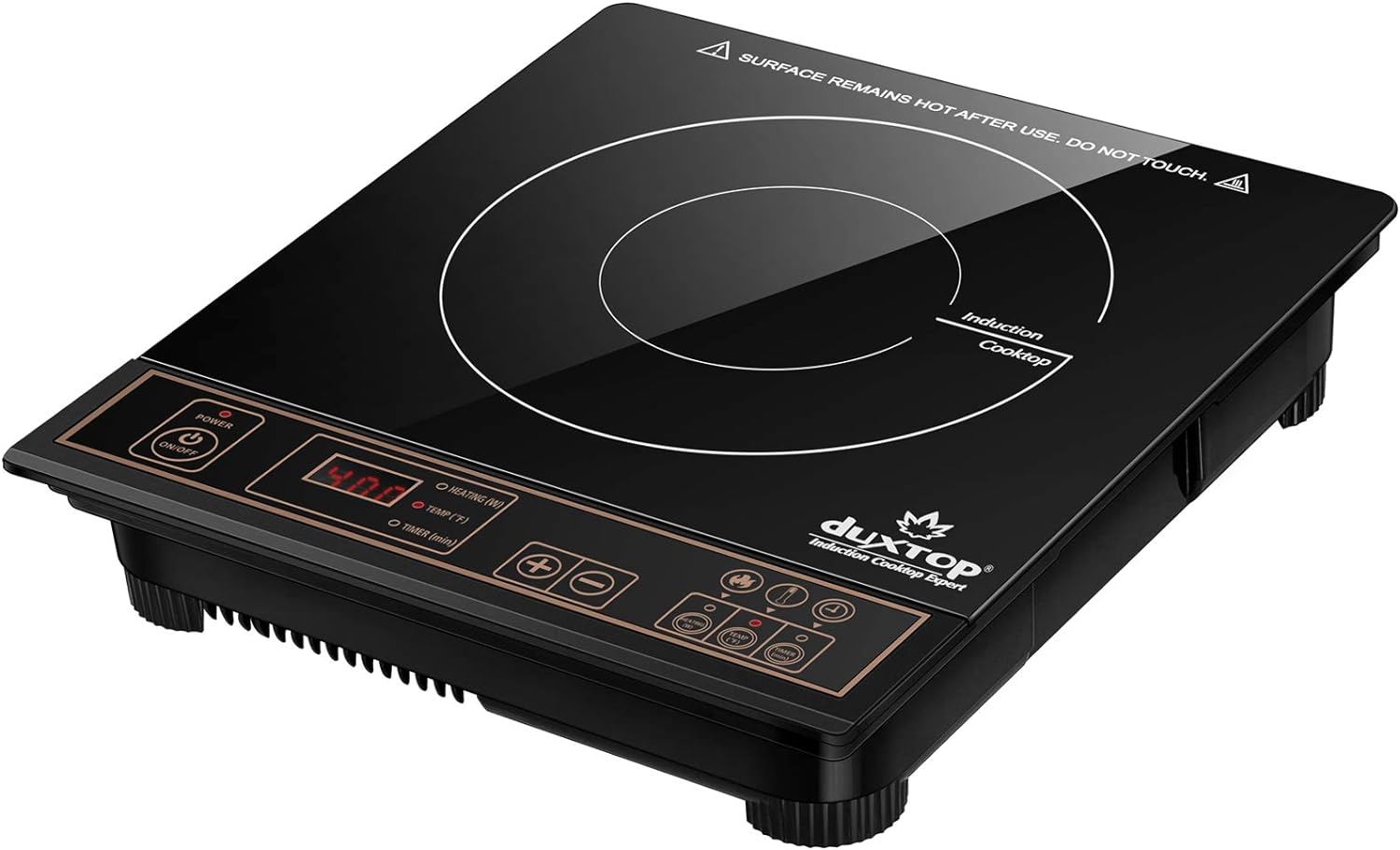
Modern countertop burners integrate digital interfaces, preset menus, and precise temperature adjustments to handle tasks ranging from gentle simmering to high-heat searing. Evaluating these appliances requires understanding wattage limits, dimensional footprints, and control styles to match specific cooking requirements and spatial constraints without relying on permanent installations or complex kitchen modifications for everyday meals.
As an Amazon Associate, StacyLaughs earns from qualifying purchases.
Buying guide
Understanding Wattage and Power Output
Power output directly influences how quickly an induction cooktop heats water and cooks meals. Most portable countertop burners operate at 1800 watts, utilizing standard 120-volt household electrical outlets to deliver fast and efficient energy transfer. Some specialized models offer adjustable wattage settings, allowing users to lower power consumption when operating in environments with electrical limitations like RVs or dormitories.
Evaluating your typical cooking tasks helps determine the appropriate wattage level required. Higher wattage units accelerate boiling times and support high-heat searing applications effectively. Lower wattage alternatives still handle gentle simmering and daily meal preparation but may take slightly longer to reach peak boiling temperatures. Balancing available electrical capacity with your cooking style ensures reliable performance.
Temperature Range and Precision Increments
Precise temperature control is a defining feature of advanced induction cooktops, allowing users to move seamlessly from gentle warming to intense searing. Units often feature multiple temperature settings, with some models offering up to eighty or ninety distinct intervals. These fine increments let cooks maintain exact thresholds for delicate sauces or high-temperature meat searing without guessing.
Reviewing the operational range of a cooktop ensures it aligns with your specific culinary habits. Lower temperature thresholds around 100 degrees Fahrenheit keep foods warm without scorching. Maximum temperatures reaching up to 500 or 575 degrees Fahrenheit provide the high heat necessary for professional-style grilling and browning. Matching these ranges to your favorite recipes optimizes countertop cooking results.
Cookware Compatibility Requirements
Induction cooking relies on electromagnetic energy to heat pots and pans directly rather than warming the surrounding glass surface. Consequently, these appliances require compatible magnetic cookware made from materials like cast iron, enameled iron, or magnetic stainless steel. Standard aluminum, glass, or non-magnetic copper cookware will not heat on an induction burner unless fitted with a magnetic bottom layer.
Checking your existing kitchen inventory before purchasing an induction cooktop prevents compatibility issues. Many manufacturers design burners to accommodate specific pan base diameters, such as four to ten inches, ensuring efficient energy transfer. If your current pots and pans lack magnetic properties, budgeting for a new set of compatible cookware is an essential step for successful countertop operation.
Control Interfaces and Preset Menus
Modern induction burners utilize various control styles, including responsive touch panels, digital displays, and push buttons. Touchscreen and digital interfaces allow users to make quick adjustments on-the-fly, modifying temperature or cooking time without interrupting active cycles. Preset menus simplify everyday tasks by providing one-touch settings for common activities like boiling water, simmering stews, or activating keep-warm modes.
Selecting an interface style depends on personal preference and ease of cleaning. Smooth ceramic glass panels paired with touch controls wipe down easily after cooking sessions. Clear digital displays help monitor countdown timers and power levels accurately. Evaluating how easily you can navigate the control panel ensures a straightforward cooking experience during daily meal preparation and routine cleanup.
Safety Features and Residual Heat Indicators
Safety mechanisms are crucial when operating high-powered countertop cooking appliances in compact spaces. Many induction cooktops include automatic pan detection systems that shut the unit off shortly after cookware is removed from the surface. Additional protections like child safety locks prevent accidental button presses, while residual heat indicators warn users if the ceramic glass remains warm after cooking.
Evaluating built-in safety functions provides peace of mind, especially in households with children or pets. Diagnostic error message systems and voltage warning systems help identify potential electrical issues before they cause damage. Reviewing these protective elements ensures that your chosen countertop burner operates reliably while minimizing common kitchen hazards during everyday meal preparation.
Dimensions, Portability, and Spatial Fit
Countertop space availability dictates the physical size and weight of the induction cooktop you select. Portable burners are typically lightweight, weighing under six pounds, making them convenient for small kitchens, office break rooms, or travel trailers. Checking the depth and width dimensions ensures the appliance fits comfortably on your counter without crowding adjacent workspaces or storage areas.
Portability also involves considering storage convenience and cord length for flexible placement near standard electrical outlets. Sleek, slim profiles allow burners to slide easily into cabinets or shelves when not in use. Balancing physical dimensions with your available surface area ensures the appliance integrates smoothly into your daily cooking routine without demanding permanent installation space.
Frequently asked questions
Do induction cooktops require special pots and pans?
Yes, induction cooktops require cookware with magnetic properties because they use electromagnetic energy to transfer heat directly to the pot. Compatible materials include cast iron, enameled iron, and magnetic stainless steel. Standard aluminum, pure copper, or glass cookware will not generate heat on an induction burner unless they feature a specialized magnetic bottom layer. Before purchasing a portable induction cooktop, you should test your existing pans with a magnet or check manufacturer specifications to ensure compatibility and avoid operational errors.
Why does my induction cooktop make a high-pitched noise?
High-pitched sounds during induction cooking are typically caused by the cookware rather than the appliance itself. When using clad cookware that features multiple metal layers sandwiched together, the rapid electromagnetic energy transfer can cause vibration against the pan base. This phenomenon is common with multi-ply pots and pans and does not indicate a defect in the cooktop. Switching to heavy-gauge single-layer cast iron or certified induction-ready cookware can often help reduce or eliminate these operational noises during cooking sessions.
Can I use a portable induction burner in an RV or dorm room?
Portable induction burners are exceptionally popular for RVs, dorm rooms, offices, and small apartments because they do not require permanent installation and operate on standard 120-volt electrical outlets. However, because they draw substantial electrical power, typically up to 1800 watts, you must be mindful of local circuit limits. Some models offer adjustable wattage settings, such as 900 or 1500 watts, which help prevent tripped breakers in spaces with restricted electrical capacity while still delivering efficient cooking performance.
How do I clean and maintain a ceramic glass induction surface?
Cleaning a ceramic glass induction surface is straightforward because the surrounding glass does not heat up directly, preventing spilled food from baking onto the burner. After the cooktop cools down and the residual heat indicator turns off, you can wipe the smooth surface with a damp cloth or sponge. For stubborn residue, use manufacturer-approved non-abrasive cleaners designed specifically for ceramic glass. Always avoid harsh scouring pads or metal utensils that could scratch or damage the protective finish of the heating panel.
What happens if I remove my pan from the cooktop while it is running?
Most modern induction cooktops feature automatic pan detection systems designed to enhance safety and energy efficiency. If you lift or remove compatible cookware from the burner surface during active cooking, the internal sensor detects the absence of a magnetic load. The unit will typically flash an error message or automatically shut off after a brief period, such as sixty seconds. This safety function prevents the appliance from continuing to draw power when no pot is present, reducing energy waste and accidental burns.