Appliances · Buying Guide
Best Invisible Induction Cooktop Price and Portable Countertop Options
Exploring the right cooking surface involves understanding how modern countertop electric appliances integrate into daily food preparation routines. Many households carefully examine ceramic glass surface materials, power requirements, and digital control layouts before making a final selection for their kitchen space and meal prep styles.
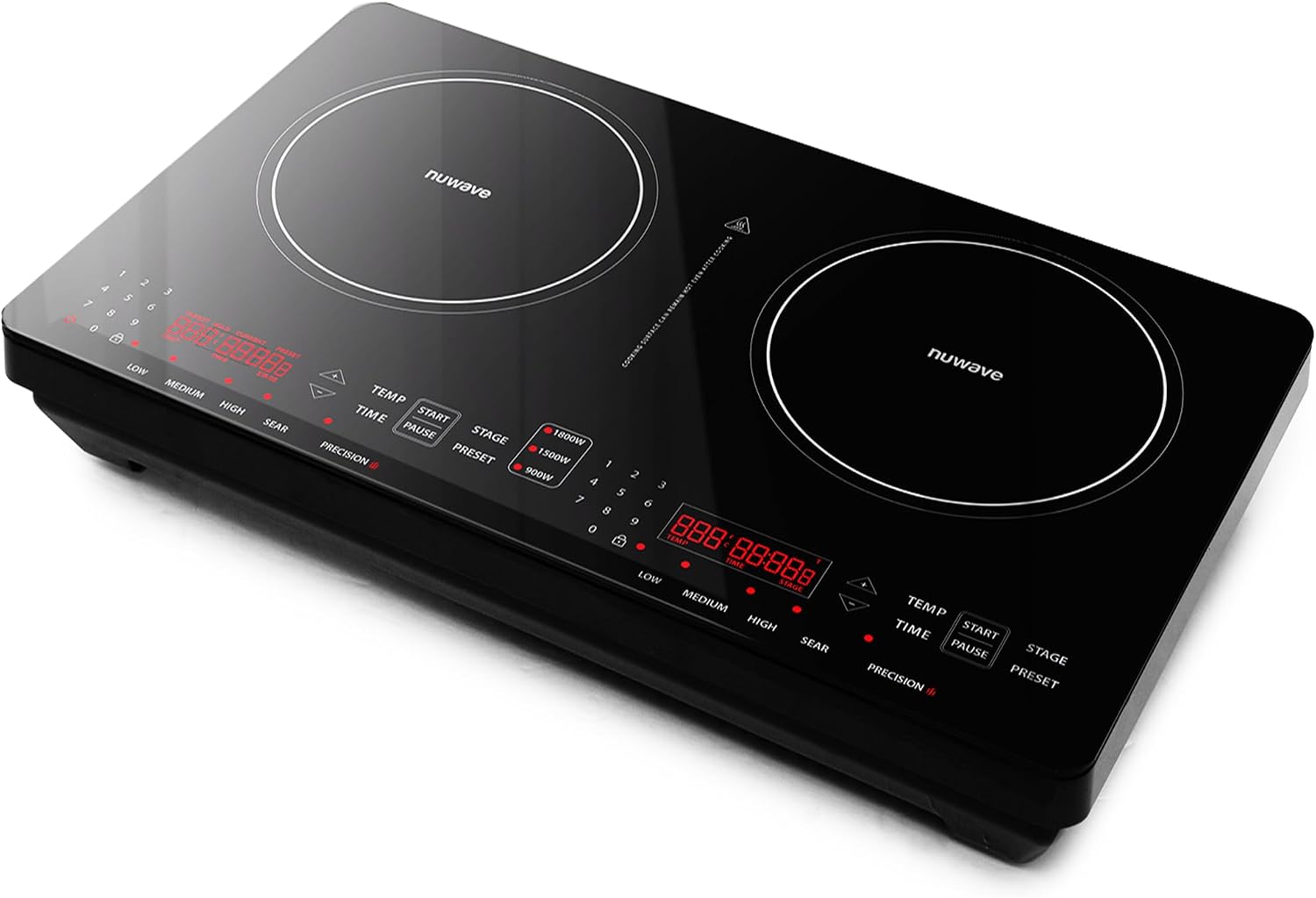
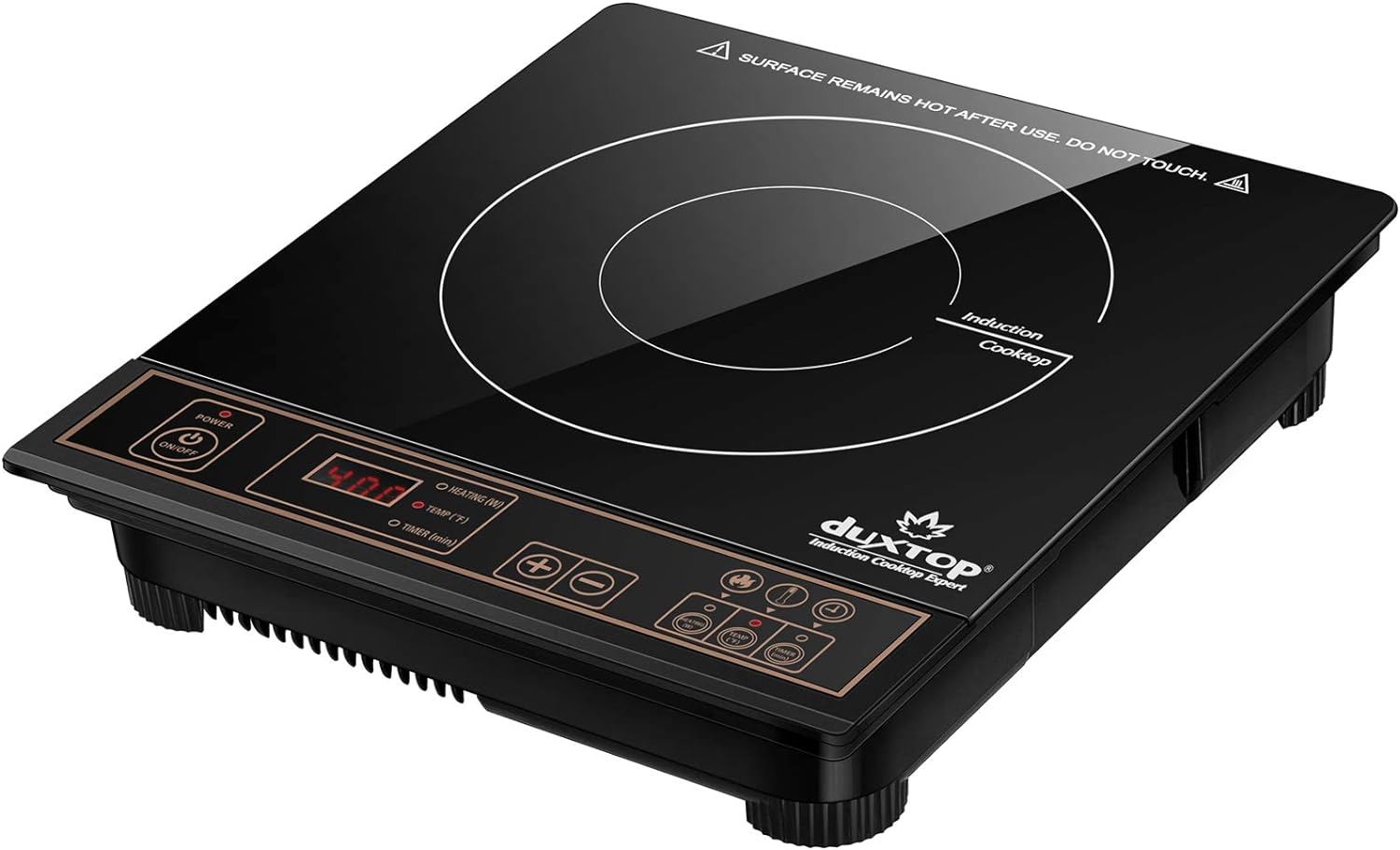
When researching options, comparing features helps buyers find equipment that matches their specific kitchen layout, storage constraints, or travel needs. Whether you need a single heating zone for compact dorms, RVs, or a dual setup for multi-dish cooking, evaluating physical dimensions, wattage limits, and operational controls ensures a practical purchase that fits everyday cooking demands without unnecessary complications or space conflicts on counters.
As an Amazon Associate, StacyLaughs earns from qualifying purchases.
Buying guide
Power and Voltage Requirements
Understanding electrical power requirements is essential when selecting a countertop electric appliance for your home or travel space. Most standard kitchen circuits operate on regular household electrical standards, which places strict limits on total power draw. Operating an 1800-watt burner safely means being mindful of other high-draw kitchen appliances sharing the same circuit to prevent tripped breakers during intensive high-heat cooking sessions.
Reviewing voltage specifications helps you avoid compatibility issues when plugging your unit into standard wall outlets. Portable models are designed specifically to integrate seamlessly into everyday residential electrical setups without requiring specialized wiring or professional installation, making them highly accessible additions for temporary kitchens, RVs, and auxiliary food preparation spaces.
Surface Materials and Cleaning
The physical surface material of an induction cooktop directly influences durability and daily maintenance routines. Ceramic glass tops are engineered to withstand high thermal stress without cracking, offering a smooth platform that resists scratches from regular cookware movement. Because induction technology heats the pan rather than the surrounding glass, spilled liquids are less likely to bake onto the cooler zones.
Cleaning a smooth glass surface requires simple wiping with a damp cloth after the burner has cooled down completely. Avoiding abrasive scrubbers preserves the exterior finish over years of use. Choosing a seamless edge-to-edge glass design further minimizes crevices where food particles can collect, ensuring effortless upkeep for busy households.
Temperature and Power Settings
Control over heat output determines how successfully an induction burner handles delicate sauces versus rapid boiling tasks. Units with multiple power levels and temperature increments allow users to dial in exact heat requirements. Fine adjustments prevent scorching when melting chocolate or simmering sensitive broths, while higher wattages support fast boiling.
Evaluating the range of available settings helps match the appliance to your specific cooking habits. Whether you prefer broad power tiers or granular temperature steps, having clear numerical control ensures repeatable results across different recipes. Always review the minimum and maximum temperature boundaries listed for each model.
Safety Features and Controls
Modern induction appliances incorporate electronic safeguards to protect users during operation. Child safety locks prevent accidental button presses from altering active cooking timers or power levels while meals are unattended. Automatic pan detection ensures the burner deactivates if compatible cookware is removed from the glass surface.
Additional safety elements like residual heat indicators warn users when the glass plate remains warm after cooking concludes. Touch panels and digital interfaces provide clear visibility of active settings, helping reduce operational confusion and enhancing overall safety in busy home environments or compact travel quarters.
Dimensions and Portability
Countertop footprint and overall weight dictate how easily a portable induction cooktop can be stored or transported. Compact single-burner models fit effortlessly into tight cabinet spaces, dormitories, and RV countertops. Assessing item dimensions ensures the unit leaves adequate room for food preparation alongside the appliance.
Lightweight construction is especially beneficial for users who plan to move the burner between indoor kitchens and outdoor camping areas. Double-burner units require a larger surface area but provide expanded capacity for preparing multiple dishes simultaneously, balancing the trade-off between spatial footprint and cooking flexibility.
Cookware Compatibility Basics
Induction cooking relies entirely on magnetic fields to generate heat directly within the base of the cookware. This means traditional glass, ceramic, or aluminum pots and pans will not function unless they feature a compatible magnetic iron or stainless steel bottom. Verifying your existing cookware collection before purchase prevents compatibility frustration.
Checking pan diameter is equally important, as burners require a minimum base size to trigger internal pan detection sensors. Using flat-bottomed, magnetic cookware ensures maximum energy transfer efficiency, reducing wasted power and speeding up cooking times across single and dual-zone models.
Frequently asked questions
What type of cookware do induction cooktops require?
Induction cooktops require cookware with a magnetic bottom to function properly. Compatible materials include cast iron, enameled iron, and magnetic stainless steel. Traditional glass, copper, or standard aluminum pots will not heat up unless they feature a bonded magnetic base plate. You can easily test your existing cookware by placing a refrigerator magnet against the underside of the pan; if it holds firmly, the cookware is induction compatible and ready for use on these portable burners.
Can I use a portable induction burner in an RV or dorm?
Yes, portable induction burners are popular choices for RVs, college dormitories, and tiny homes because they operate on standard 120-volt household electrical outlets. Their compact size and lightweight construction make them simple to store in small cabinets and set up on temporary counter spaces. However, you should always check the total wattage draw against your location's circuit capacity to ensure you do not overload shared electrical breakers while running other heavy appliances.
Why does my induction cooktop make a buzzing sound?
The buzzing or high-pitched sound sometimes heard during induction cooking originates from the cookware itself rather than the appliance. This acoustic vibration often occurs when using multi-layered clad cookware where different metals are sandwiched together in the base. The rapid magnetic oscillations cause these metal layers to vibrate slightly. This is normal behavior and can often be minimized by adjusting the power level or switching to a heavy-gauge single-layer magnetic pan.
How do I clean a ceramic glass cooking surface?
Cleaning a ceramic glass induction surface is straightforward because the cooktop glass does not get as hot as traditional electric or gas coils, which minimizes baked-on food spills. Always allow the burner to cool down completely before cleaning. Wipe the surface using a soft damp cloth and mild dish soap. For stubborn residue, use a non-abrasive pad designed specifically for ceramic cooktops. Avoid harsh scouring powders or steel wool to protect the glass finish.
What safety features are common on induction cooktops?
Common safety features on portable induction cooktops include automatic pan detection, which shuts the unit off within seconds if no compatible cookware is present on the glass. Child safety locks prevent accidental setting adjustments during cooking. Many models also feature automatic shut-off timers that end operation after a set duration, residual heat indicators that warn of warm glass surfaces, and diagnostic error message systems to alert users of voltage irregularities.