Appliances · Buying Guide
Best Japanese Brand Rice Cooker Options for Every Kitchen
Finding the right Japanese brand rice cooker involves carefully matching capacity, heating technology, and program settings to your daily household meals and dietary preferences. These appliances use computerized fuzzy logic systems to monitor temperature, ensuring grains cook evenly without constant manual monitoring. They transform raw ingredients into perfectly textured staples while handling diverse culinary tasks across multiple automated cooking modes.
Whether you are preparing quick weekday side dishes, slow-cooking multi-grain meals, or baking specialty items, modern digital cookers offer tailored menu options for every recipe. Reviewing specific capacities, physical dimensions, and inner pot materials helps you select a dependable appliance that fits seamlessly into your kitchen routine and counter space limitations.
As an Amazon Associate, StacyLaughs earns from qualifying purchases.
Buying guide
Capacity and Household Size
Selecting the correct capacity ensures your Japanese brand rice cooker meets everyday nutritional demands without overcrowding the internal heating chamber. Three-cup uncooked models suit individuals or couples living in compact spaces, yielding ample servings for small single-dish meals without taking up excess counter space. Evaluating your household size prevents purchasing an appliance that proves too restrictive for weekly meal preparation routines or family dinners.
Conversely, five-and-a-half or six-cup versions accommodate larger families, batch cooking schedules, and multi-dish gatherings. Matching your typical guest count and portion requirements prevents appliance underuse while providing enough headroom for grains to expand fully. Careful consideration of these physical volume metrics guarantees that your chosen cooker seamlessly integrates into your daily culinary workflow.
Heating Technology and Fuzzy Logic
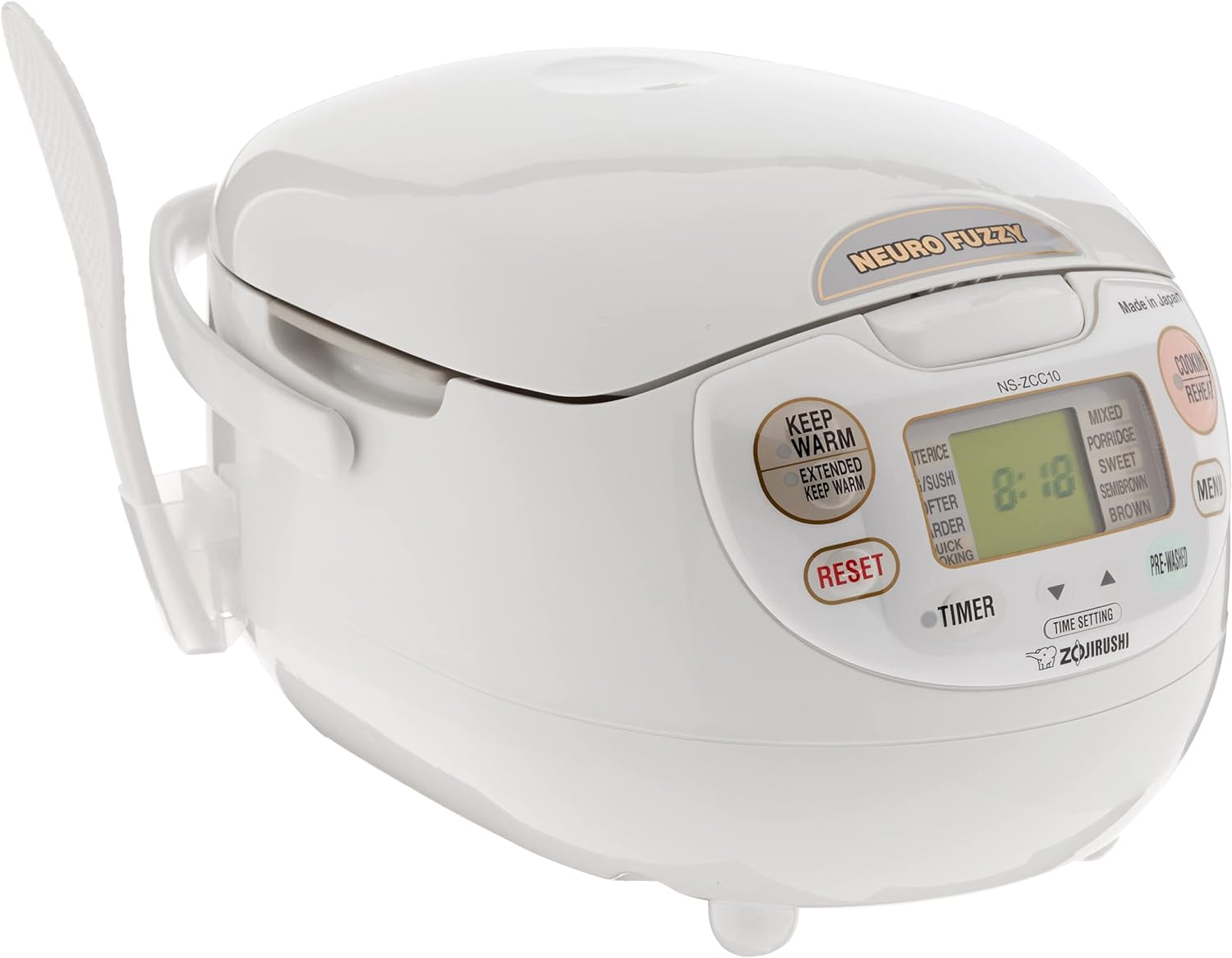
Advanced microcomputer technology plays a crucial role in modern Japanese cookers by regulating temperature fluctuations throughout the entire cooking cycle. Fuzzy logic sensors automatically interpret moisture levels within the pot, making micro-adjustments to heat intensity and duration. This automated intelligence eliminates guesswork, ensuring that white, brown, or mixed grains achieve optimal softness and fluffiness every time.
Multi-dimensional heating systems further enhance performance by distributing thermal energy from the bottom, sides, and lid simultaneously. Such uniform heat circulation prevents uneven spots, scorched grains, or undercooked centers in deeper pots. Prioritizing these computational heating features guarantees reliable texture consistency across diverse recipe types, from standard white rice to complex multi-grain blends.
Inner Pot Materials and Coatings
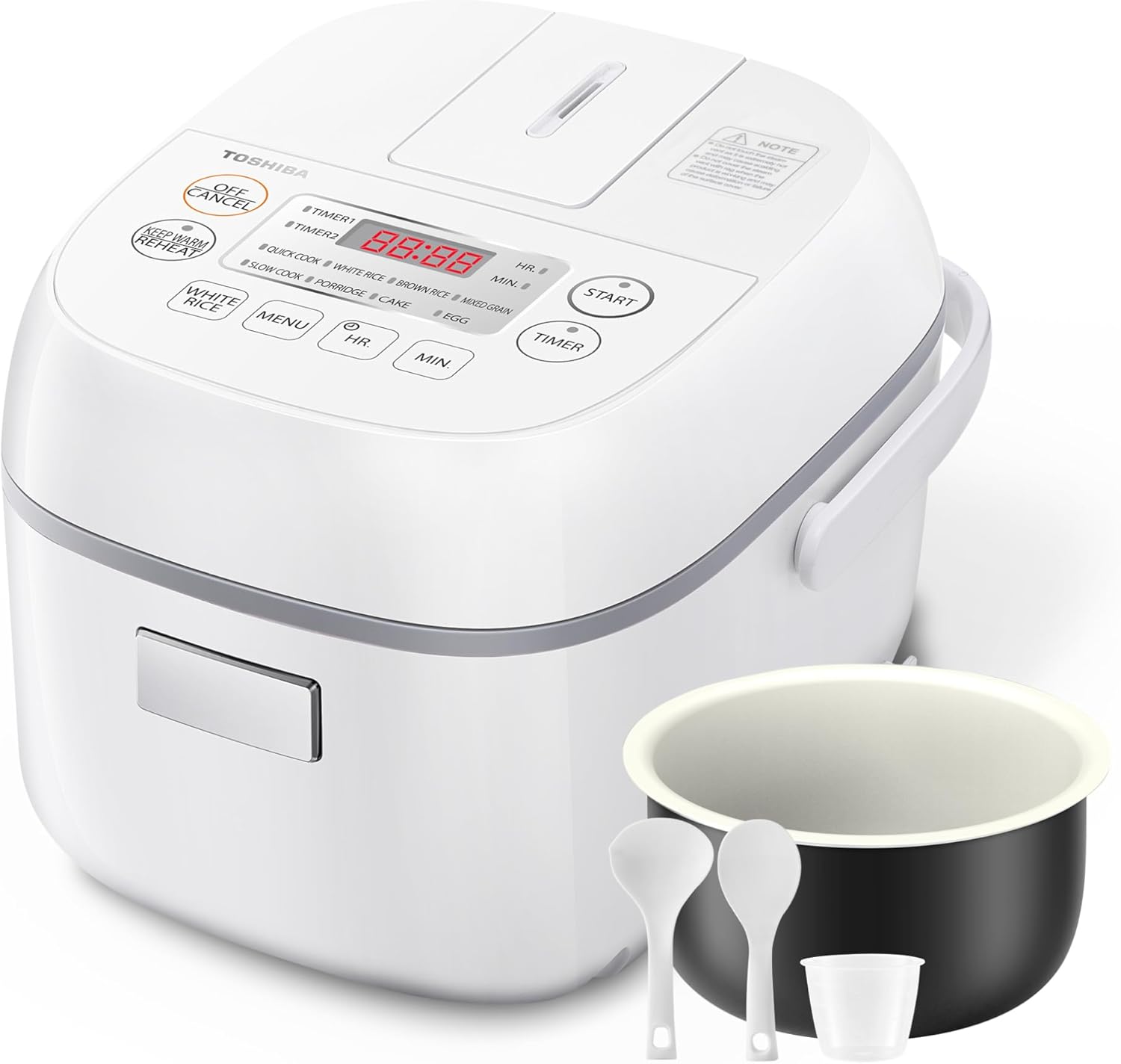
The construction of the inner cooking pot directly influences heat retention, durability, and cleaning ease after meals conclude. Thick aluminum or stainless steel pans layered with nonstick surfaces prevent grains from sticking and burning onto the base. Some models utilize advanced PFAs-free ceramic coatings, offering alternative surface materials for households prioritizing specific manufacturing standards during daily food preparation.
Maintaining these specialized interior coatings requires adhering strictly to manufacturer cleaning guidelines, typically involving gentle hand washing with mild soaps. Avoiding abrasive sponges or dishwasher cycles protects the nonstick layer from premature degradation, preserving the cooking pan's lifespan. Evaluating pot thickness and coating composition helps buyers select a durable design suited for long-term kitchen use.
Menu Functions and Versatility
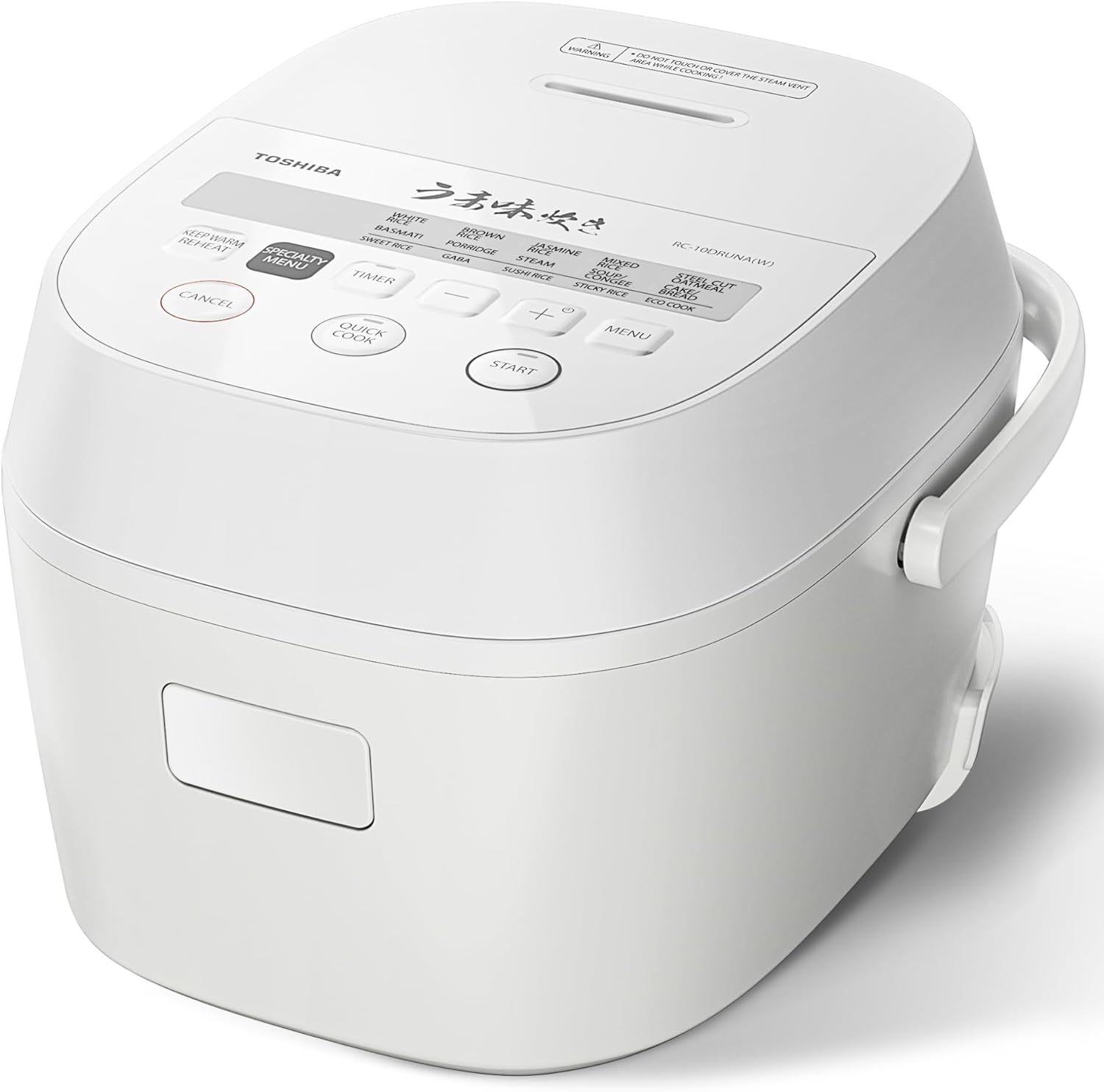
Modern digital rice cookers offer an array of specialized menu functions that extend far beyond preparing basic white rice. Built-in presets for brown rice, porridge, steel-cut oats, and mixed grains automate complex cooking profiles with dedicated temperature curves. Selecting a model with diverse program options transforms a single-purpose appliance into a versatile kitchen tool capable of handling breakfast staples and savory sides.
Advanced units also feature dedicated settings for baking cakes, steaming vegetables, or preparing slow-cooking soups and stews. These multi-functional capabilities reduce countertop clutter by consolidating multiple cooking appliances into one programmable unit. Reviewing available menu selections ensures your chosen cooker supports your preferred recipes and everyday cooking habits without unnecessary complexity.
Timer and Keep-Warm Capabilities
Programmable delay timers offer exceptional convenience for busy households, allowing users to schedule cooking completion times hours in advance. This feature ensures that freshly steamed grains are ready precisely when you sit down for dinner after a long workday. Combining timer settings with automated keep-warm cycles maintains safe serving temperatures for hours without drying out the food.
Extended keep-warm modes and reheating functions provide additional flexibility for staggered meal times or leftovers throughout the day. However, monitoring keep-warm durations prevents degradation in texture and flavor over extended hours in the cooker. Prioritizing these time-management features helps streamline meal planning and accommodates unpredictable family schedules with minimal effort.
Physical Footprint and Storage
Countertop dimensions and physical weight heavily influence how easily a rice cooker fits into your existing kitchen layout. Compact mini models easily tuck into tight cabinet spaces, whereas high-capacity units with wider footprints demand permanent counter placement. Measuring your available depth and vertical cabinet clearance before purchasing prevents frustrating storage incompatibilities in smaller kitchens.
Integrated features like retractable power cords further simplify storage by eliminating dangling wires that clutter countertops and storage shelves. Assessing exterior dimensions alongside cord management options ensures your appliance remains convenient to access and store after daily use. Balancing physical size with your daily cooking output creates an efficient kitchen setup tailored to your spatial constraints.
Frequently asked questions
How do I clean a Japanese brand rice cooker safely?
Cleaning your rice cooker safely requires following specific manufacturer instructions, which generally mandate hand washing rather than using automated dishwashers. After unplugging the unit and allowing it to cool completely, wash the nonstick inner pot, steam basket, and detachable inner lid using warm water, mild soap, and a soft cloth or sponge. Avoid abrasive scouring pads that can scratch the delicate nonstick or ceramic coatings. Wipe the exterior housing and heating plate with a damp cloth, and regularly clean the removable steam valve to prevent residue buildup and ensure proper ventilation during future cooking cycles.
What does fuzzy logic technology do in a rice cooker?
Fuzzy logic technology utilizes an advanced microcomputer sensor to monitor and adjust internal temperature and cooking time automatically. Unlike traditional cookers that follow a single fixed heating pattern, fuzzy logic systems respond dynamically to moisture levels inside the pot. This intelligent adaptability ensures that grains absorb water properly and cook evenly, preventing undercooked centers or scorched bottoms regardless of whether you are preparing white rice, brown rice, or multi-grain blends. The built-in computer essentially removes all guesswork from the cooking process, delivering reliable textures consistently across diverse culinary applications.
Can I use a rice cooker to cook other foods besides rice?
Many modern digital rice cookers feature multiple pre-programmed settings designed to handle a wide variety of foods beyond standard rice. Depending on the specific model, you can prepare oatmeal, porridge, soups, stews, quinoa, and mixed grains with ease. Some versatile units even include dedicated settings for baking cakes, steaming fresh vegetables, or cooking eggs. By utilizing the included steam basket or specialized menu modes, you can expand your everyday meal options and consolidate multiple cooking tasks into a single countertop appliance, saving both time and valuable kitchen storage space.
Why must I use the measuring cup included with the rice cooker?
Using the specific measuring cup that comes packaged with your rice cooker is essential because standard baking cups do not match the volume standards used by manufacturers. A standard rice cooker measuring cup typically holds approximately three-quarters of a standard US cup, which corresponds directly to the water fill lines marked on the inner cooking pot. Following these proprietary cup measurements ensures that your water-to-rice ratio remains mathematically accurate. Using mismatched measuring tools often leads to incorrect liquid levels, resulting in overly mushy grains or hard, undercooked centers that ruin the final texture.
How does the automatic keep-warm function operate?
The automatic keep-warm function activates immediately after a cooking cycle concludes, maintaining a controlled, low-level heat inside the sealed chamber. This feature preserves the moisture and serving temperature of your cooked grains for hours without continuing the active boiling process. Many models offer extended keep-warm cycles or reheating options for added scheduling flexibility. However, leaving rice in the keep-warm mode for excessive hours can eventually affect the texture or moisture balance, so it is best to consume or store the food within the recommended manufacturer timeframes for optimal flavor and quality.