Appliances · Buying Guide
Best Japanese Rice Cooker Choices for Fluffy Grains Every Time
Choosing a reliable appliance for cooking grains transforms everyday meal preparation. Modern kitchen technology utilizes advanced computing to manage internal temperatures, ensuring consistent results across various rice varieties and alternative grains. Selecting the right device depends heavily on understanding how different heating mechanisms, capacities, and specialized menu settings align with your household routine and culinary preferences over time.
Navigating the available market options requires looking closely at physical dimensions, power specifications, and daily maintenance needs. Whether you cook for a large family or require a compact footprint for minimal counter space, examining specific model attributes ensures you find a reliable machine that matches your everyday requirements without unnecessary complications or wasted space in your kitchen.
As an Amazon Associate, StacyLaughs earns from qualifying purchases.
Buying guide
Capacity and Household Size
Selecting the proper capacity ensures your kitchen appliance meets daily meal requirements without taking up unnecessary counter space. Standard five and a half cup models easily accommodate families of four to six people for regular meals. Smaller three cup variants suit couples or individuals who prefer cooking modest portions without excess leftovers. Evaluating your household size before purchasing prevents daily operational inconveniences.
Matching the uncooked grain volume to your typical serving size prevents wasted food and ensures optimal heating performance inside the inner cooking pan during every preparation cycle. Larger households benefit from expanded capacities, whereas compact units offer efficient performance for smaller batches. Carefully reviewing physical capacity specifications helps maintain a smooth cooking routine tailored directly to your home dining habits.
Heating Technology Options
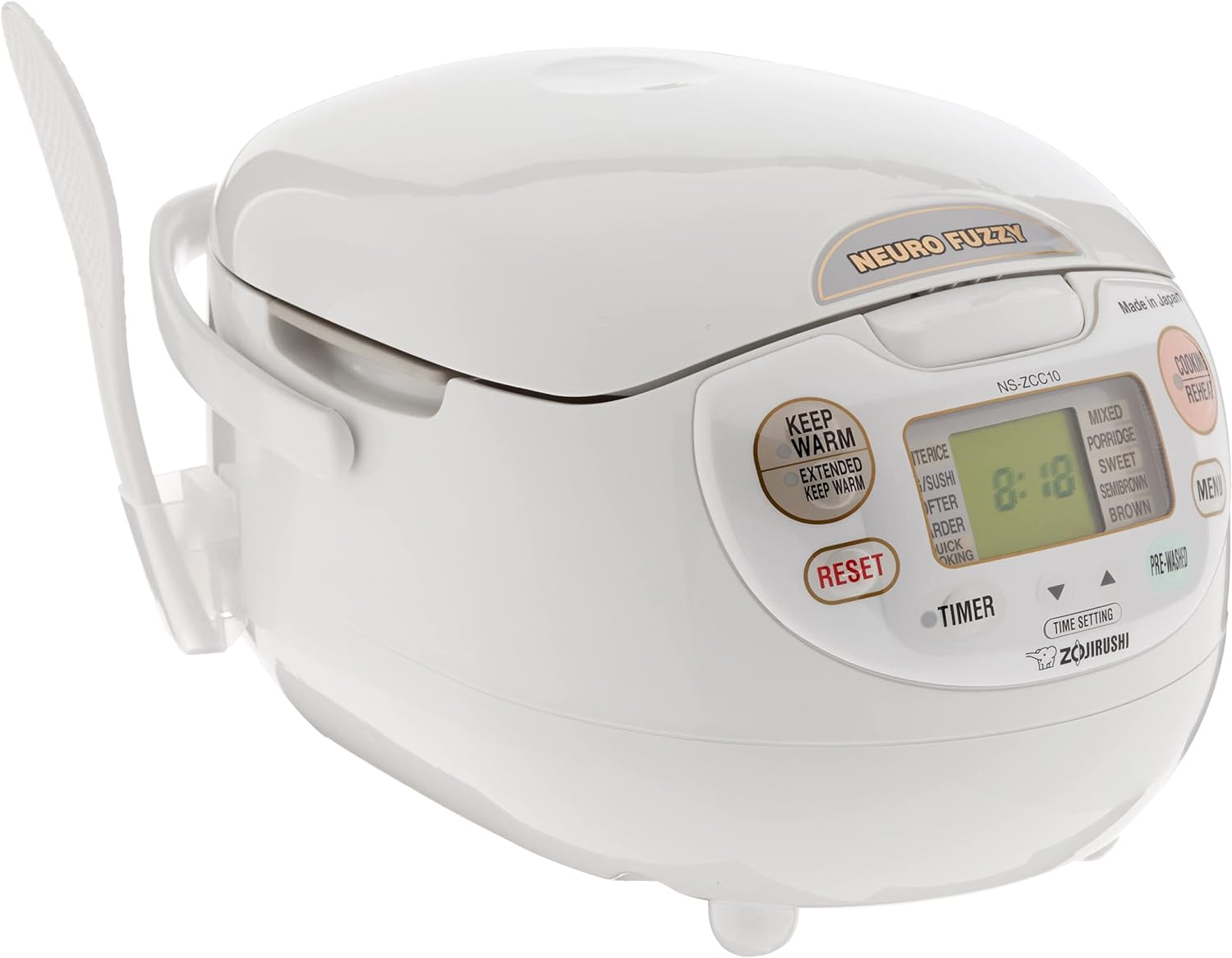
Heating mechanisms significantly influence how evenly grains absorb moisture and achieve desired textures. Traditional thermal heaters rely on bottom heating plates, while micro computerized fuzzy logic systems adjust temperatures dynamically throughout the entire cooking cycle. Induction heating models take performance further by generating high heat directly within the pan walls for fine adjustments and rapid thermal response.
Understanding these heating differences helps buyers choose a machine aligned with their daily culinary expectations. Advanced fuzzy logic and induction technologies provide superior consistency for tricky grains like brown rice or sticky varieties. Evaluating your preferred cooking styles against these available heating methods ensures long-term satisfaction with your kitchen investment without unexpected texture disappointments.
Specialized Grain Settings
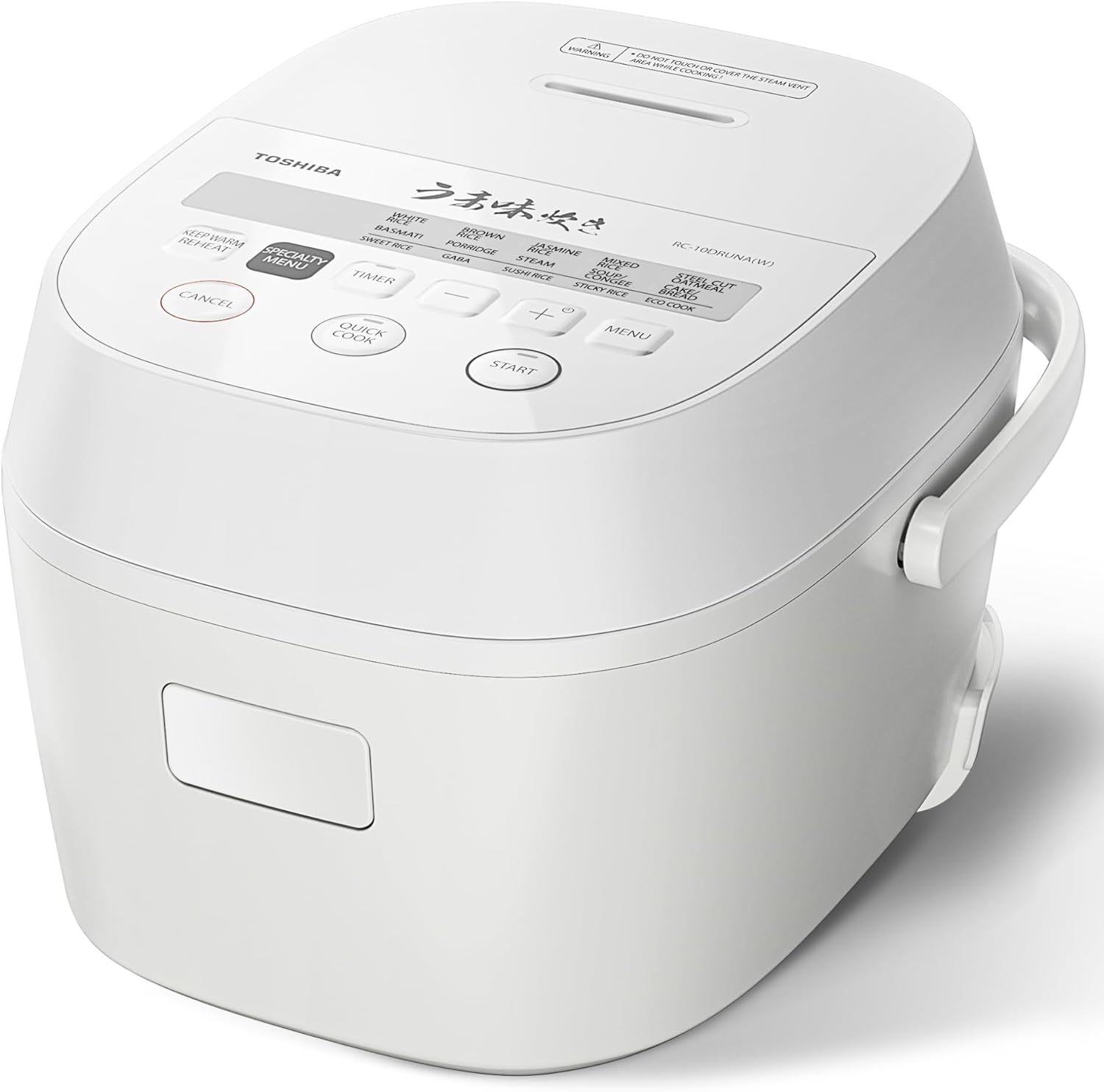
Modern appliances offer specialized menu settings designed to handle various grain types far beyond standard white rice. Specific programmed cycles cater specifically to brown rice, GABA activation, steel cut oatmeal, quinoa, and mixed grain varieties. Each unique program alters internal temperature profiles and resting times to optimize nutrient retention and flavor development for alternative ingredients during every cooking session.
Reviewing available menu options ensures the selected appliance accommodates your diverse dietary preferences throughout the week. If your household frequently consumes specialty grains or morning oatmeal, choosing a unit with dedicated programming eliminates daily guesswork. This expanded culinary versatility transforms a standard single-purpose device into a flexible countertop tool for varied daily meal preparation routines and special recipes.
Maintenance and Cleaning
Proper upkeep preserves nonstick coatings and ensures hygienic food preparation over years of regular use. Most advanced cookers feature removable inner pans, detachable steam vents, and smooth exterior housings that wipe down easily with a damp cloth or soft sponge. Following manufacturer cleaning instructions prevents premature wear on delicate interior surfaces and maintains optimal cooking performance.
Many models require hand washing with mild soap rather than automatic dishwasher cycles to protect specialized nonstick ceramic or traditional coatings. Factoring in these maintenance requirements helps buyers select an appliance that matches their preferred kitchen cleanup routine, balancing daily convenience with the need for careful long-term care of internal components and removable steam caps.
Timer and Keep-Warm Features
Programmable timers and warming functions add significant daily convenience to busy meal preparation schedules. Delay timers allow users to set completion times in advance, ensuring freshly cooked grains are ready precisely when needed for dinner. Automatic keep warm and extended warming cycles maintain ideal serving temperatures for hours without drying out or scorching the food.
Assessing these timing capabilities ensures the appliance adapts smoothly to dynamic household routines and unpredictable schedules. Reliable keep warm modes prevent cooked ingredients from spoiling if family meal times are delayed unexpectedly. Prioritizing these functional additions enhances overall kitchen efficiency and significantly reduces daily cooking stress during hectic weekdays and busy evenings while providing consistent results.
Countertop Footprint and Storage
Physical dimensions and weight dictate how easily an appliance fits onto your kitchen counter and into storage cabinets. Compact models save valuable surface area, while larger multi-function units require dedicated vertical and horizontal clearance during daily operation. Built-in retractable power cords and carrying handles further simplify moving the machine safely between storage spaces and active work areas.
Measuring your available kitchen space carefully before purchasing prevents placement frustrations and ensures comfortable daily operation throughout the year. Evaluating external dimensions alongside cord management features helps you choose a machine that integrates seamlessly into your kitchen layout without causing unwanted countertop clutter or blocking surrounding cabinet doors and drawers.
Frequently asked questions
How do I properly clean my cooker's inner pan and nonstick surfaces?
Cleaning instructions typically require hand washing the inner pan and removable components using mild soap and a soft cloth rather than placing them in a dishwasher. To protect the delicate nonstick coating, avoid abrasive scouring pads or harsh chemical cleaners. Wiping down the exterior housing with a damp cloth removes accidental spills. Additionally, removing and cleaning the top steam vent cap regularly prevents residue buildup, ensuring hygienic operation and preserving the appliance's cooking performance over time.
Can I cook alternative grains like oatmeal or quinoa in a standard rice cooker?
Many advanced models feature specialized menu settings specifically programmed for alternative grains such as steel cut oatmeal, quinoa, mixed grains, and brown rice. These dedicated cycles adjust internal temperatures and cooking durations to accommodate the unique moisture absorption rates of different ingredients. Using the appropriate menu setting prevents messy boil-overs and ensures optimal texture. Always check your model's specific feature list to confirm which alternative grain programs are supported before starting your recipe.
What is the difference between micro computerized fuzzy logic and induction heating?
Micro computerized fuzzy logic technology relies on internal sensors and thermal heaters to adjust cooking temperatures dynamically throughout the cycle, ensuring reliable texture results. In contrast, induction heating systems generate high heat directly within the pan walls using electromagnetic fields, allowing for rapid thermal adjustments and fine-tuned heat control. While both technologies produce excellent fluffy grains, induction models typically offer higher wattage and precise temperature manipulation for advanced culinary applications.
Why is it important to use the measuring cup included with the appliance?
Manufacturers supply specific measuring cups because rice cooker water lines and cup capacities are calibrated precisely to those exact volumetric dimensions rather than standard US baking measurements. Standardizing your measurements ensures the correct water-to-grain ratio for every cooking cycle, preventing undercooked or overly mushy results. Using external measuring cups can alter the liquid balance and negatively impact the final texture of your cooked rice or alternative grains. Always rely on the provided cup for consistent results.
How do delay timers and automatic keep warm functions operate?
Delay timers allow you to program the cooker in advance, setting a specific completion time so your grains finish cooking right when you are ready to eat. Once the cooking cycle finishes, the appliance automatically switches to an keep warm mode, maintaining ideal serving temperatures for hours without scorching the contents. Some models also feature extended warming cycles. These features eliminate the need for constant monitoring and provide flexible meal scheduling for busy households.