Appliances · Buying Guide
Best Japanese Rice Cooker Options for Perfect Texture at Home
Cooking Japanese rice requires precise heat control to achieve the ideal texture, stickiness, and moisture balance. Traditional stovetop methods often demand constant attention, but modern countertop appliances feature micro-computerized logic to adjust temperature profiles dynamically throughout the cooking cycle. This automation ensures grains are neither undercooked in the center nor overly mushy on the outer edges, providing reliable results for everyday meals.
These specialized cookers incorporate multiple pre-set programs tailored specifically for white, brown, sushi, or mixed grain varieties. By selecting the appropriate menu option, home cooks can prepare grains that match traditional preferences without guessing water ratios or timing. Choosing the right appliance depends closely on household size, desired cooking capacity, and available kitchen counter space.
As an Amazon Associate, StacyLaughs earns from qualifying purchases.
Buying guide
Capacity and Household Size
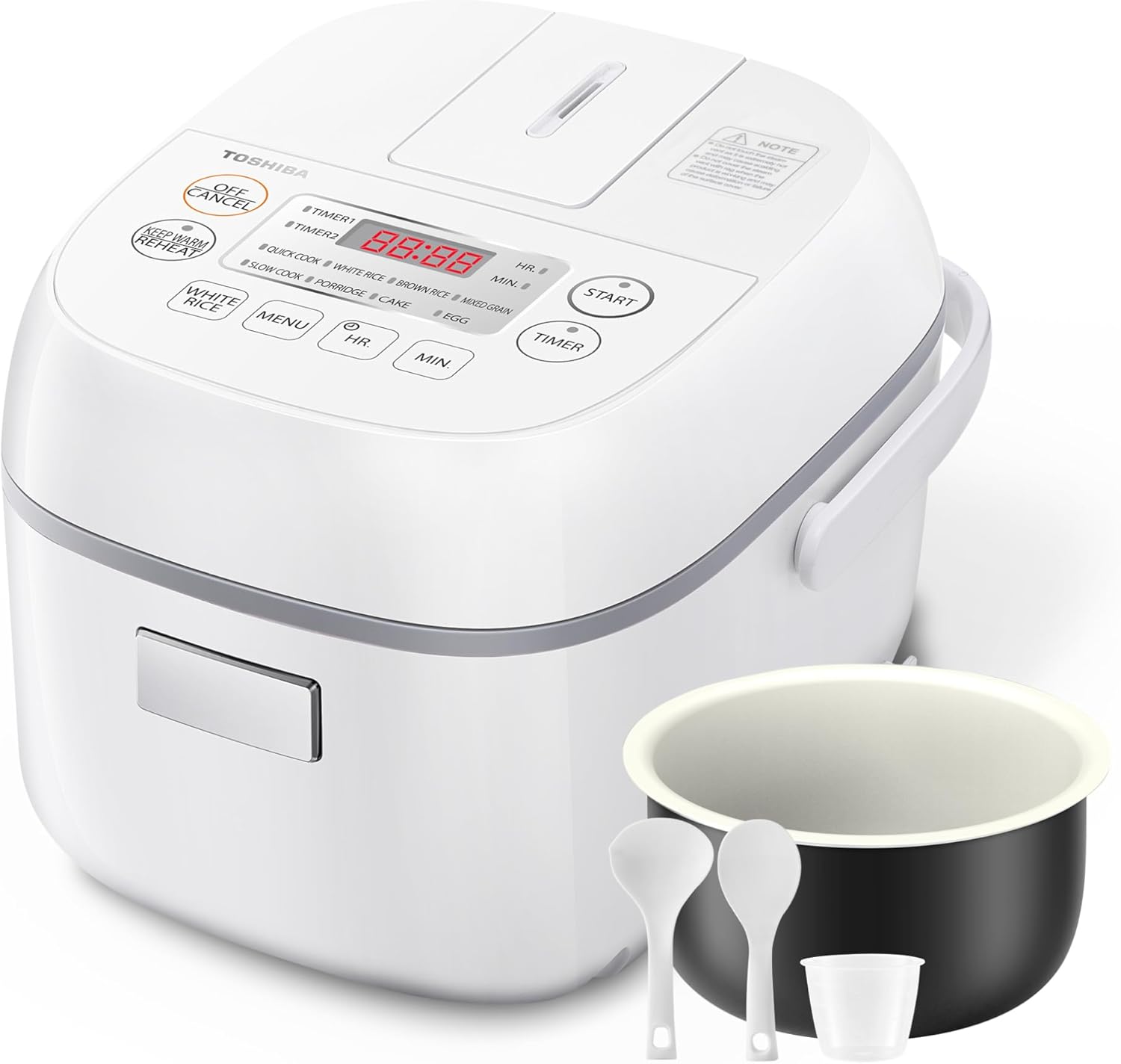
Choosing the right capacity is essential when selecting a rice cooker for your kitchen. Compact models holding three cups of uncooked grain work well for singles or couples. They produce manageable portions without taking up excessive counter space. Larger households require higher-capacity units holding five-and-a-half or ten cups of uncooked rice to ensure everyone receives adequate portions during standard meal times.
Matching the appliance size to your cooking habits prevents wasted food and ensures proper grain expansion. Rice increases significantly in volume during cooking, meaning a small batch cooked in an oversized pot may dry out. Conversely, overfilling a compact cooker can cause starches to bubble over the edge, creating messy countertops and unevenly cooked grains throughout the batch.
Heating Technologies and Fuzzy Logic
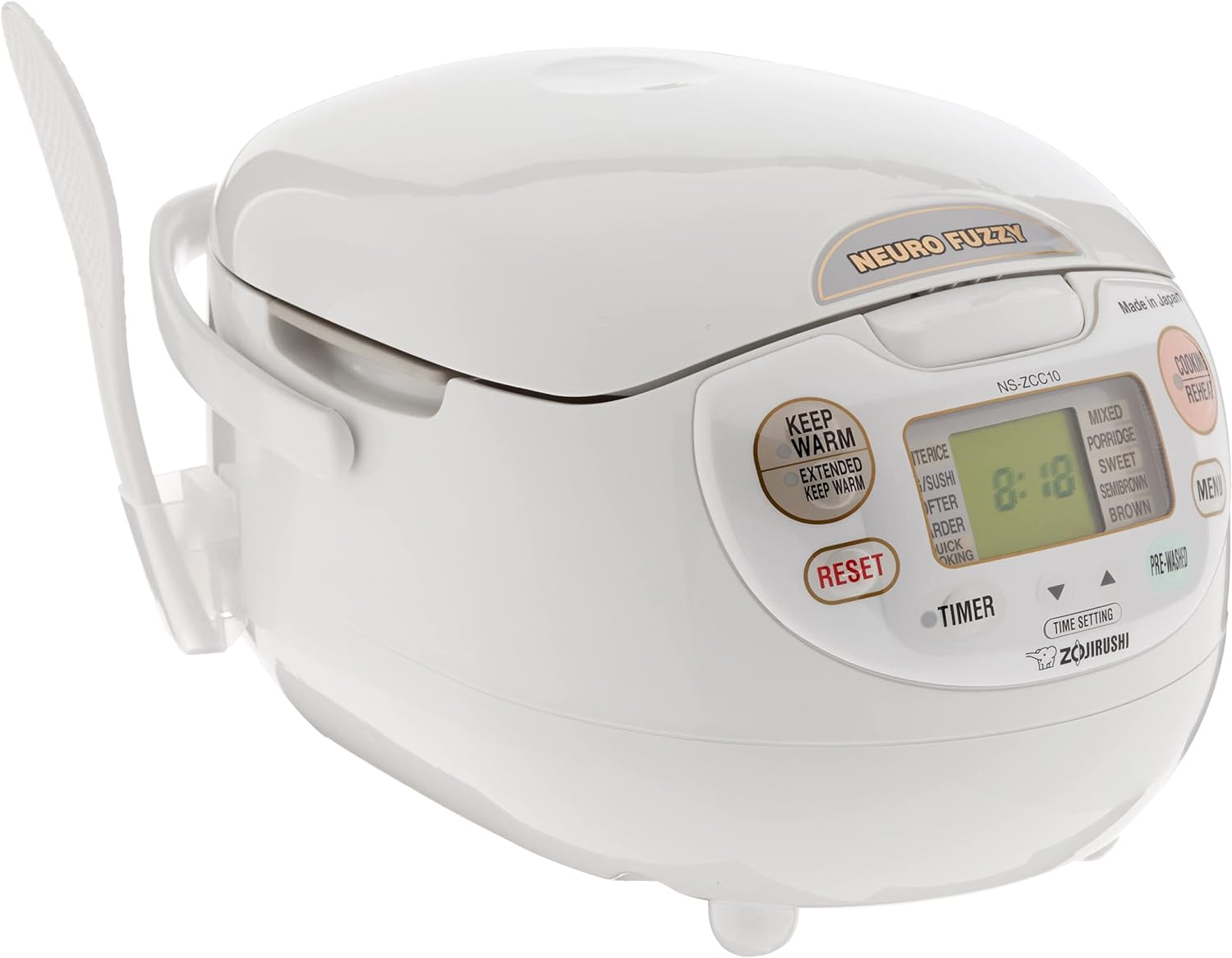
Advanced heating technologies distinguish standard countertop pots from precision Japanese rice cookers. Many modern units employ micro-computerized fuzzy logic systems that dynamically adjust temperature profiles throughout the cooking cycle. This intelligence prevents scorching while ensuring heat penetrates every grain evenly from bottom to lid. Stovetop methods require constant vigilance, whereas these smart chips calculate precise heating adjustments autonomously.
Triple heating elements located at the bottom, sides, and lid further enhance temperature uniformity. This multi-directional thermal distribution eliminates cold spots, ensuring short-grain and medium-grain rice achieves the sticky yet tender texture expected in traditional dishes. Evaluating these heating mechanisms helps buyers select appliances capable of handling delicate specialty grains without manual supervision.
Pre-Set Menu Programs
Modern rice cookers offer diverse pre-set menu programs tailored for specific culinary needs. Beyond standard white rice settings, many appliances feature dedicated options for brown rice, sushi rice, mixed grains, porridge, and oatmeal. These specialized cycles adjust soaking times and boiling temperatures to match the unique starch structures of each grain variety, improving flavor and moisture retention.
Selecting a machine with versatile menu settings expands your daily cooking capabilities beyond simple grains. Some advanced models include slow cook, cake, steam, and soup programs, transforming a single appliance into a multi-functional countertop workstation. Buyers should review available program lists to ensure the cooker supports their preferred recipes and everyday dietary requirements.
Maintenance and Cleaning Ease
Keeping your rice cooker clean ensures long-term performance and hygienic meal preparation. Many units feature non-stick inner pans that prevent cooked starches from adhering stubbornly to the surface. Removable inner lids and detachable steam vents further simplify post-cooking cleanup by allowing users to wash sticky residue away easily without awkward scrubbing or unreachable corners.
Manufacturer care instructions vary between models, with most specifying hand-washing routines for stainless steel exteriors and coated pans. Reviewing these maintenance guidelines helps buyers understand the daily effort required to keep the appliance looking pristine. Selecting a model with easily accessible components reduces cleaning frustration after preparing starchy or sugary dishes.
Storage and Countertop Footprint
Evaluating physical dimensions and storage requirements prevents kitchen crowding. Compact models fit easily on narrow countertops and suit smaller apartment kitchens or RV setups. Larger ten-cup units require substantial surface space and vertical clearance, making them better suited for spacious kitchens with dedicated appliance storage areas or permanent countertop stations.
Built-in features like retractable power cords and fold-down carrying handles enhance portability and streamline cabinet storage. These design elements prevent tangled cords and make moving the cooker safer when transitioning between active use and storage. Assessing your available kitchen space ensures the chosen appliance integrates smoothly into your daily routine.
Timer and Keep-Warm Functions
Programmable delay timers offer exceptional convenience for busy households seeking hot meals on schedule. Users can prep ingredients in advance, set the timer for a specific completion hour, and return home to freshly cooked rice. Automatic keep-warm cycles maintain serving temperatures for hours without drying out the grains, eliminating the rush to serve food immediately after cooking concludes.
Extended keep-warm settings provide additional flexibility by keeping grains warm over longer periods while preventing off-flavors. Evaluating timer range and warm-cycle behavior helps buyers choose appliances that accommodate erratic schedules. These time-management features transform basic rice preparation into a seamless, hands-off cooking experience suited for active modern lifestyles.
Frequently asked questions
How do I measure rice correctly for these cookers?
Measuring rice accurately is crucial for achieving the correct texture in computerized cookers. Manufacturers almost universally include a specialized measuring cup with the appliance. This cup differs in size from standard US baking cups, typically holding about three-quarters of a standard cup. Using the provided measuring tool ensures the water-to-rice ratio aligns precisely with the internal fuzzy logic programming, preventing overly dry or soggy results. Always measure ingredients using the dedicated cup supplied in the box.
Can I cook brown rice in a standard Japanese rice cooker?
Yes, many Japanese rice cookers include specific menu settings designed for brown rice or GABA brown rice activation. Brown rice requires longer soaking and cooking times due to its stubborn outer bran layer. Standard white rice settings will not cook brown grains thoroughly. Selecting dedicated brown or semi-brown menu options allows the internal computer to adjust temperatures and moisture absorption, resulting in tender, digestible grains without requiring pre-soaking steps on the stovetop.
What causes rice to bubble over during the cooking cycle?
Bubbling over usually occurs when the cooker exceeds its maximum capacity for starchy grains or when using incorrect water ratios. Excess starch combined with rapid boiling creates foam that pushes up against the lid and steam vents. To prevent this, always adhere strictly to the maximum fill lines marked inside the inner pan. Rinsing raw rice thoroughly before cooking also removes excess surface starch that contributes to heavy foaming and messy countertop overflows.
How should I clean the non-stick inner pan safely?
Cleaning the non-stick inner pan requires gentle handling to protect the delicate coating from scratches. Most manufacturers recommend washing the pan by hand using warm water, mild dish soap, and a soft sponge. Avoid using abrasive scouring pads, steel wool, or metal utensils, as these tools can permanently ruin the non-stick surface. Letting the pan soak briefly in warm water can help loosen stubborn dried rice grains without requiring aggressive scrubbing or scraping motions.
Can these rice cookers handle foods other than rice?
Many advanced Japanese rice cookers feature multi-cooker capabilities that extend far beyond preparing standard grains. Depending on the specific model, pre-programmed menu options can support cooking oatmeal, porridge, soups, stews, cakes, and steamed vegetables. Units equipped with versatile steam menu settings or slow-cooking modes allow users to prepare entire side dishes or breakfast meals within the same appliance. Always consult the user manual to verify which dishes are compatible with your specific model's programs.