Appliances · Buying Guide
Best Jasmine Rice Pressure Cooker Options for Fluffy Grain Meals
Finding the right appliance for preparing grains can completely change how daily meals come together in a busy home kitchen. When you want perfectly textured grains without constant stovetop monitoring, a dedicated jasmine rice pressure cooker offers specialized cooking cycles designed to handle delicate starches. These modern countertop machines use advanced heating technology and automated pressure controls to manage everything from sticky varieties to quick weeknight side dishes.
Evaluating available capacity, inner pot materials, and preset programs helps match a specific device to your household cooking routines. Whether you need a compact unit for everyday side dishes or a versatile multi-cooker that handles multiple cooking methods, understanding the core features ensures a practical addition to your kitchen counter without unnecessary complexity or guesswork during meal preparation.
As an Amazon Associate, StacyLaughs earns from qualifying purchases.
Buying guide
Evaluating Cooking Capacity and Kitchen Space
When selecting an appliance for your kitchen, matching the stated capacity to your household size is essential for daily meal preparation routines. A standard six-cup or six-quart model typically accommodates medium families, providing enough cooked food for several generous portions without constantly running multiple batches. However, physical dimensions and external footprints vary widely across different manufacturer designs and internal configurations.
Always measure your available counter depth and overhead cabinet clearance before purchasing a bulky countertop unit. Units with deeper physical footprints require dedicated surface areas, while more streamlined shapes fit easily into tighter kitchens. Balancing your actual capacity requirements with your specific kitchen layout prevents storage frustration and ensures comfortable daily use.
Understanding Pressure Versus Non-Pressure Options
Different grain varieties respond uniquely to pressure levels during the cooking cycle. High-pressure settings concentrate heat to soften dense grains, whole wheat varieties, and sticky rice effectively. This method reduces overall cooking duration while creating a denser texture suitable for specific cultural dishes and traditional recipes. Understanding how pressure alters starch gelatinization helps you select the right machine capability.
Conversely, non-pressure cooking allows delicate grains like jasmine or basmati to retain a light, distinct texture without breaking apart. Some advanced appliances offer dual-pressure flexibility, letting you switch between modes depending on what is on the menu. Choosing the right pressure setting ensures optimal results for every meal you prepare at home.
Comparing Inner Pot Materials and Durability
The interior cooking vessel plays a critical role in heat distribution, food safety, and long-term durability. Stainless steel pots offer exceptional resistance to scratching and wear, making them ideal for heavy daily use and metal utensils. Many cooks appreciate their robust construction and straightforward maintenance when preparing various meals, soups, and side dishes throughout the week.
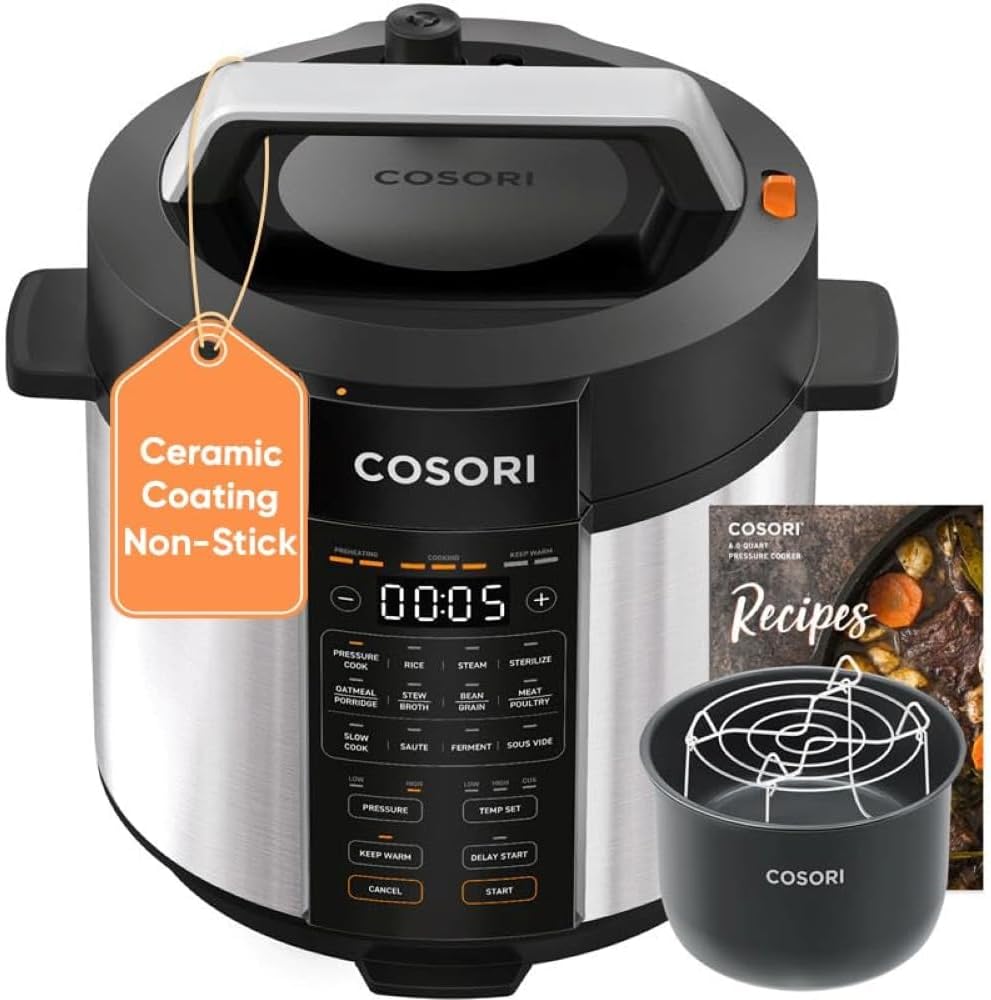
Alternatively, ceramic-coated pots provide a smooth non-stick surface that minimizes food adherence during cooking and sautéing tasks. While these coatings simplify cleanup considerably, they require careful handling with non-metal utensils to preserve the surface finish over time. Evaluating your personal cleaning preferences and cooking habits guides this material choice.
Assessing Heating Technology and Temperature Control
Traditional bottom-plate heating elements warm the base of the pot, which can lead to uneven heat transfer if not managed properly. Modern induction heating technology surrounds the entire cooking vessel with a magnetic field, delivering uniform heat from all sides. This comprehensive thermal coverage ensures that grains cook evenly from top to bottom without cold spots.
Artificial intelligence and smart algorithms further enhance temperature regulation by monitoring internal conditions in real time. These digital controls automatically adjust cooking times and power levels based on the grain type detected inside. Investing in advanced heating mechanisms takes the guesswork out of achieving perfectly fluffy results consistently.
Navigating Preset Programs and Display Interfaces
Modern countertop appliances feature a wide array of preset programs tailored for specific ingredients and cooking methods. Digital LED display panels and touch controls allow users to switch easily between white rice, brown rice, steaming, slow cooking, and yogurt making. Having dedicated buttons for popular items simplifies everyday operation for all household members.
However, extensive menus with dozens of operating modes require a short learning curve to master fully. Reviewing the interface layout ensures you select a machine that matches your comfort level with digital technology. A straightforward display prevents unnecessary confusion when you just want to start a quick cooking cycle.
Reviewing Safety Features and Maintenance Needs
Operating a high-pressure kitchen appliance requires robust safety mechanisms to protect the user during cooking cycles. Look for models equipped with secure locking lids, pressure release valves positioned away from steam paths, and overheat protection. Multiple redundant safety features provide peace of mind while handling high temperatures and pressurized steam daily.
Maintenance requirements also influence long-term satisfaction with your countertop device. Removable inner lids, dishwasher-safe components, and accessible pot gaps make routine cleaning significantly easier after sticky meals. Following manufacturer cleaning guidelines ensures your appliance remains hygienic and operational for years of reliable service.
Frequently asked questions
Can a pressure cooker handle delicate jasmine rice without making it mushy?
Yes, many modern appliances include dedicated non-pressure settings or specialized jasmine grain programs specifically engineered to prevent mushy results. When using a machine with dual-pressure technology, selecting the non-pressure mode allows delicate grains to steam gently without excessive force. Additionally, following manufacturer water ratio guidelines and utilizing built-in smart fuzzy logic algorithms helps maintain the ideal moisture balance, ensuring your jasmine rice turns out light, fluffy, and properly separated every single time you cook.
What is the advantage of induction heating over traditional heating plates?
Induction heating technology completely surrounds the inner cooking pot with a uniform magnetic field, unlike traditional bottom-plate elements that apply heat from a single lower source. This comprehensive thermal coverage delivers faster, more efficient cooking results by heating the entire pot walls simultaneously. Grains benefit from this even temperature distribution, which prevents scorching at the bottom while ensuring top layers cook thoroughly. For households preparing grains frequently, induction heating provides superior consistency across various recipes and ingredient types.
Are stainless steel inner pots better than ceramic-coated pots?
Neither pot type is universally superior, as each offers distinct advantages depending on your cooking style and maintenance preferences. Stainless steel pots provide exceptional durability and resist scratching, allowing the use of metal utensils without damaging the cooking surface. On the other hand, ceramic-coated pots feature a smooth non-stick finish that simplifies food release and cleanup after cooking sticky grains or sautéing ingredients. Your choice ultimately depends on whether you prioritize long-term metal utensil compatibility or effortless non-stick maintenance.
How do safety features work on modern electric pressure cookers?
Modern electric pressure cookers incorporate multiple redundant safety mechanisms to ensure secure operation under high heat and pressure. These typically include secure locking lids that prevent opening while the interior remains pressurized, alongside pressure release valves designed to direct steam safely away from your hands. Overheat protection sensors monitor internal temperatures continuously and shut off power if anomalies occur. Following proper locking instructions and keeping sealing gaskets clean ensures these built-in safety features function correctly during every meal preparation.
Is it difficult to clean a multi-function pressure cooker after cooking?
Cleaning a multi-function pressure cooker is generally straightforward, provided the appliance features accessible design elements like widened pot gaps and removable inner lids. Many models include dishwasher-safe accessories, inner pots, and detachable lid components that simplify post-cooking maintenance. Stainless steel housing and fingerprint-resistant exteriors also help wipe down easily with a damp cloth. Following manufacturer product care instructions ensures you maintain the hygiene and longevity of your countertop cooker without excessive scrubbing or complicated cleaning routines.