Appliances · Buying Guide
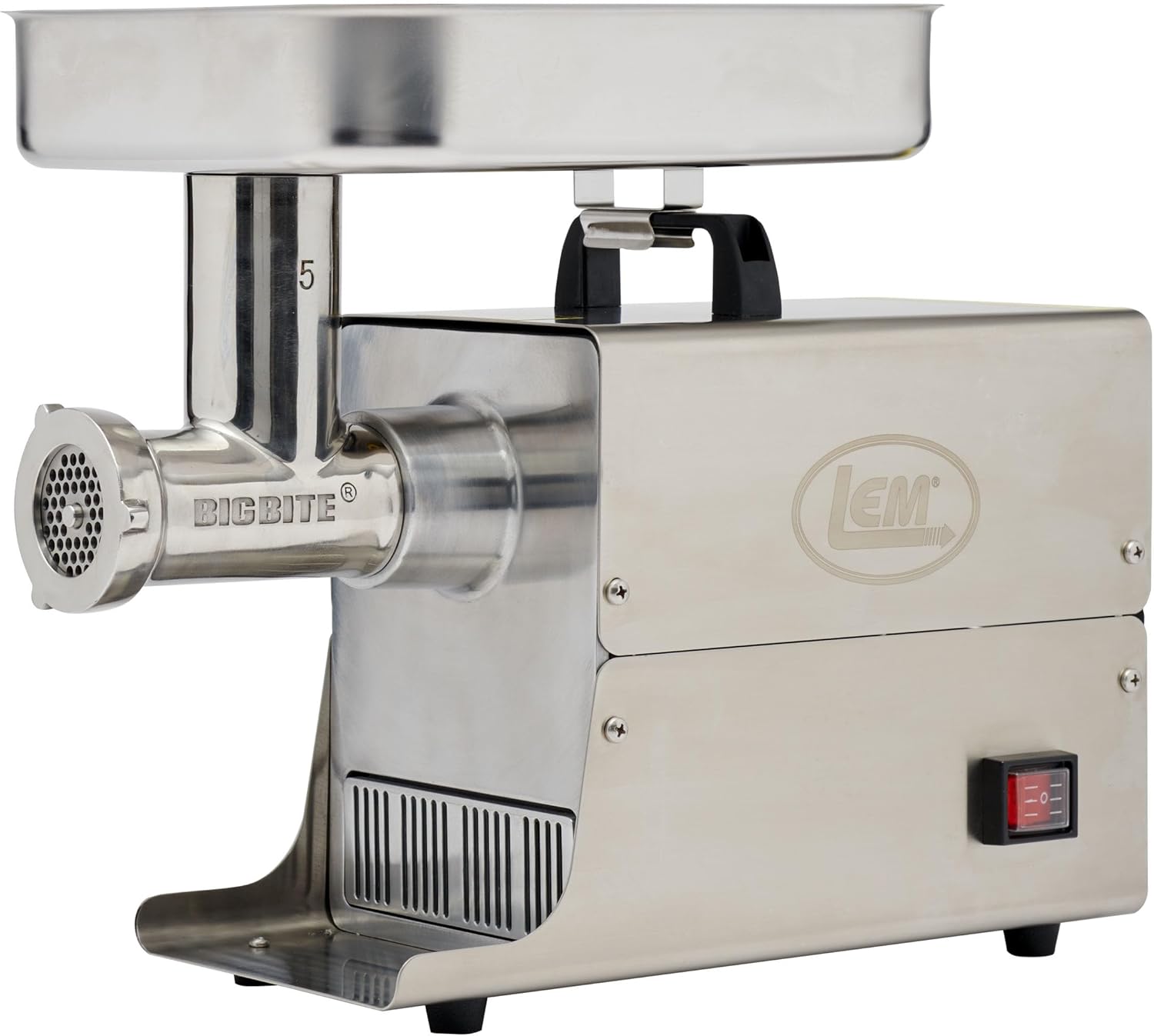
Best LEM Meat Grinders For Home Processing And Sausage Making
Finding the right equipment to process meat at home can completely transform how you handle bulk purchases and harvested game. Modern electric meat grinders bring robust power directly to your kitchen counter, allowing you to prep fresh burgers, custom sausages, and pet food with complete control over your ingredients and overall quality.
Choosing the ideal machine depends heavily on your typical batch sizes, motor capacity, and metal construction preferences. Whether you need a heavy-duty stainless steel unit for frequent large-scale processing or a compact model for occasional weekend meals, understanding the specific operational capabilities of each grinder ensures a practical long-term investment for your kitchen workflow.
As an Amazon Associate, StacyLaughs earns from qualifying purchases.
Buying guide
Motor Power and Processing Speed
Selecting the right electric meat grinder starts with evaluating motor horsepower and processing speed to match your typical batch sizes. Higher horsepower motors, such as 0.75 HP units, easily process up to 11 pounds of meat per minute, making them ideal for large hunting harvests. Moderate motors around 0.5 HP or 500 watts handle 4 to 7 pounds per minute, serving everyday family meal preparation effectively.
Matching motor capability to your actual workload prevents unnecessary strain during extended grinding sessions. If you only process small amounts of meat occasionally, lower-wattage models provide sufficient speed without demanding excessive electrical draw. Assessing your frequency of use ensures you choose a machine that balances rapid output with dependable long-term motor longevity.
Material Construction and Durability
The physical materials used in a meat grinder dictate its longevity, cleaning requirements, and overall hygiene during food preparation. Stainless steel models offer exceptional corrosion resistance, rugged durability, and long-term reliability for frequent users who demand pro-level standards. Aluminum alternatives provide a lighter, sturdy framework that remains highly effective for standard home kitchens when maintained properly.
Evaluating your cleaning preferences helps determine which metal type best suits your routine kitchen habits. Stainless steel components withstand frequent washing cycles with minimal wear, while aluminum parts require careful hand washing with warm soapy water to maintain their finish. Prioritizing robust construction ensures your appliance withstands years of regular grinding, stuffing, and mixing without structural degradation.
Bone Grinding Capabilities
Certain heavy-duty electric meat grinders feature powerful motors and robust internal gears capable of processing raw animal bones alongside standard cuts. This specialized capability is particularly valuable for pet owners who prepare raw diets from scratch using leftover scraps and frames. However, many standard home grinders explicitly prohibit bone processing to protect internal gears from premature damage.
Reviewing manufacturer specifications regarding bone processing prevents accidental motor stalls and costly mechanical failures during operation. If your culinary routine involves grinding whole poultry frames or game bones, investing in a high-horsepower stainless steel unit is essential. Conversely, if you only grind boneless beef, pork, and venison, standard non-bone-rated grinders offer more than enough performance for your needs.
Sausage Stuffing Features
Transforming a meat grinder into a functional sausage stuffer expands its utility beyond simple burger and pet food prep. Many electric grinders include a full set of stuffing tubes and specialized plates designed to feed ground meat smoothly into casings. This integrated functionality eliminates the need for a separate dedicated stuffing machine, saving valuable kitchen storage space.
Checking the included tube sizes ensures you can create everything from slender breakfast links to thick bratwursts with ease. While dedicated stuffers offer separate speed controls, multi-purpose grinders equipped with stuffing accessories provide a convenient all-in-one solution for occasional sausage makers. Evaluating your sausage-making ambitions helps determine whether an included tube kit satisfies your culinary goals.
Noise Levels and Operation Design
Kitchen appliance noise levels vary significantly based on motor design, gear construction, and engineering dampening features. Modern electric meat grinders often incorporate noise-dampening technology to reduce operational volume, making indoor processing much more pleasant for household members. If you share living spaces or prefer a quieter kitchen environment, prioritizing models engineered for noise reduction is a practical consideration.
Operating convenience also extends to features like push-button forward controls and pulse reverse functions that effortlessly clear unexpected jams. These operational aids minimize frustration when dealing with tough connective tissue or gristle during large batches. Balancing quiet motor engineering with reliable jam-clearing mechanisms ensures a smoother, more efficient grinding experience from start to finish.
Storage Footprint and Kitchen Fit
Countertop space and physical dimensions heavily influence how practical an electric meat grinder will be in your daily routine. Heavy-duty commercial-style units often measure over twenty inches in length and carry substantial weight, requiring permanent counter placement or dedicated heavy shelving. Compact models offer smaller footprints that fit easily inside standard kitchen cabinets between uses.
Assessing your available storage space before purchasing prevents appliance clutter and ensures effortless setup whenever you need to process meat. If you lack permanent counter space, a lighter countertop grinder with quick disassembly allows for convenient retrieval from storage. Balancing physical size against your processing volume guarantees the appliance integrates seamlessly into your kitchen environment.
Frequently asked questions
Can all electric meat grinders process raw animal bones?
No, not all electric meat grinders are designed to process animal bones. While heavy-duty commercial-grade stainless steel models with powerful motors can handle raw chicken bones for specialized pet food preparation, most standard home grinders strictly prohibit bone processing. Attempting to grind bones in a machine not rated for it can severely damage internal gears, stall the motor, and void factory warranties. Always review the manufacturer specifications and intended uses before attempting to grind any bones.
How do I clean and maintain my electric meat grinder after use?
Proper maintenance requires disassembling all removable parts, including the head, auger, cutting knife, plates, and tray, immediately after use. Wash these components thoroughly in warm soapy water using a non-abrasive sponge, then dry them completely before reassembling or storing. Avoid running polished aluminum parts through a dishwasher, as harsh detergents can discolor or pit the metal surface. Following manufacturer guidelines for permanently lubricated motors ensures smooth mechanical operation over years of regular use.
Can I use a meat grinder to make homemade sausages?
Yes, many electric meat grinders come equipped with a complete set of sausage stuffing tubes and dedicated adapter plates. After grinding your seasoned meat mixture, you can remove the cutting knife and insert a stuffing tube to push the meat directly into natural or synthetic casings. While dedicated standalone stuffers offer separate speed controls for high-volume production, multi-purpose grinders provide a convenient, space-saving all-in-one solution for casual sausage making at home.
What is the difference between aluminum and stainless steel grinders?
Stainless steel grinders offer superior corrosion resistance, exceptional durability, and a polished pro-level finish that withstands frequent heavy-duty processing without pitting. They are typically found on higher-end commercial-quality models built for extensive home use. Aluminum grinders provide a lighter, durable alternative that keeps upfront costs lower while still delivering reliable performance for occasional meal preparation. Both materials clean easily with warm soapy water when maintained according to manufacturer instructions.
What should I do if the meat grinder jams during operation?
If a meat grinder jams due to tough gristle or connective tissue, first stop the motor immediately. Many modern electric grinders feature a convenient pulse reverse function or button that spins the auger backward to clear trapped material without requiring full disassembly. If your model lacks a reverse switch, turn off the power, unplug the unit, and carefully remove the head and internal components to clear the obstruction manually.