Appliances · Buying Guide
Best LEM Big Bite Meat Grinder Models for Home Processing
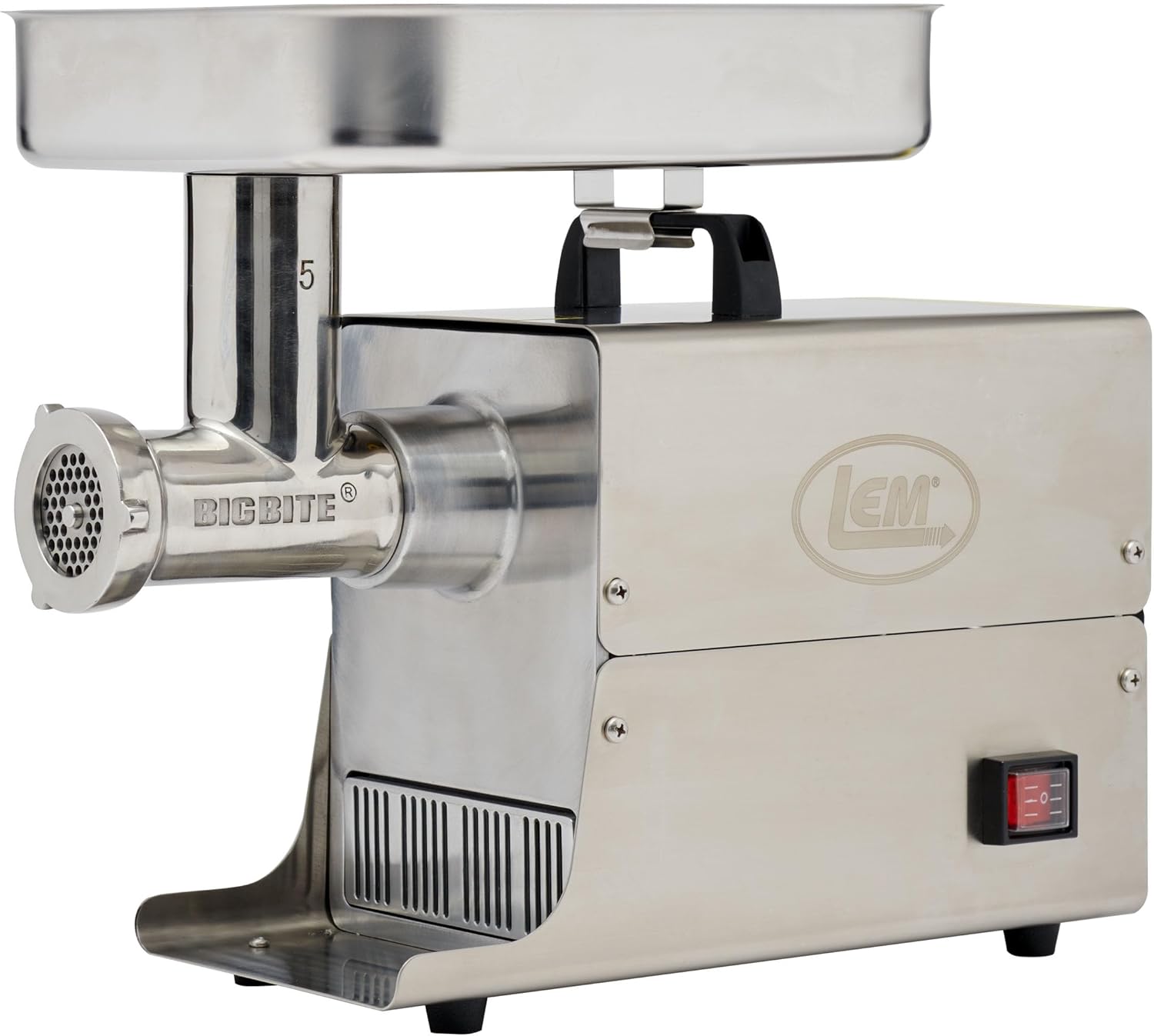
Choosing a reliable electric meat grinder for your home kitchen transforms how you handle bulk meat purchases, fresh sausage making, and wild game processing tasks. The LEM Big Bite series offers various motor sizes and processing capacities tailored to everything from compact meal prep to heavy-duty, large-batch processing requirements without complicated setups.
Durable stainless steel construction, thoughtful noise-dampening engineering, and included accessories like plates, cutting knives, and sausage stuffing tubes make these appliances versatile kitchen additions. Carefully examining the differences in motor power, processing speed, and batch handling helps you select the ideal machine for your specific home cooking routines and volume needs.
As an Amazon Associate, StacyLaughs earns from qualifying purchases.
Buying guide
Motor Horsepower and Power Needs
Selecting the right horsepower for your electric meat grinder dictates how efficiently the machine handles tough connective tissue, dense muscle cuts, and continuous workloads. Entry-level home models typically feature smaller motors around 0.35 horsepower, which suit occasional small-batch meal preparation and lighter tasks. Stepping up to mid-range and heavy-duty options introduces motors ranging from 0.5 to 1.5 horsepower, providing the robust torque necessary for frequent processing without overheating the internal components.
Matching your power selection to your typical ingredients prevents premature wear on the appliance. If you plan to grind tough game meats or raw bones regularly, a higher horsepower motor is essential. Conversely, sticking to standard boneless beef and pork for burger night allows you to operate smaller motors efficiently. Always evaluate your electrical outlet capacity as well, since high-horsepower commercial-grade motors draw significantly more electrical current during extended grinding sessions.
Processing Capacity and Speed
Processing capacity measures how many pounds of meat a grinder can successfully output per minute during continuous operation. Compact home units generally process around four pounds per minute, making them ideal for quick family meals and smaller weekend projects. Larger commercial-style machines scale this output dramatically, handling anywhere from seven to seventeen pounds per minute to accommodate hunters and homesteaders managing substantial bulk meat supplies.
Evaluating your speed requirements helps you avoid bottlenecks when preparing large quantities of food. While higher speeds save considerable time during massive butchering sessions, they also demand faster feeding through the meat tray and prompt handling of output containers. Consider your personal rhythm and batch size when choosing between high-speed output and compact, manageable processing rates that fit comfortably into your regular kitchen routine.
Construction Materials and Durability
Stainless steel construction forms the backbone of reliable, long-lasting meat grinders designed for repeated kitchen use. This material resists corrosion, handles frequent washing with warm soapy water, and maintains a sanitary surface for food preparation. Choosing a model with stainless steel internal heads, grinding plates, and exterior housings ensures that your appliance withstands the rigors of heavy meat processing without degrading over years of regular service.
Durability also extends to internal mechanical elements, such as permanently lubricated motors and robust gear systems that operate smoothly under heavy loads. While plastic components appear in minor accessories like stuffing tubes, core structural elements built from solid metal guarantee structural integrity. Investing in a sturdy stainless steel build protects your upfront investment, ensuring consistent performance whether you are grinding weekly family burgers or processing seasonal wild game.
Included Accessories and Attachments
A comprehensive set of included accessories greatly expands the versatility of your meat grinder right out of the box. Most quality units come equipped with multiple stainless steel grinding plates featuring varying hole sizes for fine, medium, or coarse textures, along with a matching cutting knife and a meat stomper for safe feeding. These components allow you to customize your output for hamburgers, chili meats, or pet food preparation.
Sausage stuffing tubes are another valuable inclusion, enabling you to transform your grinder into a dual-purpose sausage maker for links and bulk casings. Some advanced configurations also provide specialized plates, dual-blade knives, or bushing removal tools to simplify maintenance. Reviewing the supplied attachment package ensures you have all the necessary tools for your specific culinary projects without needing to purchase separate compatible components later.
Kitchen Footprint and Storage Space
Assessing your available counter and cabinet space is crucial before selecting a meat grinder due to the wide variation in physical dimensions across different models. Compact home units often feature a smaller footprint, measuring under fourteen inches in length, which allows for straightforward placement on standard countertops and easier storage in standard kitchen pantries. In contrast, heavy-duty commercial-style appliances require dedicated counter space and considerable lifting strength.
Heavy and bulky machines can prove cumbersome to move frequently, making a permanent station or sturdy utility cart an important consideration for frequent users. When planning your purchase, measure your storage height and depth to ensure the unit fits comfortably when not in use. Balancing physical size against your processing volume ensures you get a machine that meets your grinding needs without overwhelming your kitchen workspace.
Maintenance and Cleanup Demands
Regular maintenance and thorough cleaning are essential steps for keeping your meat grinder hygienic and operating smoothly over its lifespan. Units designed for easy disassembly allow you to quickly remove the head, tray, plates, and knife for washing in warm soapy water after every use. Permanently lubricated motors eliminate the hassle of internal oiling, letting you focus entirely on cleaning the food-contact surfaces according to standard kitchen safety practices.
Proper storage of removable parts helps prevent misplaced components and protects sharp cutting edges from damage. Built-in storage trays on select models provide convenient organization for plates and knives directly on the unit. By choosing a grinder engineered for straightforward breakdown and upkeep, you ensure that post-cooking cleanup remains manageable, encouraging regular use of your appliance for homemade meals and custom sausage preparations.
Frequently asked questions
Can these electric meat grinders process animal bones?
Certain heavy-duty LEM Big Bite models featuring higher horsepower motors, such as the 0.75 HP and 1.5 HP configurations, are specifically engineered to handle raw chicken bones alongside standard meats like beef, pork, and venison. However, compact models and standard 0.5 HP units are strictly designed for boneless meat preparation and should never be used with bones. Always review the manufacturer specifications for your exact grinder model before attempting to process bones to avoid damaging the internal components and motor.
What accessories typically come included with a Big Bite grinder?
Most LEM Big Bite meat grinder packages include a complete set of stainless steel grinding plates featuring various hole sizes, a durable cutting knife, a meat stomper for safe feeding, and multiple plastic sausage stuffing tubes. Depending on the specific model variation, you might also receive specialized plates, a dual-blade knife, or a bushing removal tool to assist with maintenance. These included items provide everything necessary to start grinding meats and stuffing fresh sausages right out of the box.
How do I properly clean and maintain my electric meat grinder?
Cleaning your meat grinder involves easily disassembling the stainless steel head, tray, grinding plates, and cutting knife immediately after use, then washing all food-contact parts thoroughly in warm soapy water. Dry each component completely before reassembling or storing. The internal motor is permanently lubricated, meaning it requires no routine oiling. Keeping the removable plates and cutting knife organized in a dry space prevents corrosion and maintains their sharp edges for future food preparation sessions.
What is the difference between standard models and the dual grind version?
Standard LEM Big Bite meat grinders process meat through a single selected plate per pass, requiring you to swap plates or run the meat through a second time if you desire a finer texture. In contrast, the dual grind model utilizes a specialized multi-plate system that delivers two grinds in a single pass through the machine. This specialized design speeds up fine texture processing, making it a convenient choice for cooks looking to save time during burger and sausage preparation.
How much counter space do I need for these kitchen grinders?
Counter space requirements vary significantly depending on the motor size and processing capacity of the specific grinder model you select. Compact home units feature shorter lengths around fourteen inches, fitting easily on standard countertops and inside typical cabinets. Larger commercial-grade appliances measure over twenty inches long and require substantial permanent counter space or a dedicated utility cart due to their heavier physical dimensions and substantial weight during operation and storage.