Appliances · Buying Guide
Best LEM Products Meat Grinder Options for Home Processing
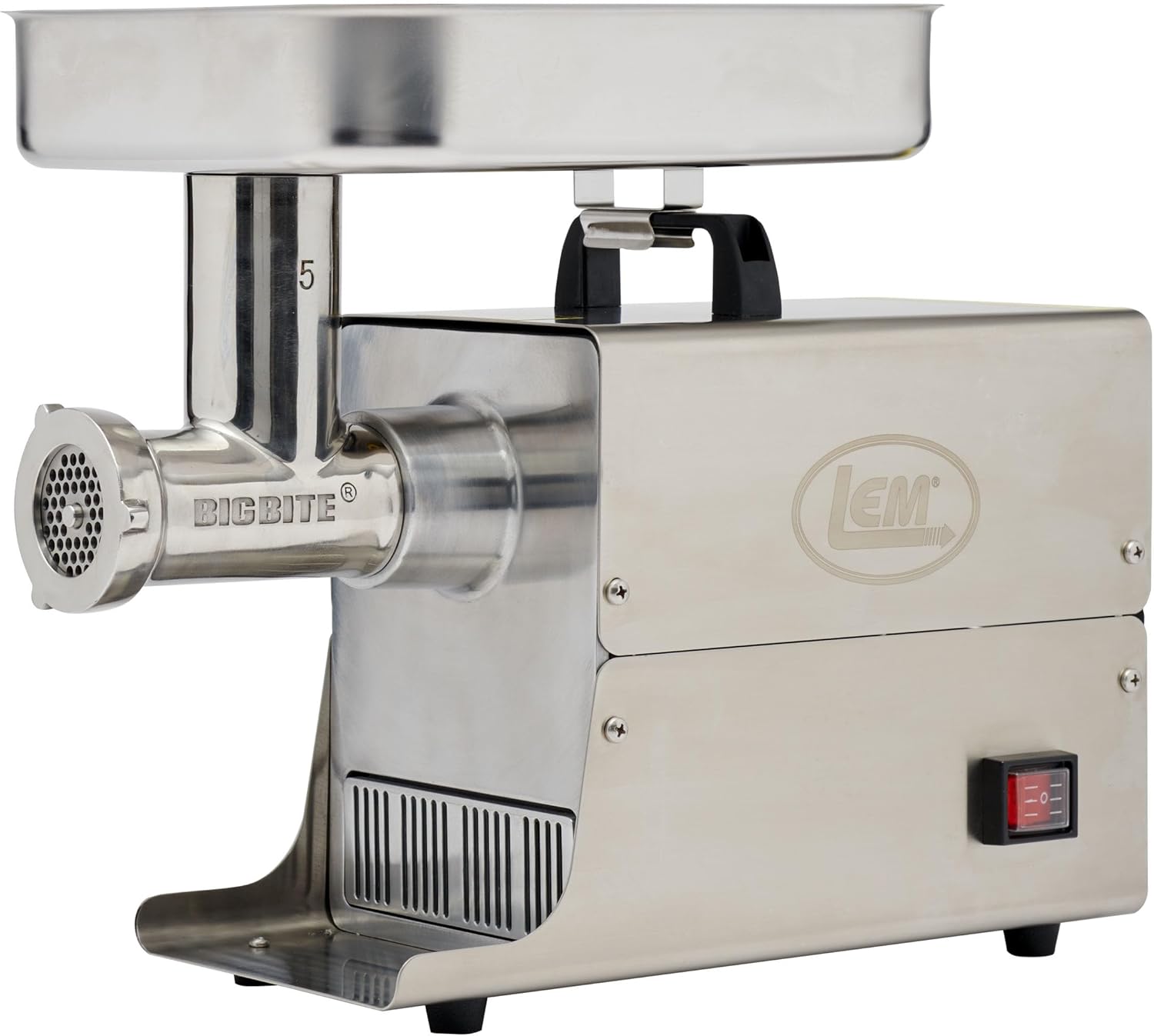
Finding the right equipment to process meat at home can significantly change how you handle bulk purchases, household meal prep, and wild game. LEM Products offers various electric meat grinder models designed to manage everything from occasional household cooking tasks to heavy-duty commercial-style workloads right in your kitchen space safely and efficiently.
Whether you need a compact machine for making small batches of fresh burgers or a powerful commercial-quality unit capable of handling massive quantities quickly, understanding the core specifications helps match a grinder to your exact processing style, daily output requirements, and available kitchen counter space without unnecessary guesswork.
As an Amazon Associate, StacyLaughs earns from qualifying purchases.
Buying guide
Motor Power and Horsepower Ratings
Selecting the right motor power is essential for matching a meat grinder to your specific processing habits. Models range from compact 575-watt options up to robust 1.5 horsepower commercial-style motors. Higher horsepower ratings provide the necessary torque to handle tough connective tissue, large volumes, and demanding tasks without bogging down during operation.
Lighter motors suit occasional household meal prep and smaller batches of fresh burgers. Evaluating your typical workload prevents you from purchasing an underpowered machine or overspending on commercial capacity that exceeds your daily cooking requirements.
Processing Capacity and Speed
Processing speed determines how quickly you can convert bulk meat cuts into finished ground products for cooking or long-term freezer storage. LEM grinders vary from compact rates of four pounds per minute up to an impressive seventeen pounds per minute on heavy-duty units. High-speed units drastically reduce preparation time when managing large quantities of wild game or bulk grocery store purchases during peak harvesting seasons.
Slower processing speeds remain entirely sufficient for casual users preparing weekend family meals or occasional batches of homemade sausage. Matching the output rate to your expected batch size ensures efficient workflow management during intensive food preparation sessions without unnecessary rushing or motor strain on the appliance.
Material Durability and Construction
Grinder construction materials directly influence overall appliance longevity, hygiene standards, and daily cleanup routines in a busy kitchen environment. Many compact home models utilize lightweight aluminum heads, while heavy-duty commercial style units feature full stainless steel builds designed for repeated intensive use. Stainless steel offers exceptional resistance to wear and maintains a sanitary surface over years of heavy meat processing.
Aluminum components provide a lighter weight alternative that is easy to assemble and disassemble for casual cooks who prioritize convenience over massive volume. Assessing the housing material helps determine how well the appliance withstands frequent washing cycles and rigorous meat preparation demands over time without degrading performance or structural integrity.
Bone Grinding Capabilities
Not all meat grinders are engineered to process raw bones alongside standard meat cuts and trimmings. Certain heavy-duty commercial-style models are explicitly built to handle raw chicken bones, making them ideal for specialized pet food preparation and comprehensive whole-animal butchering tasks. Attempting to process bones in machines not rated for them can severely damage internal cutting components.
Reviewing manufacturer specifications regarding bone processing prevents accidental equipment failure, frustrating jams, and costly mechanical repairs over time. If your regular meal preparation routine involves grinding whole skeletal frames or carcasses for raw pet diets, selecting a properly rated high-horsepower machine is an absolute operational requirement rather than an optional feature.
Included Accessories and Attachments
A complete grinding setup often includes essential accessories like multiple stainless steel cutting plates, a cutting knife, a sturdy meat stomper, and sausage stuffing tubes. Having various plate sizes allows you to easily customize the coarseness of your ground beef, pork, or game for burgers, chili, or specialty recipes without purchasing separate extras.
Included stuffing tubes transform the grinder into a dual-purpose appliance for creating homemade sausages directly from freshly ground meat mixtures in your kitchen workspace. Checking which accessories come standard ensures you have all necessary components ready for your various processing projects right out of the box without unexpected delays, additional expenses, or missing items.
Maintenance and Cleaning Requirements
Proper cleaning and maintenance procedures keep your meat grinder hygienic, safe, and functioning smoothly over years of regular use. Most models feature removable heads and parts that disassemble quickly for thorough washing with warm soapy water after every heavy processing session to eliminate trapped food debris. Permanent motor lubrication eliminates messy internal oiling tasks, simplifying overall upkeep routines considerably.
Thoroughly drying all stainless steel and aluminum components prior to long-term storage prevents surface corrosion and maintains optimal mechanical performance over time. Adhering strictly to manufacturer guidelines ensures your equipment remains reliable, sanitary, and fully operational for every future meal preparation and wild game processing task without unexpected mechanical failures.
Frequently asked questions
Can I grind bones in my LEM meat grinder?
Whether you can grind bones depends entirely on the specific model specifications. Compact units and models designed for occasional home use explicitly exclude bone grinding and are strictly meant for meat trimmings and game. Conversely, select heavy-duty commercial-grade stainless steel models with higher horsepower ratings are engineered to handle raw chicken bones safely. Always check the manufacturer guidelines for your exact grinder model before attempting to process any bones to avoid damaging internal components, gears, or cutting knives during your food preparation.
How do I clean my electric meat grinder after use?
Cleaning your electric meat grinder involves disassembling the removable head, cutting plates, knife, and feeding components immediately after use. Wash all of these parts thoroughly using warm soapy water to remove any residual grease and meat particles. Avoid harsh abrasives that could scratch the metal surfaces. Once washed, dry every component completely before reassembling or storing the machine to prevent corrosion. The motor housing should be wiped down with a damp cloth rather than submerged in water, following all manufacturer maintenance instructions carefully.
What can I use the sausage stuffing tubes for?
The included sausage stuffing tubes allow you to convert your electric meat grinder into a functional sausage stuffer. After grinding your seasoned meat mixture, you attach the stuffing tube to the front of the machine using the appropriate plate configuration. As you feed the ground mixture through the hopper, the machine pushes the meat directly into natural or artificial casings. This dual-purpose setup eliminates the need to purchase a separate dedicated sausage stuffing appliance, streamlining your home butchering and meat preparation workflow significantly.
What is the difference between aluminum and stainless steel models?
The primary difference lies in the construction materials and intended workload capacity. Compact models often feature heavy-duty aluminum heads paired with moderate wattage motors, making them ideal for occasional home use and lighter batches. Higher-end commercial-quality units utilize robust stainless steel construction paired with powerful motors ranging from 0.35 up to 1.5 horsepower. Stainless steel models offer superior durability, resistance to wear, and higher processing speeds per minute, making them better suited for frequent, heavy-duty processing of large quantities of meat or wild game.
How much meat can these grinders process per minute?
Processing capacity varies significantly depending on the specific motor wattage and horsepower of the grinder model you choose. Smaller home units process around two to four pounds of meat per minute, which is well-suited for everyday burgers and small family meals. More powerful commercial-style grinders handle anywhere from seven up to seventeen pounds of meat per minute. Selecting the right processing speed ensures you can manage large batches of wild game or bulk grocery purchases quickly and efficiently without straining the motor.