Appliances · Buying Guide
Best Made in Japan Rice Cooker Options for Every Kitchen
Finding a reliable appliance for daily meals often leads home cooks to explore Japanese-engineered rice cookers. These machines incorporate advanced temperature controls and specialized cooking settings to handle various grains effectively.
Evaluating these kitchen appliances involves looking at capacity, physical dimensions, and available menu options. Whether preparing a small portion of specialty oats or feeding a larger gathering, understanding core specifications ensures you select the right model for your household routine.
As an Amazon Associate, StacyLaughs earns from qualifying purchases.
Buying guide
Understanding Capacity Requirements
Choosing the correct rice cooker capacity depends entirely on your household size and typical meal patterns. Smaller models handle compact portions for couples, while larger versions serve multi-person families and gatherings.
Assess whether you need cooked output or dry cup measurements when comparing models. Selecting a unit that matches your regular consumption avoids wasted ingredients or the inconvenience of running multiple batches for dinner guests.
Evaluating Microprocessor and Fuzzy Logic Technologies
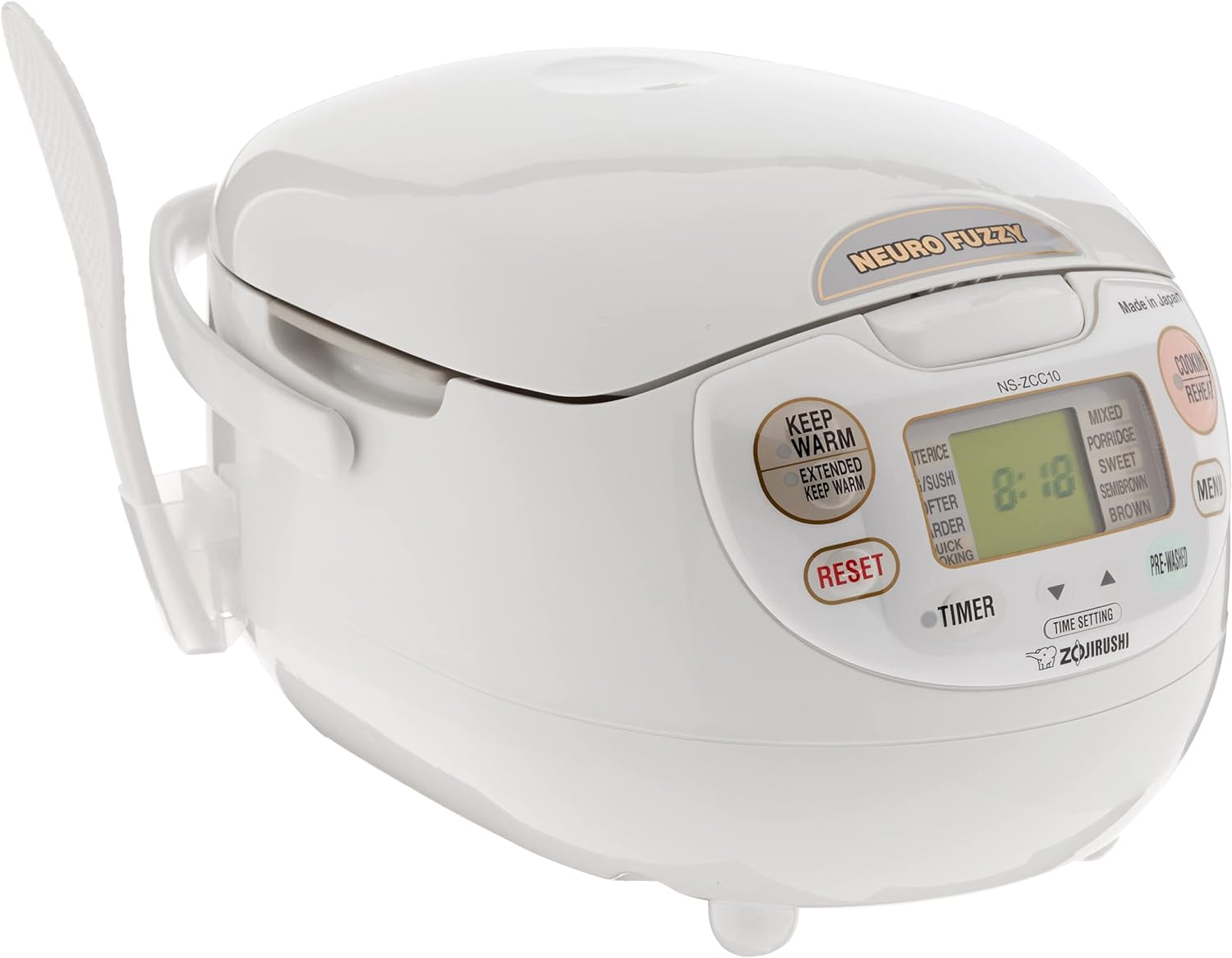
Advanced computerized cookers incorporate microprocessor technology to adjust cooking temperatures dynamically. This capability ensures that various grains receive precise thermal management from start to finish.
Units utilizing fuzzy logic adapt to subtle changes, delivering consistent texture whether cooking short-grain white rice or tough brown varieties. Consider this technology if you value precision over manual switch controls.
Assessing Material Construction and Inner Pot Coatings
Inner pot materials significantly influence heat distribution and long-term durability. Many models utilize nonstick or fluorine coatings to prevent sticking and simplify post-cooking cleanup routines.
Examine whether the housing features stainless steel or durable plastic exteriors. Reviewing manufacturer care guidelines helps maintain these surface coatings over years of regular kitchen usage.
Reviewing Menu Options and Specialized Grain Settings
Modern rice cookers offer diverse menu selections tailored for specific grain types and cooking styles. Options often include quick cook, porridge, sweet rice, and dedicated brown rice cycles.
Specialty settings like GABA activation or steel-cut oatmeal modes optimize thermal flows for unique nutritional needs. Match these programmed capabilities to your actual dietary preferences.
Managing Countertop Space and Physical Footprint
Kitchen layout constraints dictate the physical dimensions a rice cooker can occupy. Larger 10-cup appliances require substantial depth and height clearance compared to compact 3-cup units.
Look for space-saving design elements such as retractable power cords and fold-down handles. These features simplify moving the appliance between active countertops and storage cabinets.
Utilizing Keep-Warm and Timer Functions
Automated keep-warm cycles maintain serving temperatures for hours after cooking finishes without burning the grain. Extended keep-warm modes offer additional flexibility for staggered meal times.
Delay timers allow users to program completion times in advance, letting you schedule fresh grains to align with your daily routine. Evaluate these convenience features carefully.
Frequently asked questions
What is the difference between standard mechanical and computerized rice cookers?
Standard mechanical rice cookers rely on simple single-button switches that apply continuous heat until internal moisture evaporates, concluding the cycle automatically. In contrast, computerized models utilize microprocessors to execute multi-stage cooking profiles with automatic temperature-to-time adjustments. These advanced units accommodate diverse grain types like brown rice, porridge, and sushi rice by dynamically altering thermal intensity throughout the process. While mechanical cookers offer straightforward operation, computerized versions deliver superior texture consistency across specialized recipes and grain varieties.
How do I choose the right capacity for my household?
Selecting the proper capacity depends on how many people you regularly feed and whether you cook in batches. A 3-cup dried rice capacity yields approximately six cups of cooked rice, making it ideal for singles or couples. Mid-sized 5.5-cup models suit average family dinners with leftovers. Large 10-cup appliances cater to multi-person households, frequent entertainers, or bulk meal preparers. Always review whether specifications refer to dry cups or cooked volume to ensure the appliance matches your dietary requirements.
What does Neuro Fuzzy technology do in a rice cooker?
Neuro Fuzzy technology employs advanced artificial intelligence algorithms within the cooker's microprocessor to fine-tune cooking temperatures and heating times automatically. As the grains absorb moisture, the system makes minute adjustments to thermal output, compensating for external ambient temperatures and preventing undercooked or burnt spots. This dynamic regulation ensures that various rice types, including delicate white grains and tough brown varieties, achieve optimal fluffiness and texture without manual intervention from the home cook.
How should I clean and maintain my Japanese rice cooker?
Proper maintenance requires following manufacturer care instructions, which typically involve wiping exterior surfaces with a damp cloth and hand-washing removable components like inner lids and measuring accessories. Nonstick inner pots should be cleaned gently using non-abrasive sponges to preserve the coating integrity. Always ensure the inner lid and steam vent are cleared of residue after use. Storing the unit with a retracted cord and utilizing designated handles prevents accidental damage during transport.
Why do specialized grain settings matter for cooking?
Specialized grain settings alter the standard thermal cooking profile to match the unique chemical structure of specific ingredients. For instance, brown rice activation settings maintain specific low temperatures over extended periods to increase nutrient availability, while steel-cut oatmeal programs utilize distinct boiling flows to prevent overflow and scorching. Selecting an appliance with targeted menu options ensures that alternative grains receive appropriate heat application, resulting in better texture and flavor compared to using a single universal setting.