Appliances · Buying Guide
Best national pressure cooker no 7 alternatives for home kitchens
Finding the right stovetop or electric cooker depends on your cooking style, family size, and preferred materials. Exploring options similar to a traditional national pressure cooker no 7 helps modern home cooks compare capacities, valve designs, and metal types before making a purchase decision for everyday meals.
Modern pressure cookers range from large aluminum canners to multi-functional electric units featuring digital presets and safety mechanisms. Reviewing the physical dimensions, heating requirements, and capacity specs ensures you select a kitchen tool that fits your storage space and handles your favorite recipes efficiently.
As an Amazon Associate, StacyLaughs earns from qualifying purchases.
Buying guide
Capacity and Household Size
Choosing the correct capacity ensures your pressure cooker matches your daily meal preparation needs. Smaller models around six quarts handle standard family dinners and soups efficiently without taking up excessive storage space. Larger variants exceeding seven or sixteen quarts accommodate bulk batch cooking and canning preservation tasks. Evaluating your typical serving size helps narrow down suitable cooker options.
Matching volume requirements prevents overcrowding and ensures proper heat circulation during cooking cycles. If you frequently prepare weekly meal prep in advance, a slightly larger capacity provides necessary flexibility. Conversely, smaller households might find oversized pots cumbersome to clean and store. Assessing your standard recipes guides you toward the ideal quart size while respecting maximum fill lines.
Stovetop Versus Electric Power Sources
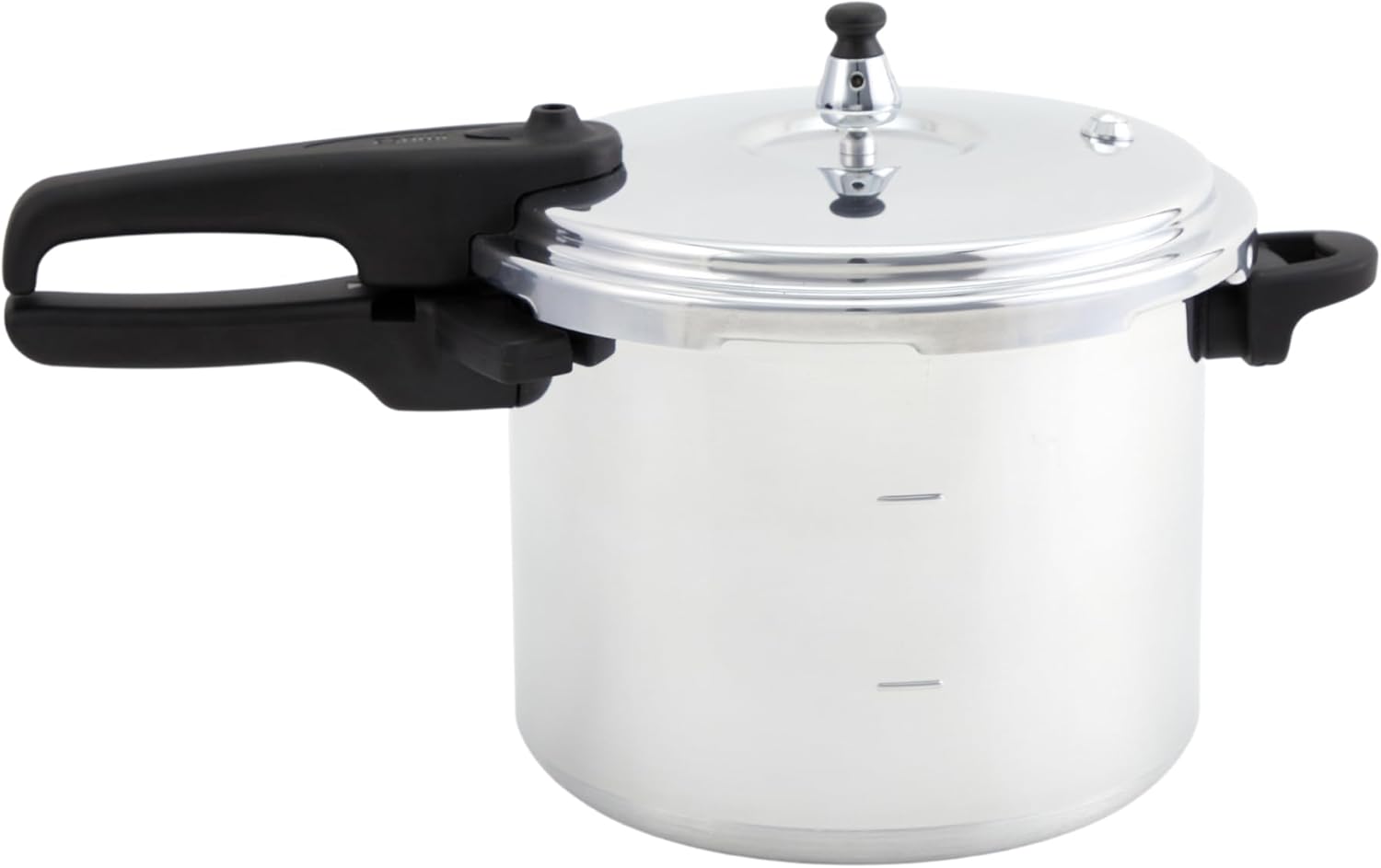
Deciding between stovetop models and electric units depends on your kitchen setup and cooking preferences. Stovetop pressure cookers rely on external burners, offering exceptional durability and direct heat control. They often integrate seamlessly with gas, electric, or induction ranges depending on the metal construction. Electric pressure cookers require counter space and wall outlets, providing autonomous heating elements and digital timer controls.
Electric cookers excel at hands-off operation, letting you set specific cooking presets without monitoring burner flames. However, stovetop versions eliminate electronic failure points and typically offer higher maximum pressure capabilities for canning. Consider your kitchen layout, available electrical outlets, and personal comfort with manual temperature adjustments when selecting your preferred power source for daily cooking tasks.
Material Selection and Durability
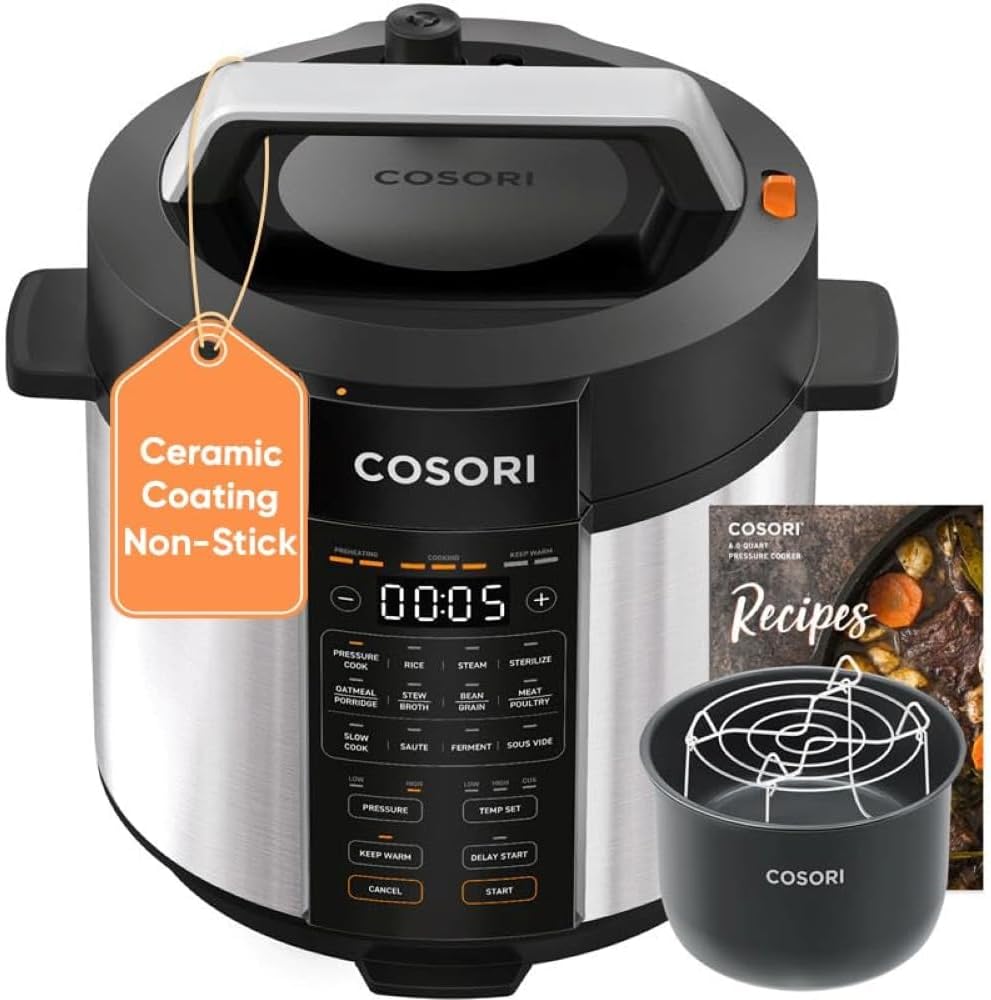
Material composition dictates thermal conductivity, cleaning routines, and long-term durability. Aluminum pots provide rapid and even heat distribution across the base, making them efficient for traditional stovetop cooking. Stainless steel options deliver superior resistance to corrosion, dents, and staining, often supporting induction cooktops and dishwasher cleaning. Non-stick ceramic coatings inside electric pots prevent food from sticking during searing steps.
Reviewing material specifications helps you align maintenance preferences with your cooking habits. Stainless steel withstands rigorous scrubbing and dishwasher cycles with minimal wear. Aluminum models require careful attention to avoid harsh reactive ingredients like strong acids or salts depending on the specific finish. Selecting robust materials guarantees your pressure cooker withstands frequent heat cycles and maintains structural integrity over years of regular use.
Safety Mechanisms and Valve Design
Modern pressure cookers incorporate multiple safety features to manage internal pressure and prevent accidental lid removal. Look for secure locking mechanisms, automatic pressure regulators, and dedicated safety valves that relieve excess steam safely. Valve design plays a major role in user comfort, especially when angled steam releases direct vapor away from your hands. Inspecting these protective components ensures secure daily operation.
Stovetop cookers often utilize weighted jigs or adjustable valves, while electric units feature push-button venting switches. Understanding how each model exhausts steam helps prevent burns and simplifies post-cooking depressurization. Multi-layer anti-scalding lids and overheat protection offer additional reassurance during high-temperature cooking sessions. Prioritize models featuring clear safety indicators to maintain confidence while preparing pressure-cooked meals at home.
Cleaning and Maintenance Requirements
Streamlining cleanup routines encourages frequent use of your pressure cooker after busy workdays. Removable inner pots featuring non-stick ceramic or stainless steel surfaces wipe clean easily without scrubbing. Dishwasher-safe lids and accessories reduce the time spent washing individual components by hand. Check whether the housing materials resist fingerprints and whether gasket seals can be removed easily for routine washing and inspection.
Proper maintenance preserves the sealing rings, valves, and metal finishes for long-term reliability. Avoid abrasive cleaners on coated surfaces to protect non-stick properties from premature wear. Storing pots with lids slightly ajar prevents trapped moisture and odors between cooking sessions. Evaluating manufacturer cleaning guidelines before purchase ensures you select an appliance that fits your household maintenance routine without unnecessary hassle.
Cooking Presets and Versatility
Electric pressure cookers often feature multi-functional presets that replace several standalone kitchen appliances. Options for slow cooking, rice preparation, yogurt making, searing, and steaming expand your culinary capabilities in a single footprint. Stovetop cookers focus primarily on pressure cooking and meat tenderizing, relying on manual heat manipulation to control simmering speeds. Assess whether you prefer automated digital cooking programs or traditional stovetop flexibility.
Versatile cooking functions help streamline meal preparation by reducing the number of extra pans required for browning ingredients. Models with built-in searing surfaces let you brown meats directly in the pot before pressure cooking. Matching preset options to your favorite recipes ensures you use the appliance frequently. Select units that offer the specific cooking modes you need without paying for unused digital features.
Frequently asked questions
Can I use a stovetop pressure cooker on an induction range?
Compatibility depends entirely on the specific metal construction of the pressure cooker base. Stainless steel stovetop models generally support induction ranges because the material interacts with magnetic burner fields. However, traditional pure aluminum pots lack magnetic properties unless bonded with a special induction-compatible base plate. Always review the manufacturer specifications before purchasing a stovetop cooker to confirm whether it works safely with your specific kitchen stove type, preventing compatibility issues and ensuring efficient heating performance.
What is the difference between stovetop and electric pressure cookers?
Stovetop pressure cookers require an external burner flame or electric coil to heat water and build internal pressure. They offer rugged durability, manual temperature control, and often higher operating pressures suitable for canning. Electric pressure cookers feature self-contained heating bases, digital control panels, and automated cooking presets. They manage temperature and timing independently, freeing you from monitoring burner adjustments. Your choice depends on whether you prefer manual oversight with durable metal pots or automated convenience on your countertop.
How do I clean and maintain my pressure cooker sealing ring?
The sealing ring requires regular inspection and cleaning to maintain airtight pressure performance. Remove the silicone gasket after cooling down the cooker and wash it in warm soapy water or place it on the top rack of a dishwasher if rated safe. Check for cracks, stiffness, or lingering food odors that might compromise the seal. Letting the ring air dry completely before reinstallation prevents mold growth and ensures proper locking alignment during your next meal preparation session.
Is a larger pressure cooker always better for everyday cooking?
A larger pressure cooker is not always better for daily meal preparation. While oversized models exceeding sixteen quarts excel at bulk canning and feeding large crowds, they take up valuable cabinet space and can be heavy to handle. Cooking small portions in an overly large pot can also affect liquid ratios and heating efficiency. Matching the capacity to your household size ensures you have enough volume for family meals without managing cumbersome equipment that crowds your kitchen storage shelves.
Can I sear meats directly inside my pressure cooker pot?
Many modern pressure cookers allow you to sear meats and sauté vegetables directly inside the pot before securing the lid. Electric models feature dedicated sear or sauté functions powered by the internal heating element. Stovetop models let you place the metal pot directly onto your burner for browning ingredients. Searing in the same pot builds deeper flavor profiles for stews and soups while reducing the number of dirty dishes you need to wash after finishing dinner.