Appliances · Buying Guide
Best Neuro Fuzzy Rice Cooker Options for Fluffy Grains Every Time
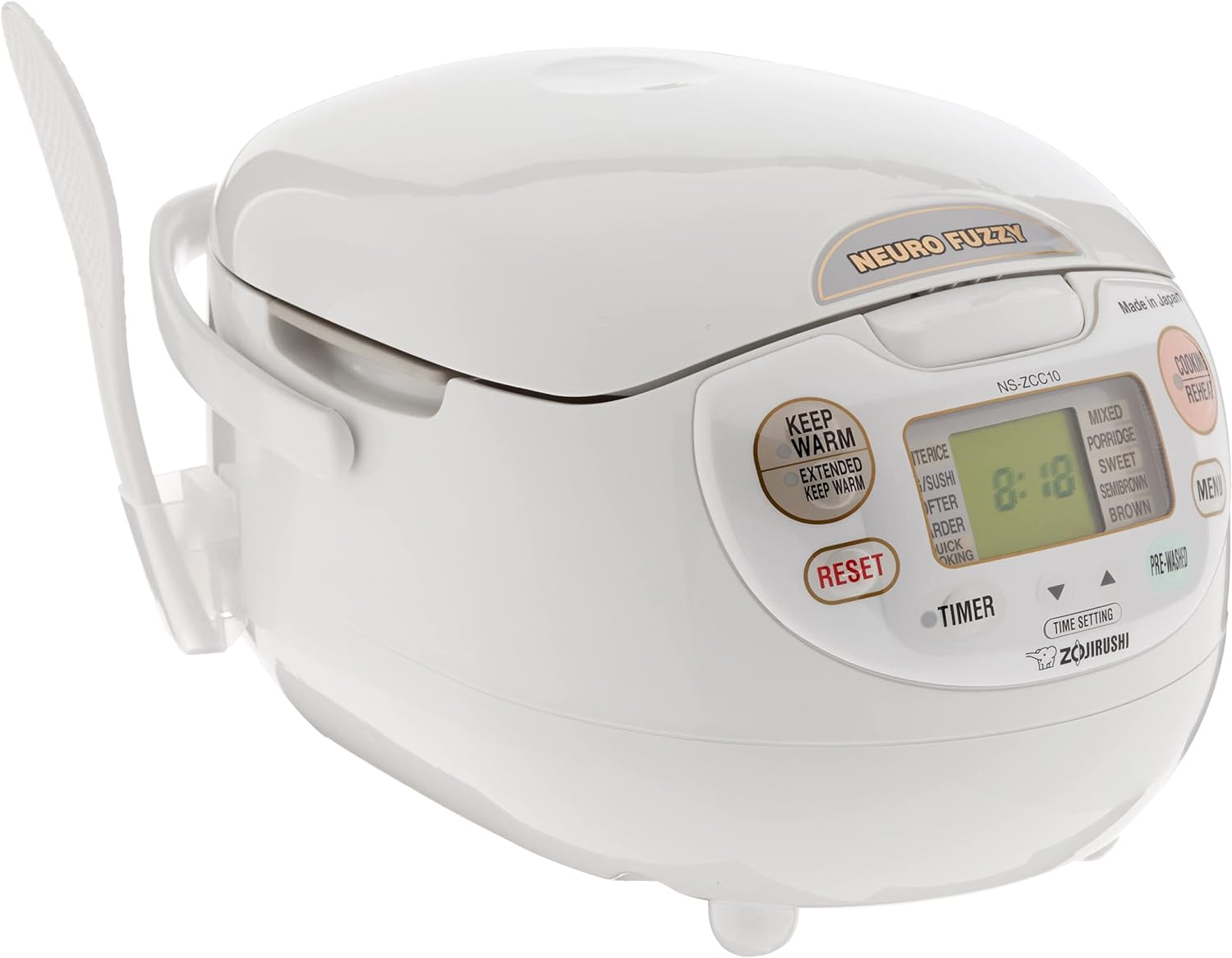
Choosing the right neuro fuzzy rice cooker can transform how you prepare daily meals, moving beyond simple boiling to smart, temperature-adjusted cooking. Advanced micro-controllers inside these appliances monitor heat cycles continuously, adapting to different grain types like white, brown, or mixed varieties without requiring manual guesswork.
Whether you need a compact model for smaller households or a large-capacity cooker for entertaining, understanding the specific technical traits helps narrow down the choices. Evaluating dimensions, wattage ratings, and programmed menu functions ensures you select a reliable machine that matches your everyday kitchen routine and counter space limitations.
As an Amazon Associate, StacyLaughs earns from qualifying purchases.
Buying guide
Capacity and Household Size
Selecting the correct capacity ensures your rice cooker meets daily nutritional needs without creating storage headaches in compact kitchens. Smaller three-cup uncooked models suit individuals or couples, while medium five-and-a-half-cup units handle standard family meals comfortably. Larger ten-cup options serve big households or frequent hosts who require substantial grain batches simultaneously for dinner parties.
Matching capacity to typical serving sizes prevents wasted counter space and ensures efficient heating performance during every cooking cycle. Evaluating your typical portion requirements carefully before purchasing guarantees you avoid buying an oversized appliance that dominates your countertop or an undersized unit that requires multiple batches to feed your family.
Advanced Fuzzy Logic Technology
Advanced fuzzy logic technology transforms basic heating elements into responsive cooking systems by utilizing sophisticated internal micro-controllers. These computerized systems monitor internal temperatures continuously, adjusting cooking times and heat levels dynamically based on real-time moisture feedback from the cooking chamber. This intelligent adjustment prevents burning, boiling over, or undercooking across delicate grain recipes consistently.
Achieving consistent texture across white, brown, and mixed grain varieties becomes completely effortless without requiring manual user intervention during the active heating cycle. Choosing a model with proven micro-controller capabilities guarantees dependable, fluffy results for everyday home cooking endeavors, saving both time and physical effort in busy household kitchens every single day of the week.
Multi-Function Programming Options
Modern rice cookers offer extensive menu selections that extend far beyond basic white rice preparation. Many appliances feature dedicated settings for brown rice, porridge, mixed grains, slow cooking, steaming vegetables, and even baking cakes or preparing eggs. Evaluating these additional functions helps determine whether a single appliance can successfully replace multiple specialized countertop kitchen gadgets in your home.
Having diverse program options allows home cooks to experiment with international grain varieties, specialty breakfast oats, and savory soups using one integrated machine. Reviewing the available menu list ensures you select a device matching your specific dietary preferences and routine meal planning habits throughout the entire year without compromise.
Inner Pot Construction and Materials
The physical construction and material composition of the inner cooking pot directly influence heat distribution and overall cooking performance. Thick spherical pots, ceramic-coated vessels, and carbon-infused pans enhance thermal retention to ensure uniform grain fluffiness across every single batch you prepare. Examining pot thickness reveals how well the appliance concentrates heat during intensive cooking cycles without creating hot spots.
Furthermore, quality nonstick coatings facilitate easy food release and prevent stubborn starches from baking onto the bottom surface. Understanding these material attributes helps buyers choose between dishwasher-safe ceramic options and traditional hand-washable nonstick pans based on their personal cleanup preferences, manufacturer maintenance instructions, and daily kitchen routines very carefully.
Convenience and Maintenance Features
Convenience features such as automatic keep-warm cycles, delay timers, retractable cords, and detachable inner lids greatly simplify everyday kitchen operation. Delayed start timers let you program cooking schedules hours in advance to match your busy meal times perfectly. Automatic keep-warm modes maintain ideal serving temperatures without drying out delicate grains over extended periods of time.
Maintenance ease depends heavily on accessible components like removable steam valves, detachable inner lids, and wipe-clean exteriors or dishwasher-safe parts depending on model specifications. Reviewing these practical cleaning attributes ensures your appliance remains hygienic and exceptionally easy to maintain following frequent meal preparations throughout the busy week without frustration.
Footprint and Countertop Placement
Countertop footprint and physical dimensions are critical considerations for kitchens with limited workspace available. Compact models fit easily beneath low cabinets and in tight nooks, while larger units require dedicated open counter space. Measuring your available kitchen area carefully before buying prevents storage conflicts and placement issues during daily meal preparation routines significantly.
Additionally, thoughtful design elements like retractable power cords and fold-down handles improve portability and help keep storage areas neat when the appliance is not in active use. Prioritizing these physical traits ensures seamless integration into your existing kitchen layout without crowding other essential culinary appliances or blocking electrical outlets.
Frequently asked questions
What is neuro fuzzy logic in a rice cooker?
Neuro fuzzy logic refers to advanced computerized technology integrated into modern kitchen appliances to automatically manage cooking parameters. Unlike traditional thermostats that rely on fixed temperature thresholds, a neuro fuzzy controller uses artificial intelligence concepts to evaluate real-time feedback from internal sensors. It dynamically adjusts heating temperatures and cooking durations throughout the cycle based on moisture levels. This continuous adaptation ensures that various rice types, such as white, brown, or sticky varieties, achieve optimal fluffiness and texture without requiring manual user adjustments or guesswork during preparation.
Can I cook grains other than rice in these cookers?
Many neuro fuzzy and advanced logic rice cookers include specialized menu settings designed to handle a wide variety of grains and meals beyond standard white rice. Depending on the specific model features, you can often prepare brown rice, quinoa, mixed grains, steel-cut oats, and porridge. Some multi-function versions even support steaming vegetables, slow-cooking soups, or baking cakes. Always consult the manufacturer menu settings and included instructions to verify which specific grain programs and recipes are supported by your particular appliance before starting a new culinary task.
How do I clean my fuzzy logic rice cooker safely?
Cleaning methods vary depending on the manufacturer instructions and included materials for each specific model. Many modern cookers feature nonstick inner pots that require gentle hand washing using mild soap and a soft cloth to protect the coating, while other models supply dishwasher-safe accessories and pots. Exterior housing surfaces typically require a simple wipe with a damp cloth rather than immersion in water. Additionally, removable components like steam valves and detachable inner lids should be cleaned regularly according to the manual guidance to maintain proper hygiene.
Why is measuring rice with the supplied cup important?
Using the exact measuring cup supplied with your rice cooker is crucial because standard kitchen measuring cups do not always match the specific volumetric proportions required by automated rice-cooking algorithms. Rice cookers rely on precise water-to-grain ratios calibrated specifically to the manufacturer measuring cup dimensions. Deviating from this standard cup can result in incorrect liquid levels, leading to undercooked, overly mushy, or burnt rice. Following the manufacturer recommendation to use the included cup ensures the internal sensors calculate heating times and water absorption accurately every single time.
What is the difference between a 3-cup, 5.5-cup, and 10-cup capacity?
The capacity ratings refer to the amount of uncooked rice each machine can hold before cooking expands the grains. A 3-cup model is compact and ideal for single individuals or couples with limited kitchen space. A 5.5-cup unit serves standard family meals and accommodates everyday multi-person households comfortably. A 10-cup cooker provides large-scale capacity suitable for big families, gatherings, or entertaining guests. Choosing the right size depends directly on your typical serving portions, available countertop space, and whether you frequently need to cook extra food for visitors.