Appliances · Buying Guide
Best Non Toxic Panini Press Options for Healthier Countertop Grilling
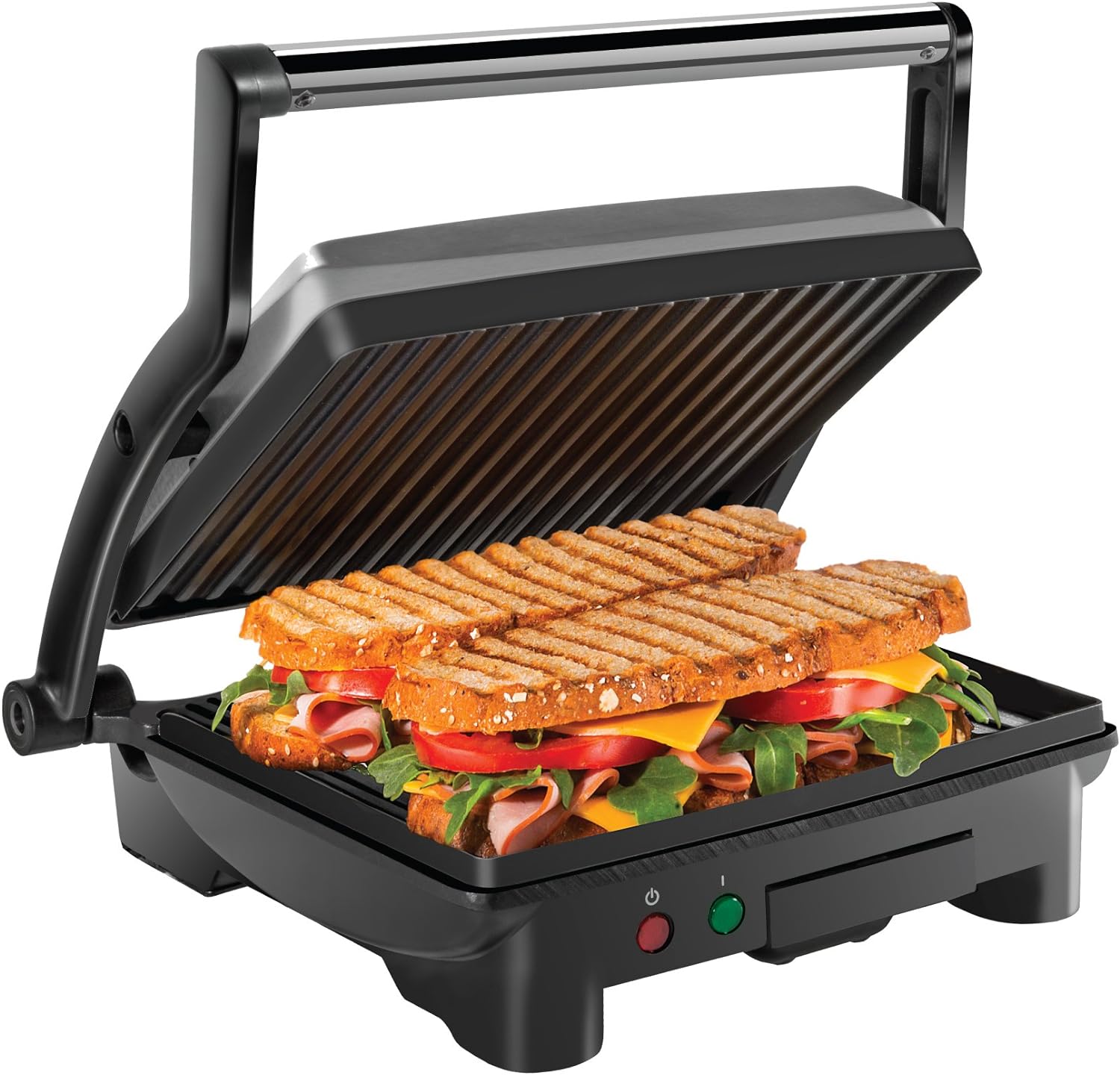
Selecting a non toxic panini press lets you prepare warm sandwiches, melted cheese dishes, and quick grilled meals using ceramic or specially coated plates free of harmful substances like PFAS and PFOA. These countertop appliances bring versatile heating surfaces right to your kitchen, offering adjustable hinges and reliable temperature controls to suit thin snacks or thick, loaded subs.
Whether you need a simple two-slice sandwich maker or a multi-functional indoor grill with reversible plates and independent temperature settings, modern designs prioritize easy cleanup and convenient storage. By focusing on surface materials, physical dimensions, and operational features, you can easily find a countertop press that matches your daily cooking routine and available kitchen space.
As an Amazon Associate, StacyLaughs earns from qualifying purchases.
Buying guide
Surface Materials and Coatings
When shopping for a non toxic panini press, examining the cooking plate material is essential for safe and reliable meal preparation. Many modern appliances replace traditional polytetrafluoroethylene with ceramic nonstick coatings. These ceramic surfaces are manufactured without intentionally added PFAS or PFOA compounds, providing an alternative for home cooks concerned about chemical exposure during high-heat cooking.
Evaluating these coatings also involves checking for scratch resistance and ease of manual cleanup. While ceramic plates release grilled sandwiches and melted cheese smoothly without added oils, they require gentle care. Avoid using metal utensils that can mar the nonstick finish. Following manufacturer guidelines ensures the longevity of your ceramic cooking surfaces across regular weekly meal preparation tasks.
Wattage and Heating Performance
Power output significantly affects how quickly your countertop panini press heats up and maintains consistent cooking temperatures. Models generally range from 1000 watts to 1600 watts, with higher wattages providing faster preheating and more rapid recovery times when cold ingredients are added. If you frequently press thick sandwiches or sear meats, higher wattage prevents temperature drops during operation.
Conversely, lower-wattage appliances consume less electrical draw, making them suitable for dorm rooms or light office kitchenettes. Assessing your typical cooking frequency helps determine the appropriate power level. Keep in mind that powerful heating elements paired with efficient thermal distribution ensure your paninis achieve crisp crusts without requiring excessively long preheat waiting periods.
Hinge Design and Food Thickness
The hinge mechanism dictates how well a panini press accommodates different food sizes, from thin flatbreads to towering triple-decker subs. Floating hinges adjust automatically to parallel positions, pressing top surfaces evenly regardless of ingredient height. This flexibility prevents uneven heating and ensures cheese melts uniformly across stuffed sandwiches and loaded quesadillas without crushing delicate bread structures.
Some advanced models also offer multi-position locks or flat 180-degree opening capabilities. A flat opening transforms the closed press into an open grill or griddle, doubling your active cooking area for bacon, eggs, or vegetables. Reviewing hinge versatility ensures the appliance can handle your preferred sandwich styles and broader culinary experiments.
Plate Versatility and Removability
Removable plates offer a major advantage for post-meal cleanup, allowing you to wash cooking surfaces directly in the sink or dishwasher. Fixed plates require careful wiping while attached to the appliance housing. Additionally, reversible plates expand your menu options by providing a striped grilling side for sear marks and a smooth side for pancakes or eggs.
Choosing between fixed and removable plates depends on your cleaning preferences and meal variety. Removable designs add mechanical latch points, so checking how securely plates lock into place is vital. Investing in a model with interchangeable plates gives you greater kitchen flexibility without requiring multiple dedicated countertop appliances for breakfast and lunch.
Grease Management Systems
Managing cooking grease effectively keeps your kitchen cleaner and reduces smoke during indoor grilling sessions. Many panini presses incorporate an adjustable slope angle or tilt-up feet that direct rendered fats away from the heating surface. These design elements channel liquids smoothly toward a rear drainage port where a removable drip tray catches excess grease.
Inspecting the drip tray placement and capacity prevents messy overflows during heavy cooking tasks like pressing juicy burgers or marinated chicken. Dishwasher-safe drip trays make sanitation straightforward, while secure positioning ensures the tray will not slip out of place during movement. Proper grease management contributes significantly to a smoke-free indoor cooking experience.
Countertop Footprint and Storage
Counter space is a primary consideration when selecting any kitchen appliance for daily use. Panini presses vary considerably in physical dimensions, with some heavy-duty multi-zone cookers requiring dedicated counter locations. Measuring your available depth and overhead clearance before purchasing prevents frustrating layout clashes in compact kitchens or crowded apartment prep areas.
For kitchens with limited space, look for models featuring vertical storage capabilities and integrated cord wraps. A storage latch keeps the unit securely closed when stored upright in a cabinet or pantry. Balancing your available storage space against the desired cooking surface capacity ensures your panini press remains convenient to access and use.
Frequently asked questions
What makes a panini press considered non-toxic?
A non-toxic panini press typically features cooking plates coated with specialized ceramic materials formulated without intentionally added chemical substances like PFAS, PFOA, lead, or cadmium. Traditional nonstick coatings sometimes rely on chemicals that raise concerns during high-heat cooking. Ceramic alternatives provide a smooth release surface for sandwiches and melted cheese while offering peace of mind. Always verify specific manufacturer materials and follow recommended cleaning instructions to maintain the protective ceramic layer throughout the lifespan of your appliance.
Do I need to use cooking spray or oil on ceramic nonstick plates?
Ceramic nonstick plates are specifically engineered to release food easily without requiring added butter, cooking sprays, or oils. Skipping added fats promotes healthier meal preparation when making paninis, grilled sandwiches, or quesadillas. However, using cooking sprays containing certain propellants can leave a microscopic residue buildup over time, which may diminish the nonstick performance. Wiping the plates down with a damp cloth after cooling is usually sufficient to maintain optimal cooking conditions without extra oils.
Can I cook foods other than sandwiches on a panini press?
Many modern panini presses are highly versatile and accommodate a wide variety of foods beyond standard sandwiches. Depending on the model, you can cook quesadillas, personal pizzas, burgers, steaks, bacon, eggs, vegetables, and pancakes. Units featuring 180-degree flat opening designs or reversible griddle plates expand your cooking options even further. Always consult the manufacturer instructions and recipe guides included with your specific appliance to determine safe cooking techniques and recommended temperature settings for different ingredients.
How should I clean and maintain my panini press plates?
Cleaning your panini press starts by letting the appliance cool down completely to prevent thermal shock or warping. If your model features removable dishwasher-safe plates, you can detach them for sink washing or place them in the dishwasher. For fixed plates, wipe the surfaces gently with a damp, soft sponge or cloth using mild dish soap. Never use abrasive scrubbers or metal utensils that could scratch or damage the ceramic nonstick coating, ensuring long-lasting performance for daily meal prep.
What is the benefit of a floating hinge mechanism?
A floating hinge mechanism is designed to adjust automatically to the thickness of whatever food you place between the grill plates. Whether you are pressing a thin tortilla wrap or a heavily piled Reuben sandwich, the top plate remains parallel to the bottom plate. This even distribution of pressure prevents squishing one side of your sandwich and ensures that heat transfers uniformly. It allows cheese to melt properly across thick items without sliding out of place.