Appliances · Buying Guide
Best Non Toxic Popcorn Maker Options for Home Kitchens
Selecting a proper popcorn maker involves carefully evaluating your kitchen layout, preferred heating methods, and desired batch sizes for movie nights and family gatherings. Stovetop models, induction-compatible pots, and borosilicate glass microwave alternatives offer distinct ways to prepare your favorite snack using straightforward mechanics and durable construction materials suited for everyday use across various kitchen cooktops.
When exploring options for preparing homemade snacks, understanding physical attributes and construction materials helps align equipment with your daily routine and storage spaces. Whether you prefer traditional manual turning mechanisms featuring wooden handles or compact glass vessels, reviewing core specifications ensures a practical fit for your household kitchen setup without unnecessary complications.
As an Amazon Associate, StacyLaughs earns from qualifying purchases.
Buying guide
Heat Source Compatibility
Evaluating your kitchen range is an essential initial step when selecting a stovetop popcorn maker for your home. Stovetop poppers vary significantly in their ability to function across different cooktop types, including traditional gas, smooth electric, and modern induction burners. Ensuring your chosen pot matches your specific kitchen setup prevents operational incompatibilities and guarantees proper heating performance during snack preparation sessions.
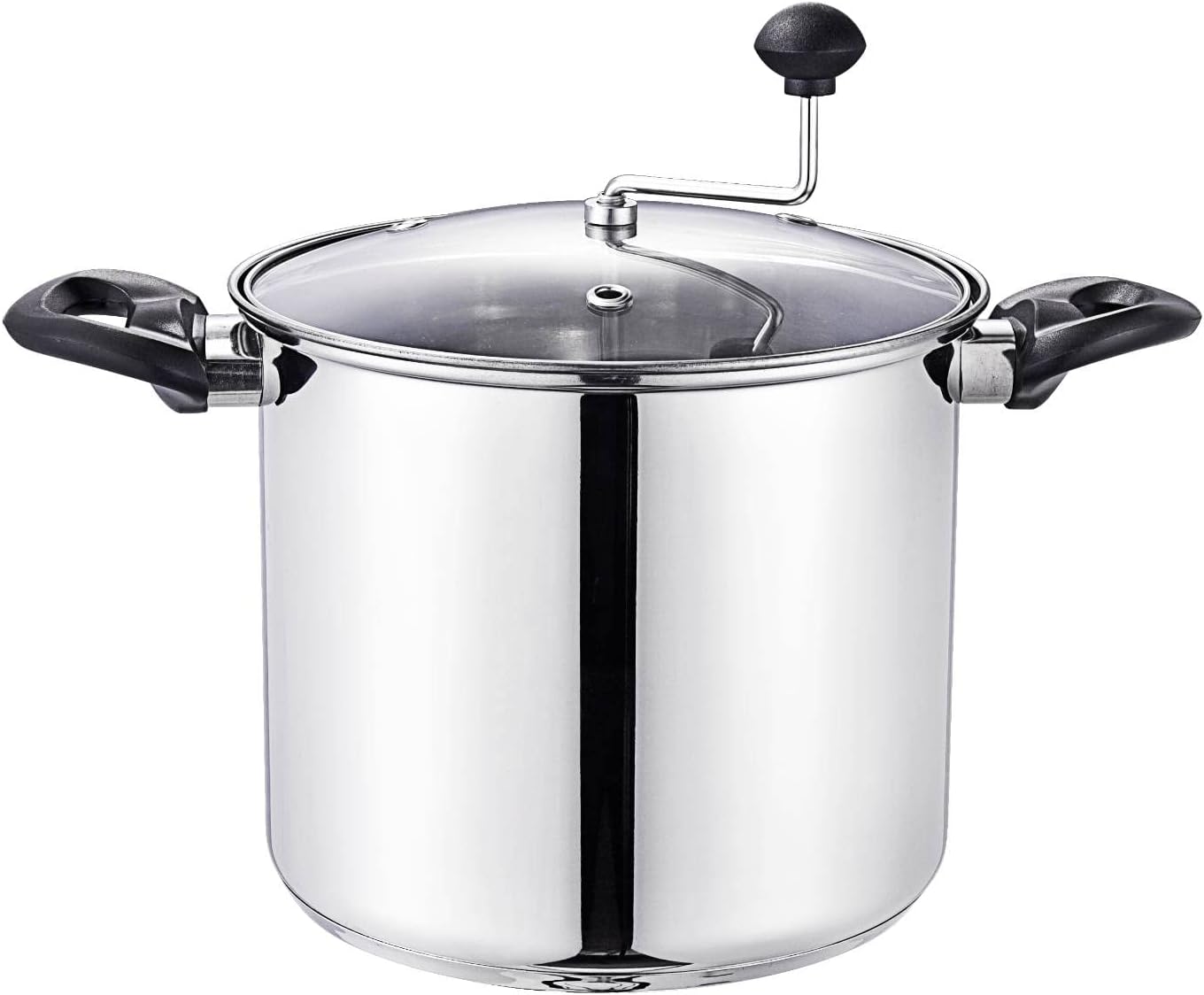
Some stainless steel poppers feature specially engineered induction-compatible bases, while alternative models rely strictly on standard gas burners or open campfire flames. Reviewing these range requirements thoroughly guarantees that the equipment integrates seamlessly into your daily cooking environment without unexpected heating failures, compatibility issues, or performance drop-offs.
Capacity and Batch Sizing
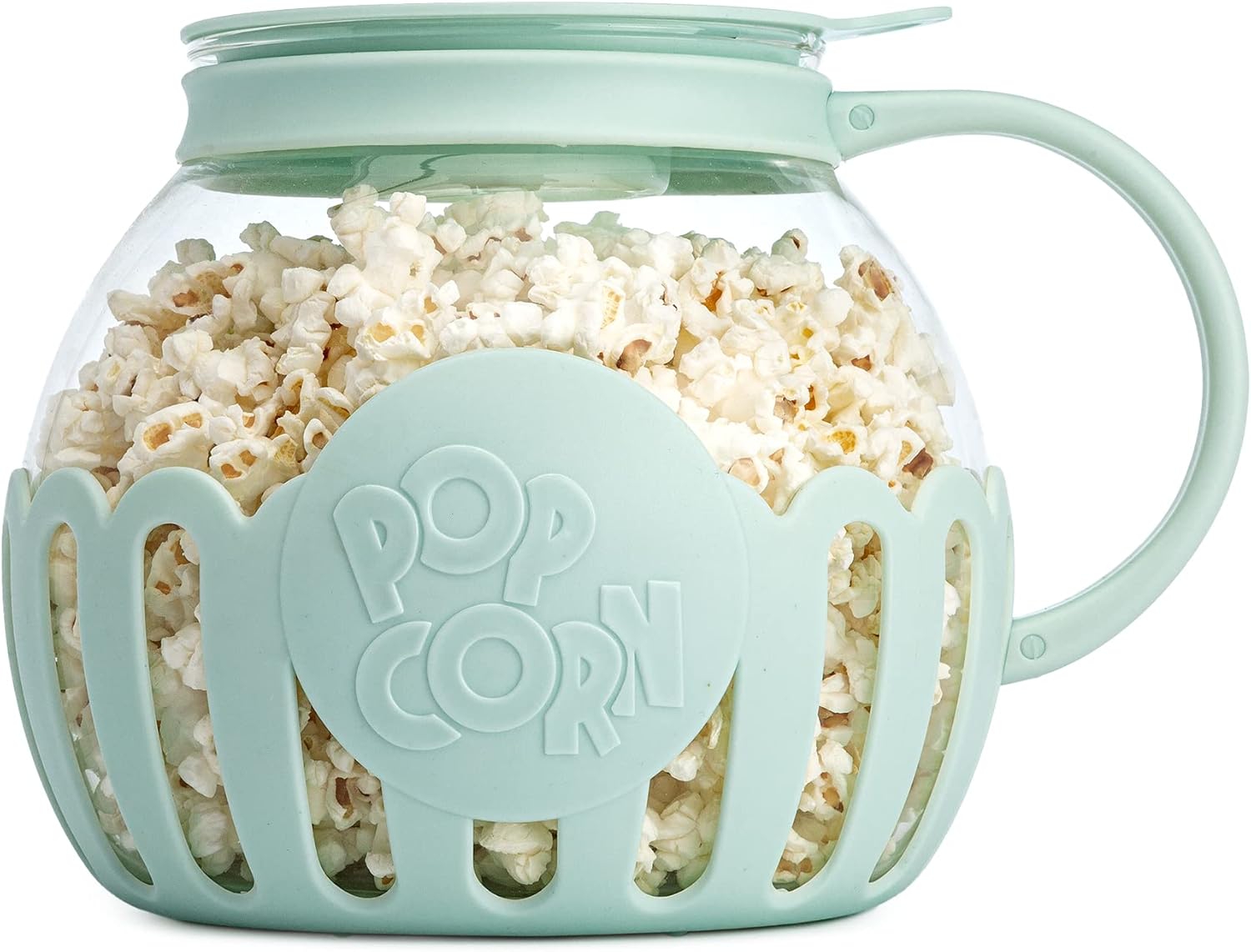
Determining the correct capacity ensures you prepare enough snacks for your household without unnecessary repetition or multiple consecutive batches during movie nights and weekend parties. Popcorn makers range widely from compact three-quart borosilicate glass microwave vessels to larger six-quart stainless steel pots designed specifically for busy family gatherings and hosting events.
Matching the pot volume to the number of people eating helps streamline snack preparation routines efficiently. Smaller vessels suit individual cravings or quick personal treats, whereas larger models comfortably accommodate multiple servings simultaneously, ensuring everyone gets their portion without long waiting times between active popping cycles or kitchen cleaning phases.
Materials and Construction
Construction materials heavily influence overall durability, heat distribution efficiency, and maintenance routines for your kitchenware. Stainless steel pots offer robust longevity and resistance to daily wear across stovetops, while borosilicate glass provides a clear, thermal-shock-resistant view of the popping kernels inside a compatible microwave oven without absorbing unwanted chemical residues or lingering odors.
Choosing between metal and glass depends heavily on your preferred cooking appliance and personal cleaning preferences. Reviewing material specifications carefully helps you select a popcorn maker that aligns with your kitchen aesthetic, storage capabilities, and long-term functional expectations without unexpected compromises during everyday snack preparation tasks and routine cleanup phases.
Stirring Mechanisms and Performance
Built-in stirring systems play a crucial role in preventing burnt kernels and ensuring even heating on stovetop poppers. Patented metal gears, rotating stirring rods, and internal paddles keep the popcorn moving continuously throughout the active popping cycle, reducing scorching risks significantly across various stovetop heat sources without requiring constant manual intervention from the cook.
This continuous mechanical motion distributes heat efficiently across the base of the pot, resulting in a higher percentage of popped kernels and a lighter snack texture. Assessing the stirring mechanism carefully helps determine how smoothly the popper operates during frequent family snack sessions and weekend movie nights without unexpected mechanical friction.
Cleaning and Maintenance
Maintenance requirements vary significantly between stainless steel pots and glass microwave poppers. Some models feature dishwasher-safe parts for effortless cleanup in modern kitchens, while traditional stovetop poppers recommend simple hand wiping or specific washing methods to preserve wooden handles and delicate metal gears over extended periods of frequent use without hassle.
Following manufacturer guidelines for cleaning ensures your popcorn maker remains in optimal working condition over years of frequent use. Reviewing these care instructions thoroughly before purchasing helps match your personal cleaning habits with the product's daily maintenance needs without creating unexpected household chores or accidentally damaging construction materials over time.
Storage Footprint and Dimensions
Kitchen storage space is an important practical consideration when selecting a stovetop popcorn maker featuring extended handles or wide overall dimensions. Large pots measuring seventeen to twenty-five inches in overall length require designated cabinet or pantry space to accommodate the physical structure safely without crowding other essential cookware items in your kitchen setup.
Compact glass microwave poppers offer a much smaller footprint that easily fits standard kitchen cupboards and shelves. Assessing your available storage space before buying prevents kitchen clutter and ensures your new appliance fits comfortably within your household kitchen layout and routine storage areas without extra hassle or spatial conflicts.
Frequently asked questions
Can I use oil in borosilicate glass microwave popcorn makers?
While borosilicate glass microwave poppers like the Micro-Pop are designed to circulate hot air and pop kernels without oil or butter, users can customize their snack preparation according to preference. The dual-function lid allows you to melt butter during the microwave process if desired. However, using oil is not strictly required since the hot air circulation method handles the popping process effectively. Always follow the manufacturer instructions regarding microwave use, fresh kernel selection, and turntable requirements to ensure optimal and safe snack preparation every time.
Do all stovetop popcorn makers work on induction cooktops?
No, not all stovetop popcorn makers are compatible with induction cooktops. While models specifically engineered with induction-compatible stainless steel bases work seamlessly on magnetic induction ranges, other traditional poppers rely strictly on standard gas burners, electric coils, or campfire flames. It is essential to check the specific manufacturer specifications and material details before purchasing a stovetop popper to ensure it matches your kitchen range. Attempting to use a non-induction pot on an induction cooktop will result in a failure to heat.
How do I clean a stainless steel popcorn maker with wooden handles?
Cleaning a stainless steel popcorn maker that features wooden handles requires specific care to preserve the integrity of both materials. Unlike fully stainless steel models that may be dishwasher safe, units with wooden components generally require hand wiping or gentle washing rather than full immersion in water or dishwasher cycles. Allowing the pot to cool down completely before cleaning helps prevent warping. Always consult the manufacturer maintenance guidelines to determine whether hand washing or specific wiping techniques are recommended for your popper.
Why are built-in stirring systems important in popcorn poppers?
Built-in stirring systems are essential because they keep popcorn kernels moving continuously across the heated base of the pot throughout the popping process. This constant mechanical motion prevents individual kernels from scorching or burning against the hot metal surface. By distributing heat evenly, stirring rods, paddles, and metal gears ensure a higher percentage of successfully popped kernels and a lighter, crispier snack texture. Stovetop poppers with these systems eliminate the need to manually shake the heavy pot constantly during preparation.
Can stainless steel popcorn pots be used for cooking other foods?
Certain stainless steel popcorn pots feature versatile designs that allow them to double as multi-purpose cooking vessels. For example, specific manual poppers with built-in stirring rods can be used to cook soups, stews, and potatoes on the stovetop. However, applicability depends entirely on the specific product design and manufacturer guidelines. Reviewing the product features will clarify whether a particular popcorn kettle is rated for general cooking tasks beyond popping corn kernels for movie nights and family gatherings.