Appliances · Buying Guide
Best Nuwave Induction Cooktop E1 Options for Precision Cooking
Finding the ideal cooking surface for a busy kitchen, compact dorm room, or mobile RV requires careful balancing of rapid heating speeds, exact temperature precision, and available counter space. Portable induction burners offer an efficient alternative to traditional stovetops by transferring electromagnetic energy directly to your cookware instead of heating the surrounding air and wasting valuable power resources during meal preparation.
The nuwave induction cooktop e1 collection features diverse portable models engineered to deliver minute temperature adjustments, durable shatter-resistant ceramic glass surfaces, and flexible wattage settings. Reviewing these individual heating solutions helps you determine which specific appliance configuration best matches your daily meal preparation routines, cooking styles, and spatial constraints for seamless everyday culinary tasks.
As an Amazon Associate, StacyLaughs earns from qualifying purchases.
Buying guide
Power and Wattage Requirements
Selecting an induction cooktop requires examining electrical wattage specifications carefully to match your home circuit capacity. Units typically range from 1400 watts to 1800 watts while operating securely on standard 120-volt household electrical outlets. Higher wattage models deliver noticeably faster heating speeds and reach maximum operating temperatures more quickly for efficient everyday cooking workflows, especially when boiling heavy pots of water.
Portable burners featuring adjustable multi-level wattage settings, such as 900, 1500, and 1800 watts, provide valuable operational flexibility when using shared circuits in RVs, dormitories, or older apartments. Managing total electrical draw prevents tripped circuit breakers during routine meal preparation activities and ensures stable appliance performance across diverse locations.
Temperature Precision and Ranges
Temperature control accuracy distinguishes basic electric burners from advanced induction cooktops. Look closely for models offering fine temperature adjustments in small increments, such as five-degree steps, spanning from low thermal settings around 50 or 100 degrees Fahrenheit up to high-heat searing levels reaching 500 or 575 degrees Fahrenheit for maximum meal preparation versatility.
Wide temperature spans allow home cooks to perform delicate culinary tasks like melting chocolate or simmering delicate sauces without burning, while simultaneously providing enough high-end heat to sear meats properly. Preset temperature choices further simplify cooking by offering instant access to frequently used thermal levels, automated recipes, and precise thermal control.
Surface Materials and Durability
The top cooking surface material dictates both daily safety and long-term durability during regular kitchen use. Heavy-duty ceramic glass or shatter-resistant glass surfaces provide a smooth platform designed to withstand intense thermal stress without cracking under high heat. These robust materials protect internal electrical components from accidental liquid spills and stubborn debris accumulation.
Furthermore, smooth glass construction simplifies the routine cleaning process significantly after cooking sessions conclude. Following recommended manufacturer maintenance guidelines ensures the ceramic glass remains pristine over time. Avoiding abrasive scrubbers prevents surface scratches, helping maintain the appliance's aesthetic appeal and structural integrity through years of reliable everyday meal preparation tasks.
Single Versus Dual Burner Configurations
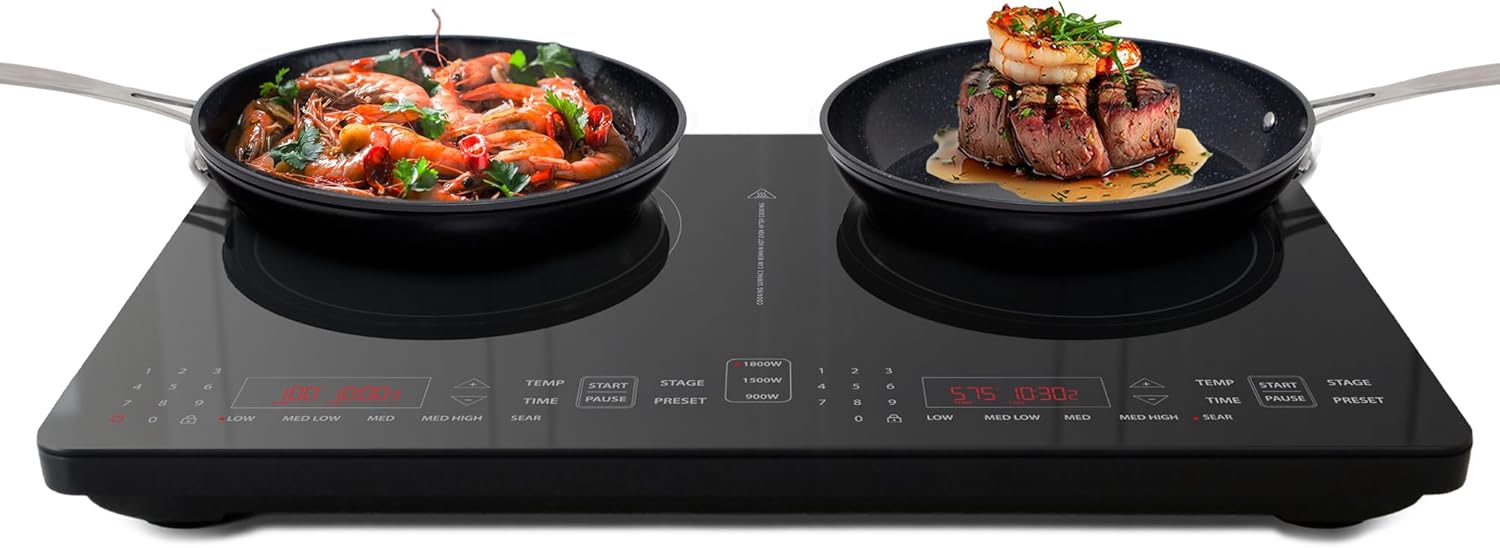
Choosing between a single-burner portable unit and a dual-zone countertop cooktop depends heavily on your available counter space and daily meal preparation habits. Single burners offer compact footprints that store easily in small cabinets or drawers, making them ideal for dorms, RVs, and supplementary kitchen cooking stations where counter space is strictly limited.
Dual-zone cooktops provide two independent heating surfaces, allowing you to multitask by cooking separate dishes simultaneously at different temperatures. However, dual models occupy wider countertop spaces and require careful management of total electrical loads when operating both burners at high wattage levels concurrently across shared household electrical circuits for complex family meals.
Thermal Probes and Advanced Sensors
Advanced induction cooktops frequently incorporate digital thermal probes and sensors designed to monitor internal food temperatures continuously during the cooking process. These accessories remove guesswork by tracking meat doneness or liquid temperatures accurately, making them exceptionally useful for precise culinary techniques requiring strict thermal regulation and consistent heating results across recipes.
When evaluating models with included probes, consider whether the sensor monitors both ambient and internal temperatures. While these specialized tools enhance cooking consistency for delicate dishes, users should ensure the probe connector matches their typical cooking vessels and follow proper cleaning requirements to maintain long-term reliability and accurate sensor readings over time.
Cookware Compatibility and Weight Limits
Induction cooking technology relies exclusively on direct electromagnetic energy transfer, meaning your existing pots and pans must feature magnetic bases to function properly. Traditional cast iron, enameled cast iron, and specific stainless steel cookware work seamlessly, whereas non-magnetic aluminum or copper pots require magnetic interface disks or total replacement for cooking compatibility across daily recipes.
Additionally, pay close attention to maximum weight capacities supported by the cooktop glass surface. Heavy-duty burners accommodate up to twenty-five pounds per cooking zone, allowing you to use large cast-iron skillets safely without structural overloading or surface instability during intensive family meal preparation sessions and heavy boiling tasks across various recipes.
Frequently asked questions
What type of cookware is required for these induction cooktops?
Induction cooktops require cookware with magnetic properties because they transfer electro-magnetic energy directly to the pot rather than heating the surrounding air. Traditional cast iron, enameled cast iron, and certain types of stainless steel work exceptionally well without requiring adapters. Non-magnetic materials such as pure aluminum, copper, or glass will not heat on an induction burner unless paired with a compatible magnetic interface disk or replaced entirely with induction-ready pots and pans. Always check your existing cookware base using a magnet before purchasing an induction unit.
Can I adjust temperature settings while cooking is in progress?
Yes, all featured models allow you to make adjustments on-the-fly without needing to stop and restart the cooking process. Using the intuitive digital touch controls or push buttons, you can easily increase or decrease temperature levels in precise five-degree increments whenever needed. You can also add or deduct cooking time instantly. This immediate responsiveness ensures your sauces, broths, and seared meats receive exact thermal regulation without disrupting your routine meal preparation workflow or burning delicate ingredients.
Are these portable induction cooktops safe to use in small spaces like RVs and dorms?
These portable induction burners are well-suited for smaller living environments such as RVs, dormitories, campsites, and compact apartments. Because induction cooking eliminates open flames and hot exposed coils, the surrounding cooktop surface remains much cooler during operation. Many models also feature selectable wattage settings, such as 900, 1500, and 1800 watts, allowing you to operate the appliance safely even when total electrical power capacity is limited by shared circuits or mobile living space restrictions.
How do thermal probes assist with precision cooking tasks?
Included digital thermal probes and advanced sensors continuously monitor internal food temperatures and external liquid levels to guarantee accurate cooking results. By plugging the probe into the cooktop, you can set a target temperature and let the appliance regulate heat automatically. This is especially helpful for delicate tasks like melting chocolate or cooking meats to an exact internal doneness without requiring constant manual thermometer checks. The probe removes guesswork and ensures consistency across various culinary preparations.
How should I clean and maintain the ceramic glass surface?
Cleaning the shatter-resistant ceramic glass surface is straightforward due to its smooth, seamless design that prevents food debris from collecting in gaps. Following manufacturer maintenance guidelines, you should allow the cooktop to cool completely before wiping down the surface with a damp cloth or sponge. Always avoid using abrasive scrubbers, harsh chemical cleaners, or metal pads that can scratch the glass. Proper cleaning preserves the appliance aesthetic appeal and structural integrity over years of reliable everyday use.