Appliances · Buying Guide
Best Oven with Induction Cooktop Options and Portable Countertop Burners
Choosing a reliable cooking surface involves balancing power requirements, available counter space, and heating zone configurations. Modern kitchens frequently integrate high-performance induction technology to achieve rapid boiling and responsive temperature adjustments without relying on traditional open flames, standard electric coils, or complex gas supply lines. Magnetic cookware interaction directs heat straight into pots for efficient operation.
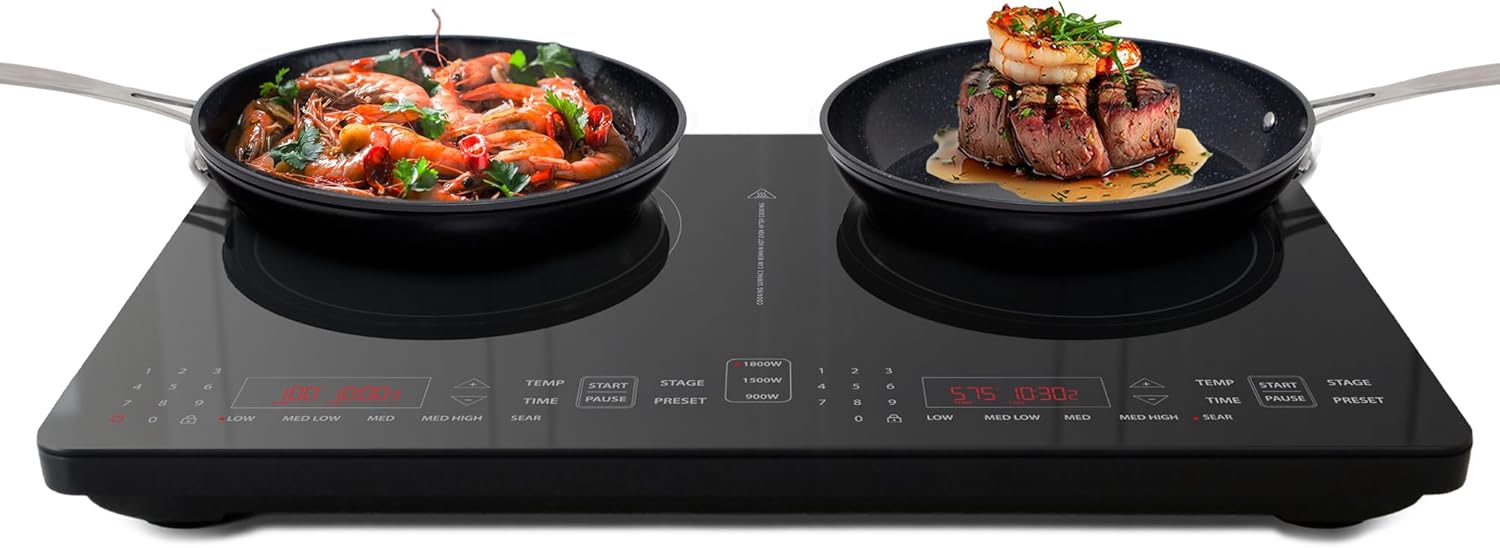
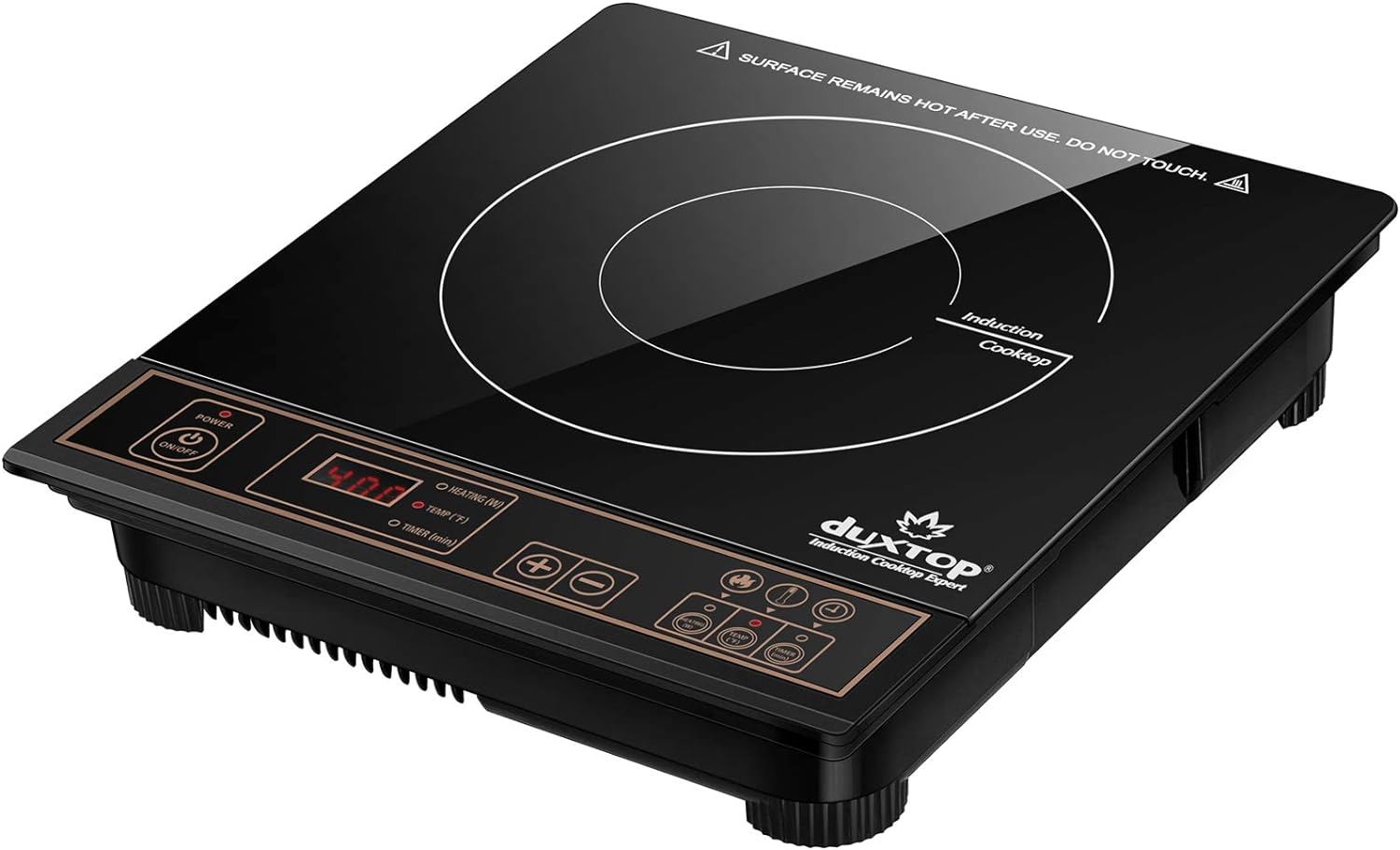
Whether you need a compact single burner unit for small studio apartments, a portable double burner for recreational vehicles, or a large multi-zone built-in stove for big family meals, understanding specific wattage ratings, physical dimensions, and control interfaces ensures you select a model matching your daily cooking routines and spatial limits.
As an Amazon Associate, StacyLaughs earns from qualifying purchases.
Buying guide
Understanding Wattage and Power Distribution
Electrical wattage determines how rapidly an induction burner can boil water or sear meats. Standard countertop units operate on typical household circuits, often sharing a maximum total wattage limit when multiple plates run simultaneously. Dynamic power distribution technologies intelligently split energy across active zones to maintain steady simmering while another side heats rapidly.
Reviewing these power allocations prevents tripped breakers and ensures your cooking setup handles simultaneous meal preparation without unexpected slowdowns. High-power built-in stoves require dedicated electrical setups to support extensive multi-zone synchronous operation safely during heavy culinary tasks.
Evaluating Physical Dimensions and Counter Space
Physical dimensions dictate whether a cooktop fits comfortably on your kitchen counter, inside a cabinet, or on a portable cart. Measuring the depth, width, and height of available surface areas ensures the unit rests securely without crowding adjacent appliances or workspace zones.
Compact single-burner appliances suit small dorm rooms or studio apartments, whereas wider multi-burner models demand expansive permanent cutouts or large countertop footprints. Always match unit measurements directly to your available kitchen layout before making a final selection.
Navigating Control Interfaces and Settings
Modern cooktops utilize diverse control interfaces ranging from physical knobs and tactile buttons to smooth touch panels and digital LED displays. Touch panels create seamless surfaces that prevent debris buildup in crevices, making routine cleaning faster and more straightforward after heavy cooking sessions.
Selecting between multi-level power adjustments and precise temperature increments depends heavily on your preferred cooking techniques. Preset cooking modes simplify routine tasks like boiling or simmering, while granular numeric levels grant experienced cooks exact control over thermal output.
Selecting Induction-Compatible Cookware Materials
Induction cooking relies entirely on magnetic fields to generate direct heat inside compatible pots and pans rather than warming the glass surface externally. Cookware crafted from cast iron, enameled iron, or magnetic stainless steel works seamlessly with these heating elements.
Testing your existing pots with a small magnet helps verify compatibility before purchase, saving you from acquiring equipment that fails to activate the burner's detection systems. Mismatched materials will prevent the appliance from turning on entirely during operation.
Incorporating Safety Features and Automatic Shutoffs
Built-in safety mechanisms provide essential protection during daily kitchen tasks, particularly in households with children or busy multi-tasking environments. Child safety locks prevent accidental setting adjustments, while automatic pan detection shuts units off promptly when cookware is removed from the glass surface.
Residual heat indicators warn users when a cooking zone remains hot after use, significantly reducing burn risks during clean-up. Overflow shutoff systems add another protective layer by terminating power if liquids spill across sensitive touch panel interfaces.
Assessing Portability Versus Built-In Installation
Deciding between a portable countertop burner and a built-in cooktop depends on your permanent kitchen layout and lifestyle mobility requirements. Portable units offer effortless relocation to recreational vehicles, outdoor patios, or secondary workspaces whenever temporary cooking solutions are required.
Built-in multi-zone appliances integrate permanently into kitchen countertops, delivering a streamlined aesthetic and robust power capacity designed specifically for primary family cooking stations. Consider how frequently you rearrange your kitchen space before choosing your installation type.
Frequently asked questions
What types of pots and pans work with induction cooktops?
Induction cooktops require cookware with magnetic properties to generate heat effectively. Compatible materials include cast iron, enameled iron, and magnetic stainless steel. Aluminum or copper pans without a magnetic bottom plate will not function on an induction surface. You can easily test your existing cookware by placing a small refrigerator magnet against the base. If the magnet clings firmly, the pot or pan is ready for use on any standard induction burner.
Can I use a portable induction cooktop in an RV or small apartment?
Portable induction cooktops are exceptionally well-suited for small apartments, dormitories, and recreational vehicles due to their compact footprints and standard electrical requirements. Most single or double countertop burners plug directly into standard household outlets. Their lightweight designs and low storage profiles make them easy to stow away inside cabinets when not in use. However, you should always verify that your electrical circuit can support the total wattage draw when running multiple burners simultaneously.
How do I clean a ceramic glass induction cooktop surface?
Cleaning a ceramic glass induction surface is straightforward because the glass surrounding the heating coil does not get as intensely hot as traditional electric burners, preventing spills from baking on as severely. For routine maintenance after cooking, simply wipe the cooled surface using a damp cloth or sponge. Removable accessories like non-stick griddle pans often feature dishwasher-safe construction or smooth coatings that release food residue easily without requiring harsh scrubbing pads or abrasive cleaners.
Why does my induction cooktop turn off automatically?
Induction cooktops feature built-in safety mechanisms designed to prevent accidents and energy waste. If you lift your cookware off the glass surface, auto-pan detection systems will trigger and shut the burner off after a short period. Additionally, overflow protection safeguards internal components by powering down the unit if liquids spill across the touch panel. Timers also automatically terminate cooking sessions when your selected countdown duration reaches zero, ensuring reliable operation throughout meal preparation.
Do induction burners make any noise during operation?
Induction technology itself operates silently by utilizing electromagnetic fields to heat cookware directly. However, you may occasionally hear faint buzzing or clicking sounds while cooking. These noises typically originate from the cookware rather than the appliance, especially when using multi-layered clad pots and pans where different metals interact with the rapid magnetic currents. Internal cooling fans inside the portable base also generate a low hum to dissipate heat and protect electronic components during extended cooking tasks.