Appliances · Buying Guide
Best Panini Press Choices Inspired By Williams Sonoma Countertops
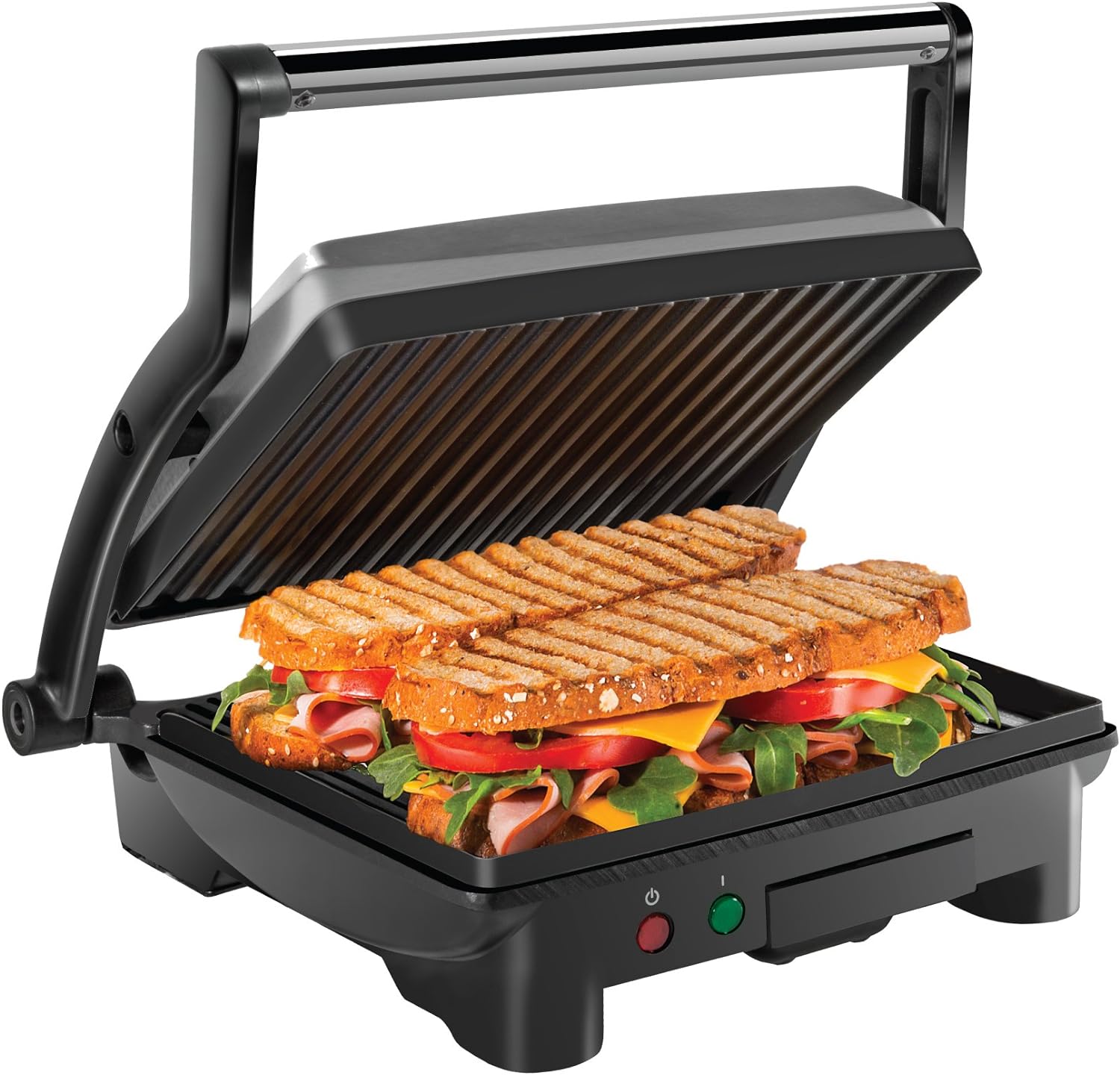
Finding the right countertop appliance to recreate cafe-style toasted sandwiches at home can completely transform your daily meal preparation routine. When searching for a versatile panini press reminiscent of high-end kitchenware found at Williams Sonoma, home cooks look for even heating, reliable nonstick surfaces, and compact storage options that fit seamlessly into busy modern kitchens without cluttering limited counter space.
Whether you want a simple two-slice model for quick weekday lunches or a multi-functional indoor grill with reversible plates for family breakfasts, exploring the available countertop options helps you match your cooking habits with the right machine features, physical dimensions, voltage requirements, and power levels to suit your household needs.
As an Amazon Associate, StacyLaughs earns from qualifying purchases.
Buying guide
Plate Materials and Nonstick Coatings
Choosing the right plate material ensures your sandwiches release easily and your appliance withstands regular daily use. Manufacturers use coatings like traditional nonstick metals or advanced crystal ceramic surfaces. Ceramic options provide durable performance even under higher cooking temperatures. Look for PFAS-free construction to match your preferences.
Maintaining your press plates requires following manufacturer guidelines regarding cooling times and cleaning tools. Many models let you remove plates for dishwasher washing or simple wiping. Letting the metal cool completely before applying water prevents thermal shock and preserves the nonstick layer. Proper cleaning habits protect your countertop appliance, ensuring cheese melts cleanly and bread toasts evenly every time.
Temperature Control and Wattage
Electrical wattage and temperature control settings dictate how quickly your panini press heats up and how evenly it cooks various foods. Models ranging from 1000 to 1600 watts offer different thermal performance levels. Higher wattage units reach maximum operating temperatures faster, which benefits users who frequently sear meats or prepare thick, densely packed sandwiches during busy meal preparation windows.
Simple mechanical knobs provide straightforward adjustments, while digital interfaces allow independent temperature control for upper and lower plates. Consider whether you need basic two-setting operation or multi-zone precision. Selecting the appropriate power level ensures your appliance meets your cooking demands without overloading kitchen circuits or wasting valuable counter space on unnecessary heating capacity.
Hinge Mechanisms and Food Thickness
The hinge design of a countertop press determines what types of food you can successfully prepare. Standard fixed hinges work well for flat sandwiches, but floating hinges adjust naturally to accommodate thick, multi-layered paninis, Reubens, and stuffed subs without crushing the ingredients. Some advanced models feature 180-degree rotation capabilities that open the appliance completely flat for expanded griddle cooking.
Evaluating your typical menu helps determine which hinge style fits your kitchen habits. If you enjoy grilling burgers and steaks alongside traditional sandwiches, a multi-position hinge offers superior versatility. Ensure the locking mechanisms are easy to engage when you need to store the appliance vertically in a cabinet or secure it during non-cooking periods.
Countertop Footprint and Storage
Kitchen counter space is often at a premium, making the physical dimensions and storage features of your panini press critical purchasing factors. Compact models fit easily into small apartments or dorm rooms, while multi-functional units demand a larger dedicated footprint. Check the depth, width, and height specifications to ensure the appliance clears overhead cabinets and sits comfortably on your available workspace.
Look for built-in storage clips or latches that lock the handles closed, enabling safe vertical storage inside kitchen cupboards or drawers. Cord wrap features also help maintain a tidy countertop when the appliance is plugged in or stowed away. Balancing physical size against your cooking capacity needs prevents buyer's remorse and keeps your kitchen organized.
Grease Management and Cleanup
Cooking hot sandwiches and grilling meats inevitably produces excess grease and crumbs that require effective management systems. Many countertop presses incorporate tilted feet and rear drain channels to direct oils away from the food into a removable drip tray. This design feature significantly reduces smoke and keeps the cooking plates cleaner during extended operating sessions, especially when handling high-fat ingredients.
Removable, dishwasher-safe drip trays and detachable plates simplify the post-meal cleanup routine considerably. Inspect how easily these components slide out and reattach before making your final selection. Choosing an appliance with accessible grease management features ensures you spend less time scrubbing stubborn residue and more time enjoying your homemade meals and snacks.
Multi-Functional Cooking Capabilities
Modern countertop presses often double as multi-functional appliances capable of handling tasks far beyond basic sandwich pressing. Units featuring reversible plates can switch between ridged grill surfaces for searing and flat griddle surfaces for cooking pancakes and eggs. Some advanced configurations even incorporate specialized waffle plates or digital cooking modes to expand your culinary repertoire using a single machine footprint.
Assessing your daily cooking habits helps determine whether you will utilize these extra modes or if a dedicated sandwich press is sufficient. While multi-functional appliances reduce the need to store separate kitchen gadgets, they often require more storage space and higher power requirements. Weighing versatility against simplicity ensures you select the ideal countertop tool for your home.
Frequently asked questions
Do I need to use cooking spray on nonstick panini press plates?
Most modern panini presses feature advanced nonstick or ceramic-coated plates designed to release food easily without the addition of oils or cooking sprays. Manufacturers generally advise against using aerosol cooking sprays because propellant residues can build up on the nonstick surface over time, diminishing its effectiveness and creating a sticky film that is difficult to remove. Instead, let your appliance preheat thoroughly before placing your sandwich on the plates. If you prefer added flavor or crispness, apply a small amount of butter or oil directly to the outside bread slices rather than spraying the hot cooking plates directly.
How should I clean my panini press after cooking sticky foods like melted cheese?
Cleaning your panini press safely begins with turning off the appliance, unplugging it, and allowing the unit to cool down completely. Never submerge the main electrical housing in water. If your model features removable plates, detach them and wash them in warm, soapy water or place them in the dishwasher if specified by the manufacturer. For non-removable plates, wipe away loose debris with a damp, non-abrasive sponge or cloth. Avoid using metal scouring pads or harsh abrasive cleaners, as these materials can scratch and ruin the protective nonstick coating on your cooking surfaces.
What is the benefit of a floating hinge on a sandwich press?
A floating hinge is a mechanical feature designed to adjust automatically to the thickness of whatever food you place on the cooking surface. Unlike rigid hinges that apply uneven pressure or squash tall foods, a floating hinge remains parallel to the top of your sandwich. This ensures even heat distribution and uniform pressing whether you are making a thin single-layer grilled cheese or a towering multi-ingredient Reuben. Furthermore, many floating hinges can open completely flat to a 180-degree angle, transforming your contact press into an open griddle surface for cooking breakfast items like pancakes and eggs.
Why is preheating important before cooking on an electric panini press?
Preheating your electric panini press is essential for achieving proper food texture, preventing ingredients from sticking to the plates, and ensuring even heat distribution throughout your meal. When you place cold bread or raw meats onto a cold appliance, moisture can seep into the nonstick pores and cause food to adhere stubbornly. Most quality presses include built-in indicator lights or digital prompts that illuminate or beep once the optimal cooking temperature is reached. Allowing the unit to complete its preheating cycle guarantees a crisp exterior crust and properly melted cheese every time.
Can I store a panini press vertically in a kitchen cabinet?
Storing your panini press vertically depends entirely on whether the specific model includes built-in safety features like a locking storage clip or latch. Many compact and mid-sized countertop presses are specifically engineered with a locking handle mechanism that secures the top and bottom plates tightly together. This physical latch prevents the appliance from springing open unexpectedly while you move it or store it on its side. Always check your product specifications for a designated locking latch or storage clip before attempting upright cabinet or drawer storage to keep your kitchen counters clear and organized.