Appliances · Buying Guide
Best Portable Electric Induction Cooktop for Fast Countertop Cooking
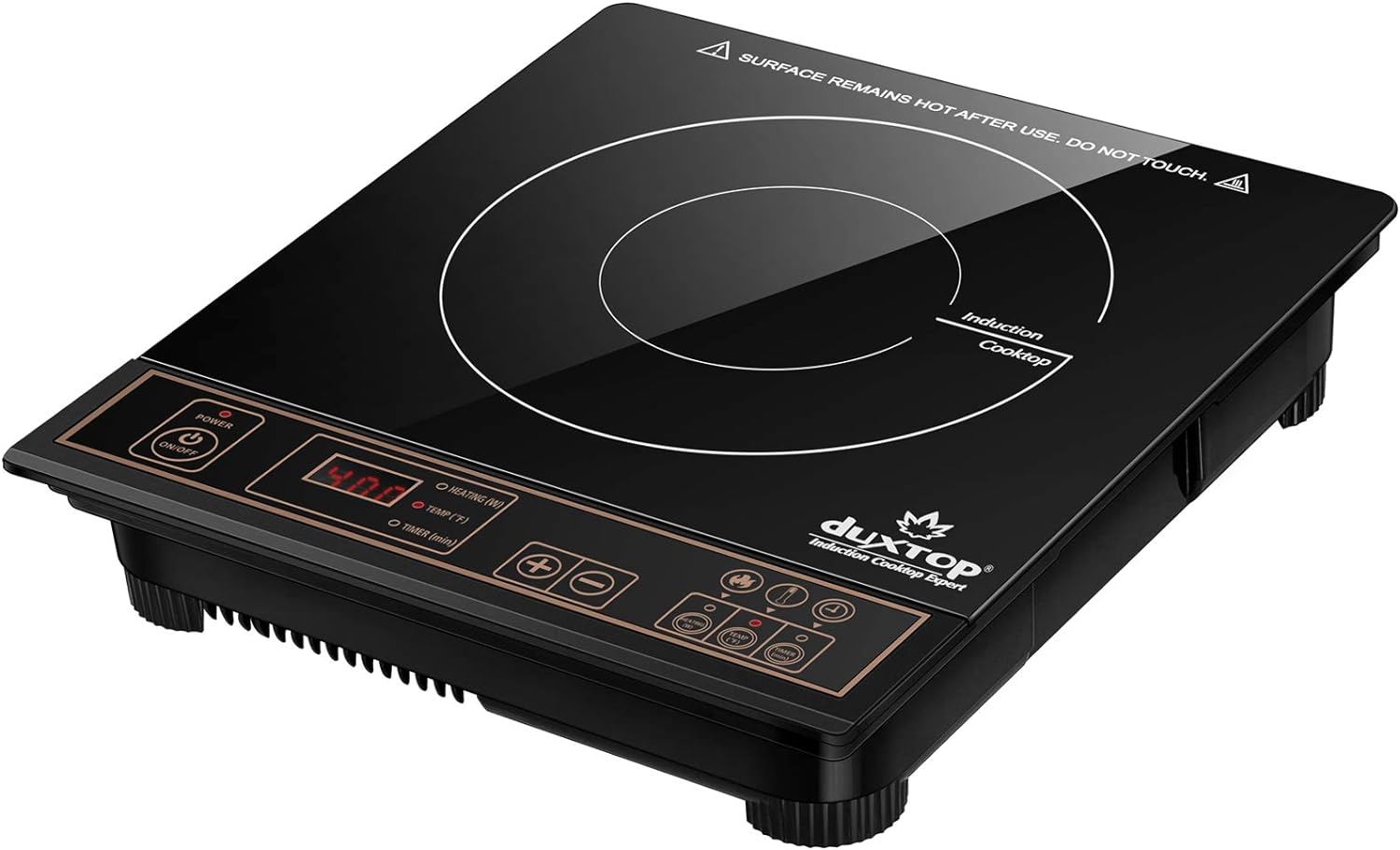
Finding a flexible cooking solution for small apartments, RVs, or crowded kitchens can be challenging when space is at a premium. A portable electric induction cooktop delivers powerful heating directly to compatible cookware without requiring a permanent stovetop installation. These countertop appliances plug into standard home outlets while offering precise temperature adjustments.
Modern induction burners use electromagnetic energy to heat pots and pans rapidly, offering a practical alternative to traditional gas or coil ranges. Features like digital touch panels, built-in timers, and preset cooking modes simplify everyday meal preparation. By understanding power levels, surface dimensions, and compatible cookware requirements, shoppers can select an ideal single burner for their specific culinary needs.
As an Amazon Associate, StacyLaughs earns from qualifying purchases.
Buying guide
Understanding Power Output and Wattage
Portable electric induction cooktops typically draw eighteen hundred watts of power, matching standard household electrical limits in North America. This electrical draw delivers rapid heating capabilities that surpass traditional electric coil burners. Shoppers should verify that their kitchen circuits can support this continuous amperage draw, especially when running other high-wattage appliances simultaneously on the same electrical circuit.
Lower wattage thresholds, such as starting points around ninety watts, allow for delicate melting and simmering tasks without scorching food. Evaluating the available power levels helps users match thermal intensity to specific recipes. Units with twenty incremental settings offer finer control than models featuring only eight basic intervals, ensuring optimal performance for frying or boiling.
Evaluating Temperature Control Ranges
Precise temperature regulation is essential for achieving consistent results across different cooking methods like frying, boiling, and simmering. Quality induction burners provide extensive temperature spans, often ranging from one hundred degrees up to four hundred sixty-five Fahrenheit. These wide boundaries enable users to shift seamlessly from low-temperature warming functions to high-heat searing without changing appliances.
Reviewing the incremental steps within the temperature scale helps buyers determine how easily they can maintain specific simmers and delicate sauces. Models with numerous preset levels reduce guesswork during complex meal preparations. Selecting a cooktop with clear digital feedback ensures that adjustments remain accurate throughout extended cooking durations, preventing accidental overheating or undercooking issues in daily use.
Cookware Material and Compatibility Requirements
Induction cooking relies entirely on electromagnetic energy transfer, making cookware selection a critical purchasing factor. These cooktops require flat-bottomed pots and pans crafted from magnetic materials such as cast iron, enameled steel, or magnetic stainless steel. Traditional aluminum or copper cookware without a bonded magnetic base will not generate heat on an induction surface.
Shoppers must inspect their existing kitchenware collections before purchasing an induction burner to verify material compatibility. Additionally, checking the recommended diameter ranges ensures that small saucepans or large stockpots make proper contact with the internal heating coil. Using correctly sized magnetic vessels maximizes energy efficiency and prevents automatic safety shut-offs triggered by unsupported cookware or improper base designs.
Surface Materials and Cleaning Maintenance
Countertop burners feature smooth ceramic glass or tempered glass surfaces that withstand high thermal loads while providing a sleek aesthetic. This flat construction simplifies post-cooking cleanup since spills do not bake onto exposed heating coils. Following manufacturer guidance for maintenance involves allowing the cooktop to cool completely before wiping the glass with non-abrasive cloths.
Avoiding harsh metal scouring pads protects the glass top from permanent scratches that could compromise its structural integrity over time. Users should also keep touch control panels free from moisture and grease buildup to maintain responsive button operation. Selecting a durable glass surface ensures long-term reliability while keeping routine maintenance straightforward and efficient in compact living spaces.
Safety Features and Automatic Protections
Built-in safety mechanisms are vital when operating high-wattage countertop appliances in tight spaces like RVs, dormitories, or office break rooms. Essential protections include automatic pan detection that shuts off power when cookware is removed, preventing dry heating. Child safety locks prevent accidental setting alterations, offering extra peace of mind for families with young children nearby.
Overheat protection sensors monitor internal temperatures to guard against electrical anomalies or prolonged high-heat usage during extended cooking tasks. Voltage warning systems alert users to electrical fluctuations, helping protect the internal components from damage. Evaluating these safety inclusions helps shoppers choose an appliance that balances high-performance heating with reliable everyday operational safeguards for peace of mind.
Portability Dimensions and Storage Convenience
The primary advantage of a portable induction cooktop lies in its compact physical footprint and lightweight design, often weighing between five and seven pounds. These dimensions allow users to store the appliance easily inside cabinets, closets, or travel bags when not in use. Assessing the physical width and depth ensures the unit fits comfortably on available countertop spaces.
Slim profiles and low heights make transportation straightforward for camping trips, vacation cabins, or temporary kitchen setups. Buyers should consider how often they plan to move the cooktop when evaluating its total weight and handle-free exterior design. Prioritizing a compact, lightweight layout guarantees effortless mobility without sacrificing the cooking power needed for daily meal preparation.
Frequently asked questions
What types of cookware work on a portable electric induction cooktop?
Induction cooktops require cookware with a magnetic bottom to function properly. Compatible materials include cast iron, enameled iron, steel, and stainless steel featuring a magnetic base layer. Standard aluminum, copper, or glass cookware will not heat up unless they feature a specially bonded magnetic disc on the bottom. Buyers can easily test their current pots and pans by placing a refrigerator magnet against the base; if the magnet holds firmly, the cookware is ready for induction use.
Why does my induction cooktop make a buzzing or clicking sound?
Induction cooking itself is an inherently silent electromagnetic process, but operational sounds frequently originate from the cookware rather than the appliance. High-pitched buzzing or clicking noises typically occur when using multi-layered clad cookware where different metals vibrate under the magnetic field. Thicker, heavy-gauge magnetic pots often minimize these sounds compared to lightweight multi-ply vessels. Additionally, cooling fans inside the cooktop unit generate a low hum during and after use to dissipate internal heat safely.
Can I use an extension cord with my portable induction burner?
Using extension cords with portable induction cooktops is generally discouraged due to the high electrical draw of eighteen hundred watts. These appliances require a stable fifteen-amp circuit to operate safely and efficiently without risking cord overheating or voltage drops. Plugging the unit directly into a wall outlet prevents electrical hazards and ensures the internal diagnostic systems receive consistent power. If placement requires extra reach, consult manufacturer guidelines and ensure any temporary power solution meets strict electrical ratings.
How should I clean and maintain the glass cooking surface?
Cleaning an induction cooktop surface requires waiting until the unit cools down completely to avoid thermal shock or burns. Once cool, wipe the ceramic glass or tempered glass top using a damp cloth and mild dish soap to remove grease and food residue. Avoid abrasive scrubbing pads, harsh scouring powders, or metal utensils that can scratch or dull the protective glass finish. Keeping the touch control panel clean and dry also ensures that digital sensors remain fully responsive during future cooking sessions.
What safety features should I look for in an induction cooktop?
Important safety features include auto-pan detection, which automatically turns off the heating element within seconds if no compatible cookware is present on the surface. Child locks prevent unintended setting changes by locking the control panel during operation. Overheat protection sensors monitor internal temperatures to prevent damage from excessive heat, while residual heat indicators warn users when the glass remains hot after cooking. These built-in safeguards ensure reliable, worry-free operation in compact kitchens and small living spaces.