Appliances · Buying Guide
Best Portable Induction Cooktop Options for Efficient Small Space Cooking
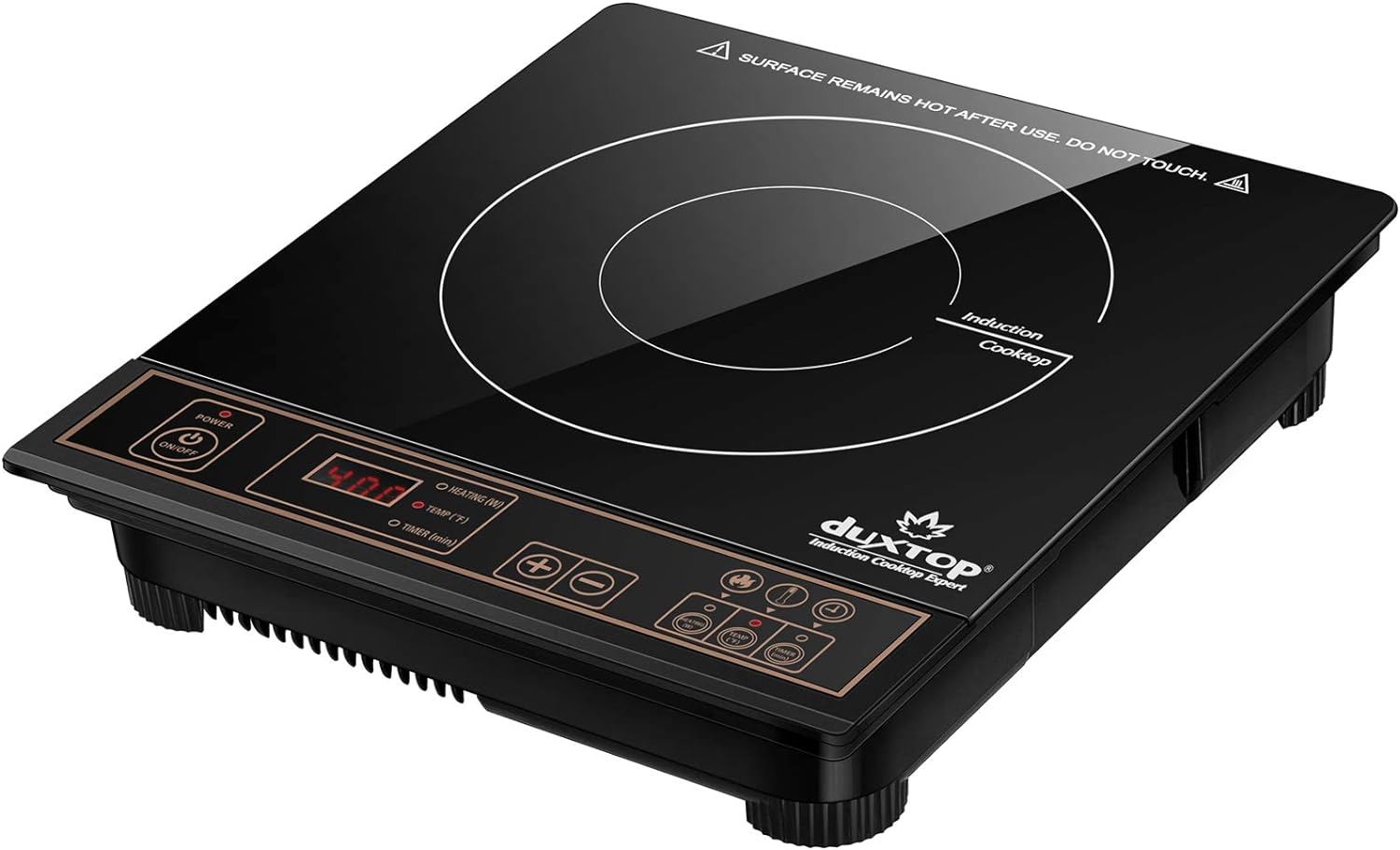
Finding an efficient cooking appliance for compact kitchens, dormitories, recreational vehicles, or studio apartments can completely transform your daily meal preparation routine. Portable induction cooktops offer a practical, energy-efficient alternative to traditional built-in ranges by utilizing advanced electromagnetic energy to heat compatible cookware directly rather than wasting ambient heat into the surrounding room.
When exploring portable induction cooktop costco options or general countertop burners, carefully evaluating power levels, temperature ranges, built-in timers, and safety controls ensures you select a reliable model tailored to your exact daily cooking habits, available counter space, and storage limitations without compromising on cooking performance or user safety.
As an Amazon Associate, StacyLaughs earns from qualifying purchases.
Buying guide
Evaluating Power Levels and Wattage Specifications
Understanding the electrical requirements of portable induction cooktops ensures seamless integration into your home setup. Most countertop burners operate on standard 120-volt outlets drawing up to 1800 watts of power. Selecting a model with multiple wattage or power levels allows you to manage energy consumption effectively, especially when operating in spaces with limited electrical capacity such as recreational vehicles or older apartments.
Units offering granular power adjustments give you finer control over boiling, simmering, and frying tasks. Evaluating how a cooktop distributes energy helps prevent circuit overloads while delivering the rapid heating performance characteristic of magnetic induction technology.
Temperature Ranges and Control Precision
Temperature control is a critical factor when preparing diverse recipes that demand specific thermal thresholds. Portable induction cooktops feature varying temperature spans, with some models offering broader ranges extending up to 575°F for high-heat searing. Reviewing the number of preset temperature increments helps determine whether a burner can handle delicate sauces or aggressive frying without scorching.
Digital touch panels and push-button interfaces dictate how easily you can adjust heat settings on-the-fly. Choosing an interface style that matches your personal preference ensures a smoother cooking experience during fast-paced meal preparation routines.
Cookware Compatibility and Material Requirements
Induction cooking relies entirely on electromagnetic interaction with compatible cookware. Before purchasing a portable burner, examine your existing pots and pans to verify they possess magnetic properties. Cast iron, enameled steel, and stainless steel cookware with bonded magnetic bases work efficiently, whereas aluminum and copper items are generally incompatible unless specially constructed.
Pay close attention to manufacturer guidelines regarding minimum and maximum cookware diameter dimensions. Using undersized or oversized pots can trigger automatic safety shut-off mechanisms or result in uneven heat distribution across the cooking surface.
Safety Features and Operational Safeguards
Modern portable induction cooktops incorporate numerous safety mechanisms to protect users during daily operation. Essential safeguards often include child safety locks to prevent accidental setting modifications, automatic pan detection systems that shut the unit off when cookware is removed, and overheat protection protocols.
Additional features such as residual heat indicators and voltage warning systems offer extra peace of mind in busy kitchens or shared living spaces. Prioritizing models with robust safety diagnostics helps ensure reliable, worry-free operation over years of consistent use.
Cleaning and Maintenance Best Practices
Maintaining a portable induction cooktop requires adherence to manufacturer cleaning guidelines to preserve the glass or ceramic surface. Because induction cooktops do not heat the surrounding glass directly, spilled food is less likely to bake onto the surface, simplifying routine wipe-downs after cooking sessions conclude.
Always allow the appliance to cool down completely before attempting any cleaning procedures. Utilizing non-abrasive cloths and recommended cleaning solutions helps protect the digital control panel and tempered glass top from unnecessary scratches or moisture damage.
Portability, Size, and Spatial Suitability
The primary advantage of a countertop induction burner is its compact footprint and lightweight design. When selecting a model for a dorm, office, boat, or tiny home, evaluate the physical dimensions and weight to ensure it fits comfortably on your available counter space and stores easily in cabinets.
A slim profile not only enhances portability for travel and outdoor use but also positions the internal heating coils closer to your cookware for efficient thermal transfer. Assessing your spatial constraints ensures the appliance integrates smoothly into your lifestyle.
Frequently asked questions
What kind of cookware do portable induction cooktops require?
Induction cooktops require magnetic-bottom cookware to function properly. Compatible materials include cast iron, enameled iron, steel, and stainless steel with a magnetic bottom layer. Non-magnetic materials like aluminum, glass, or copper will not work unless they feature an integrated magnetic induction plate. Always check your cookware diameter against manufacturer specifications to ensure proper sensor detection and heating efficiency.
Can portable induction burners replace a traditional kitchen stove?
A portable induction burner can successfully handle many daily cooking tasks such as boiling, frying, simmering, and searing. However, substituting a full traditional range depends heavily on your household cooking volume and meal complexity. While single burners excel in small spaces, dorms, and RVs, preparing multi-course meals simultaneously may require additional burners or a traditional multi-element stovetop.
Why does my induction cooktop make a high-pitched noise?
High-pitched sounds during induction cooking are typically caused by the cookware itself rather than the appliance. Multi-layered or clad cookware containing sandwiched sheets of different metals can vibrate under electromagnetic frequencies. This noise is a normal characteristic of induction physics and does not indicate a defect in the cooktop unit or compromise its heating performance.
How do safety features like auto-pan detection operate?
Auto-pan detection systems monitor the magnetic connection between the cooktop coil and the bottom of your cookware. If the unit detects that no cookware is present, or if an incompatible pan is placed on the surface, it will automatically shut off after a designated timeframe, such as sixty seconds. This safeguard prevents accidental energy transfer and conserves electricity.
What is the best way to clean and maintain the glass surface?
To clean your induction cooktop safely, always allow the appliance to cool down completely after use. Wipe the tempered glass or ceramic surface with a damp, non-abrasive cloth and mild cleaner. Avoid harsh scouring pads or abrasive chemical sprays that could scratch the digital control panel or damage the glass finish over time.