Appliances · Buying Guide
Best Portable Induction Cooktop Options for Small Kitchen Spaces
Finding the right cooking appliance for a compact kitchen, RV, studio apartment, or dorm room often requires balancing high power output with a small physical footprint. Portable induction cooktops offer an efficient alternative to traditional gas or electric stoves by transferring magnetic energy directly to compatible cookware, which speeds up boiling times and improves overall energy efficiency in small living spaces.
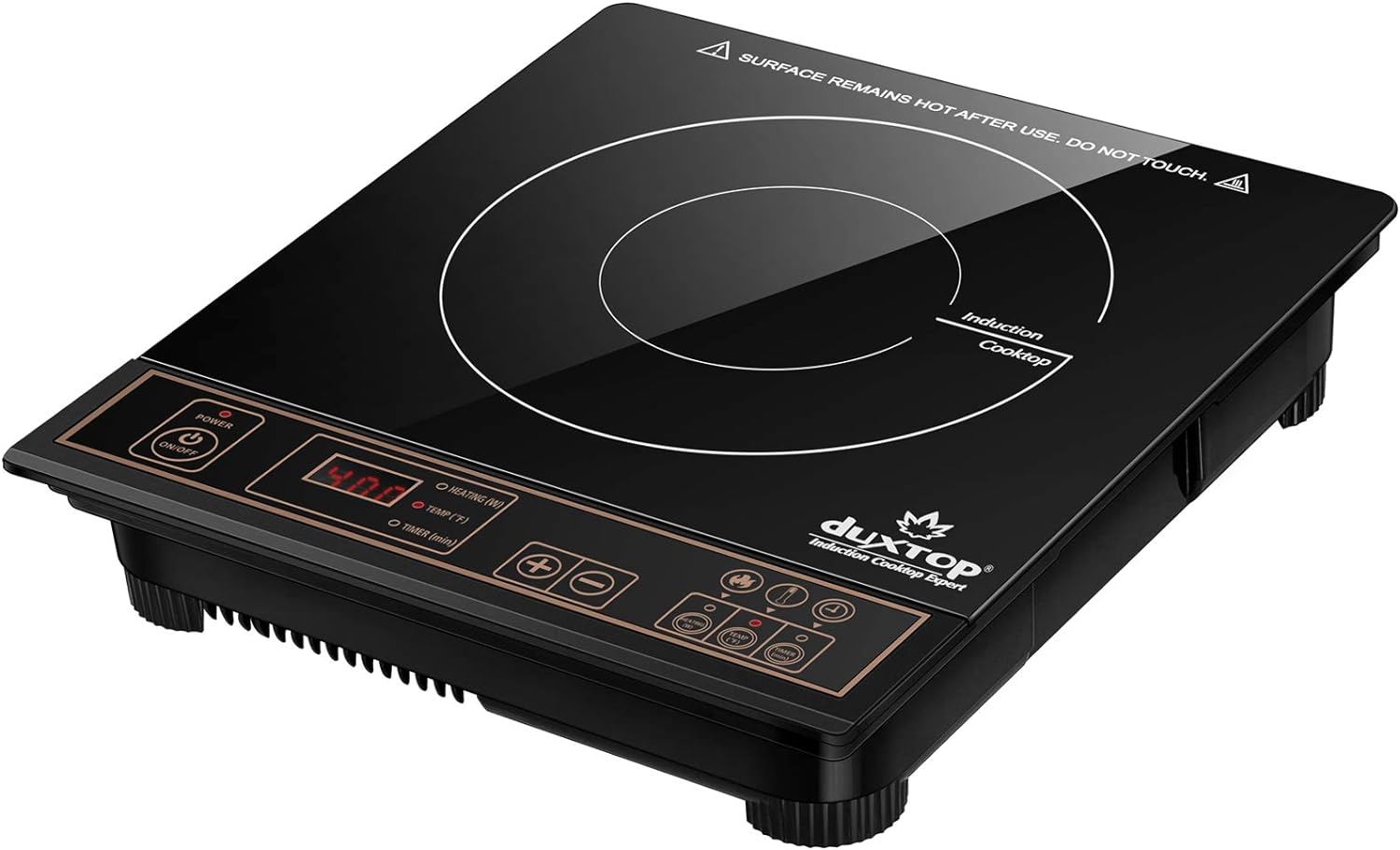
These versatile single-burner cooktops provide rapid heating capabilities and precise temperature adjustments without demanding permanent installation space on crowded countertops. Carefully reviewing key specifications like wattage limits, temperature ranges, control panel types, and safety features helps everyday shoppers select a reliable heating unit suited for their specific cooking routines and spatial constraints.
As an Amazon Associate, StacyLaughs earns from qualifying purchases.
Buying guide
Wattage and Power Output
Evaluating the wattage capacity of a portable induction cooktop is essential for ensuring the appliance meets your daily cooking demands without overloading circuits. Most standard countertop models operate at 1800 watts, utilizing a standard 120-volt electrical outlet commonly found in residential homes. This high power level allows for rapid water boiling and efficient frying performance.
Certain versatile units also offer adjustable wattage limits, including 900 or 1500 watt options, which prove especially useful when plugging the burner into restricted power sources in recreational vehicles or dormitory rooms. Reviewing your specific electrical environment helps determine the appropriate power capacity needed for uninterrupted meal preparation without risking tripped circuit breakers.
Temperature and Power Increments
The number of temperature and power increments directly influences how precisely you can manage your cooking processes. Many standard induction cooktops feature anywhere from eight to twenty distinct power levels. Units with a higher count of adjustable increments allow home cooks to transition smoothly from a delicate, low-heat simmer to a high-heat searing environment.
Assessing your typical recipes helps clarify whether you require fine-grained temperature customization or simple heating steps. Cooktops offering extensive temperature ranges spanning up to 575 degrees Fahrenheit support specialized searing techniques. Conversely, basic models with fewer settings suffice for standard boiling and frying tasks without introducing unnecessary complexity during meal preparation.
Cookware Compatibility Requirements
Understanding cookware compatibility is vital because induction cooktops rely entirely on magnetic energy transfer to generate heat. These appliances require pots and pans featuring a flat, magnetic bottom constructed from materials like cast iron, enameled iron, or magnetic stainless steel. Standard aluminum, copper, or glass cookware will not interact with the magnetic coil and will fail to heat up.
Checking the base diameter of your existing cookware collection is equally important before purchasing a portable burner. Many induction cooktops specify minimum and maximum base dimensions, such as five to eight inches, to ensure proper sensor contact. Verifying these measurements prevents compatibility issues and guarantees efficient energy transfer during cooking.
Safety and Control Features
Modern portable induction burners incorporate various safety and control features designed to protect users during operation. Common safety mechanisms include automatic pan detection systems that shut the unit off if cookware is removed, along with thermal overheat protection. Child safety locks prevent accidental button presses, making these appliances safer for households with children or pets.
Control panel designs also vary between touch-sensitive digital screens and traditional push buttons. Touch panels offer sleek aesthetics and easy wipe-down maintenance, while physical buttons provide tactile feedback. Selecting a control style and safety suite that matches your comfort level ensures a secure and intuitive cooking experience every time you use the burner.
Physical Dimensions and Portability
The physical dimensions and weight of a portable induction cooktop dictate how easily you can transport and store the appliance. Lightweight models weighing under seven pounds are exceptionally easy to move between kitchen counters, cabinets, or storage closets. Compact footprints with low profiles take up minimal counter space, making them ideal for small studio apartments.
When evaluating size, consider where you plan to use the cooktop and how much storage room is available. A compact design allows you to pack the burner easily for weekend trips, RV travels, or cabin getaways. Ensuring the physical dimensions match your available storage space prevents clutter and maintains a tidy cooking environment.
Surface Materials and Cleaning
Surface materials significantly impact both the durability and the ease of maintenance for portable induction cooktops. Most quality burners utilize smooth glass, tempered glass, or heavy-duty ceramic glass cooking surfaces. Because induction technology only heats the cookware rather than the surrounding glass surface, food spills are less likely to bake onto the cooktop during active meal preparation.
This design characteristic simplifies cleanup routines, allowing users to wipe away debris easily with a damp cloth once the unit cools down. Reviewing the durability ratings and glass composition helps ensure the cooktop withstands regular daily use while maintaining a clean, professional appearance on your kitchen countertop over extended periods of time.
Frequently asked questions
Can I use regular aluminum or copper cookware on a portable induction cooktop?
No, traditional non-magnetic aluminum, copper, or glass cookware will not work on a portable induction cooktop. Induction technology requires cookware with a magnetic bottom, such as cast iron, enameled steel, or magnetic stainless steel, to complete the electromagnetic circuit and generate heat. If a magnet does not stick firmly to the bottom of your pot or pan, the cooktop will not recognize the cookware, and an auto-detection safety feature will typically shut the unit off automatically.
Why is my induction cooktop making a high-pitched buzzing sound during use?
High-pitched buzzing or humming sounds during induction cooking are entirely normal and originate from the cookware rather than the appliance itself. This acoustic noise commonly occurs when using multi-layer clad cookware, where several distinct metal layers are sandwiched together in the base. The rapid electromagnetic oscillations cause these dissimilar metal layers to vibrate slightly against one another. Switching to heavy single-layer cast iron or solid magnetic stainless steel cookware can help reduce or eliminate this operational noise.
What happens if I remove my pan from the cooktop while it is running?
When you lift or remove compatible cookware from a portable induction cooktop during operation, the internal auto-pan detection system immediately senses the absence of a magnetic load. Most induction burners are programmed to flash an error code or enter a standby mode, automatically shutting off entirely if no correct cookware is detected within a short timeframe, usually around sixty seconds. This safety mechanism prevents energy waste and stops the heating coil from running continuously while exposed.
Are portable induction cooktops safe to use in RVs and small apartments?
Yes, portable induction cooktops are exceptionally well-suited for recreational vehicles, dormitories, cabins, and small studio apartments where a full-sized range is unavailable. Because they run on standard 120-volt electrical outlets and feature compact, lightweight designs, they fit easily onto limited counter spaces. Furthermore, advanced safety additions such as automatic shut-off, child locks, and overheat protection make them secure and practical choices for temporary or permanent compact living environments requiring efficient cooking appliances.
How should I clean and maintain the glass surface of my induction burner?
Cleaning and maintaining the glass or ceramic glass surface of an induction cooktop is straightforward because the glass does not get as scorching hot as traditional electric coil burners. Always allow the unit to cool down completely before attempting any cleaning. You can then wipe away everyday food splatters and grease easily using a soft, damp cloth or sponge with mild soap. Avoid abrasive scouring pads or harsh chemical cleaners that could scratch or damage the tempered glass surface over time.