Appliances · Buying Guide
Best Pressure Cooker Spanish Rice Options for Flavorful Meals

Making flavorful, well-cooked meals like seasoned rice dishes requires a reliable appliance that manages heat and pressure efficiently. Modern multi-cookers and dedicated rice cookers simplify the process of combining ingredients like tomatoes, broth, and spices into a cohesive dish without constant monitoring on a stovetop. Choosing the right machine depends on your preferred capacity, desired cooking presets, and whether you want a multi-purpose device or a specialized rice cooker.
This overview explores several popular pressure-cooking appliances available on the market, detailing their core specifications and practical attributes. By examining the physical capacity, wattage, and specialized features of each model, you can determine which unit aligns with your home cooking habits. Whether you need a compact device for daily side dishes or a large-capacity cooker for family gatherings, understanding these options helps guide a practical purchasing decision.
As an Amazon Associate, StacyLaughs earns from qualifying purchases.
Buying guide
Capacity Requirements
Selecting the correct capacity ensures your appliance matches your household size and meal prep habits. Smaller models around 5 to 5.5 cups or 6 quarts suit couples and small families.
Larger units holding up to 20 cups cooked accommodate guests and batch cooking sessions. Consider your typical portion sizes before purchasing.
Power and Wattage
Wattage ratings dictate how quickly an appliance can heat water, build internal pressure, and maintain stable temperatures. Units ranging from 1000 to 1240 watts provide adequate energy for rapid cooking.
Higher wattage often translates to faster pressurization times, though kitchen circuit loads should be verified for high-draw countertop appliances.
Inner Pot Materials
The material of the cooking pot influences heat distribution and cleanup methods. Stainless steel offers durability and withstands metal utensils without scratching its surface.
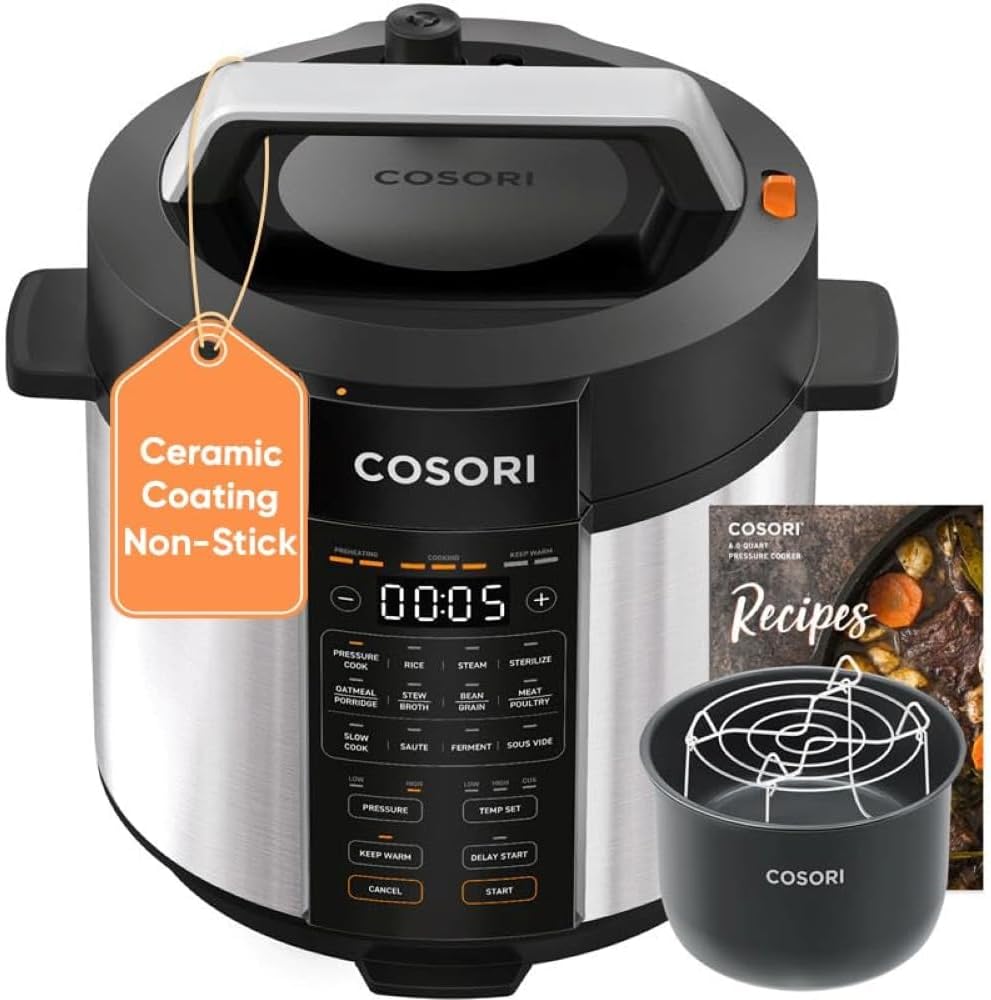
Ceramic non-stick coatings prevent food from clinging during simmering but demand careful handling to avoid abrasives during cleaning routines.
Safety Mechanisms
Pressure cooking involves high temperatures and trapped steam, making safety features essential. Look for secure locking lids, overheat protection, and automated pressure release valves.
Angled steam vents and dedicated release buttons keep hands away from hot vapor, reducing accidental steam exposure during operation.
Preset Cooking Functions
Multi-cookers offer various preset programs for grains, stews, yogurt, and steaming. These automated cycles take the guesswork out of timing and temperature regulation.
Dedicated rice cookers utilize artificial intelligence or fuzzy logic to adjust cycles specifically for different rice varieties.
Maintenance and Cleanup
Removable inner lids, dishwasher-safe pots, and smooth exterior housings simplify post-cooking cleanup. Stainless steel components generally withstand machine washing.
Units requiring hand-wash care need gentle cleaning products to protect specialized coatings, inner seals, and electronic housing finishes.
Frequently asked questions
Can I cook Spanish rice directly in an electric pressure cooker?
Yes, electric pressure cookers handle rice dishes effectively by combining dry grains, liquids, and seasonings into a single pot. The sealed environment builds steam pressure that cooks the rice and absorbs flavorful broths and tomato bases quickly. Users should follow specific liquid-to-grain ratios recommended in their recipe guidelines to prevent burning or undercooking. Using the sauté function beforehand also allows you to brown aromatics like onions and garlic directly in the inner pot before pressure cooking begins.
What is the difference between a multi-cooker and a dedicated rice cooker?
A multi-cooker combines pressure cooking, slow cooking, steaming, and sautéing into a single appliance, making it flexible for various recipes. Dedicated rice cookers specialize primarily in grain preparation, often utilizing advanced technologies like induction heating and artificial intelligence to refine texture. While a multi-cooker saves counter space by replacing several kitchen tools, a specialized rice cooker provides tailored programming specifically designed to optimize rice stickiness, fluffiness, and moisture content across multiple grain varieties.
How do I clean the inner pot of a pressure cooker properly?
Cleaning methods depend heavily on the material of your inner pot. Stainless steel pots tolerate mild scrubbing pads and dishwasher cycles easily, though stubborn starches may require brief soaking. Ceramic-coated pots require non-abrasive sponges and mild dish soap to protect the non-stick surface from scratching. Always check the manufacturer care instructions, as some specialized lids and bases must be wiped down by hand rather than submerged in water or placed in automated dishwashers.
Why is safety venting important on high-pressure cookers?
Safety venting systems control the release of hot steam built up during pressurized cooking. Modern designs incorporate angled steam release spouts and remote buttons positioned away from the valve to direct vapor safely away from hands and cabinets. This design minimizes the risk of accidental burns when transitioning the appliance from pressurized operation to normal room pressure. Proper venting mechanisms ensure that pressure is discharged smoothly before opening the secure-locking lid.
Does appliance wattage affect cooking time for rice and grain dishes?
Appliance wattage influences how quickly water reaches boiling point and builds internal pressure. Units with higher wattage ratings generally heat up faster, which can reduce the overall time required to complete a pressure-cooking cycle. However, the actual cooking duration once pressure is established depends more on the specific food type and preset program. Matching the wattage to your kitchen electrical capacity ensures consistent and reliable performance during meal preparation.