Appliances · Buying Guide
Best Pressure Cooker Sushi Rice Options for Perfect Grains
Preparing sushi rice at home requires consistent heat and reliable moisture control to achieve the ideal sticky yet distinct texture. Traditional methods can be demanding, requiring careful attention to water ratios and cooking times. Modern automated cookers and pressure devices simplify this process by using advanced heating technologies and specialized menu settings designed specifically for grains like sushi rice, white rice, and mixed varieties.
Choosing the right appliance depends on your household size, preferred cooking functions, and available kitchen counter space. Units range from computerized fuzzy logic models equipped with dedicated sushi settings to multi-functional pressure cookers capable of handling various meals. Reviewing the core specifications, physical dimensions, and operational features of each appliance helps you select a dependable device that fits your daily cooking routine and dietary preferences.
As an Amazon Associate, StacyLaughs earns from qualifying purchases.
Buying guide
Capacity and Batch Size Considerations
Selecting the appropriate appliance capacity ensures you can prepare enough rice for your household without wasting electrical energy or valuable kitchen counter space. Available models range from compact 3-cup uncooked options suitable for small families or single individuals to larger 6-quart pressure cookers capable of handling extensive meal batches for frequent household gatherings.
Buyers should carefully evaluate typical portion sizes, household eating habits, and gathering frequencies when choosing a device. Measuring capacities accurately using manufacturer-provided measuring cups prevents liquid overflow and guarantees proper grain expansion during active cooking cycles, ensuring consistent texture and flavor for daily meals, side dishes, and specialty preparations alike.
Heating Technology and Fuzzy Logic
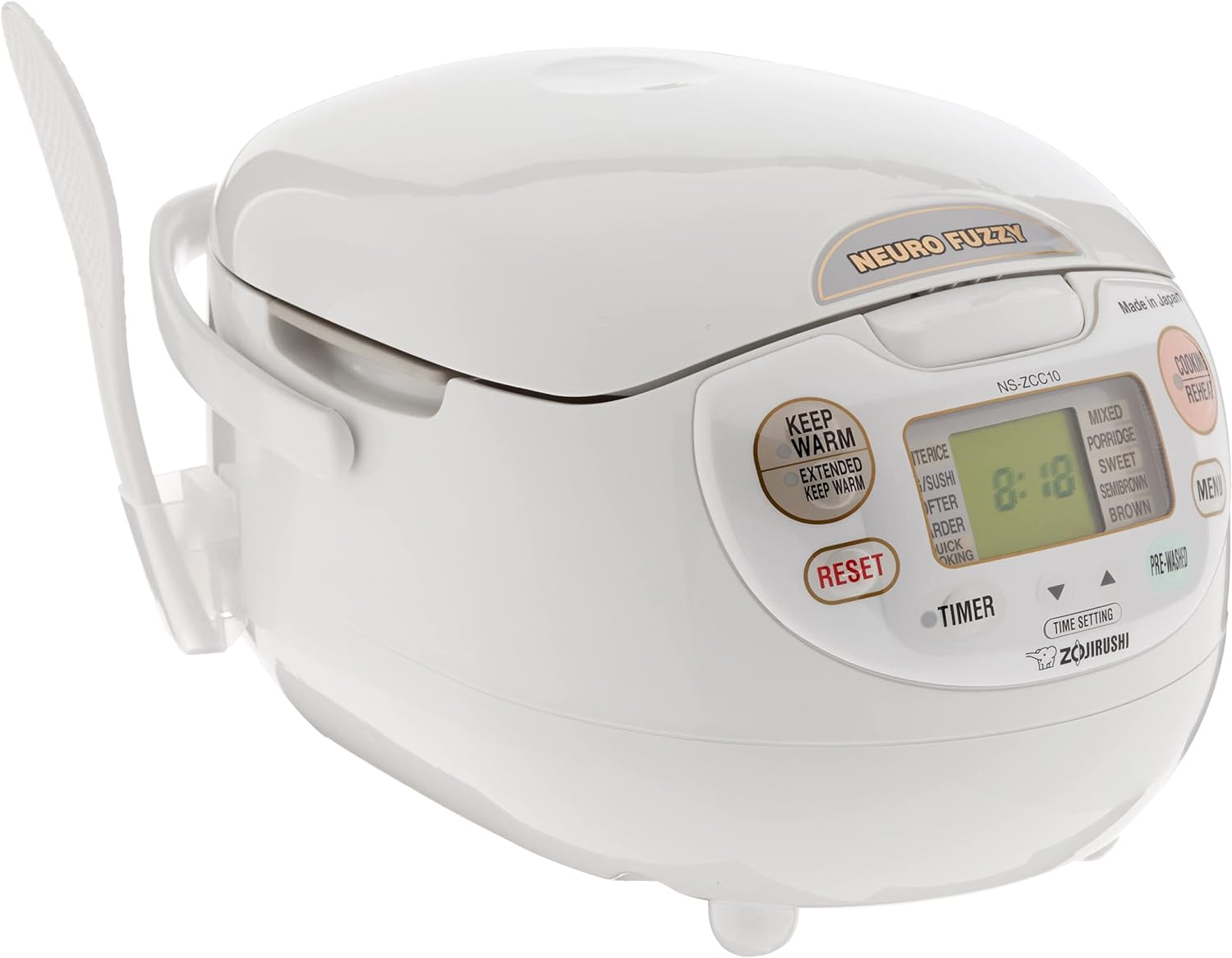
Advanced heating technologies, such as micro computerized fuzzy logic and specialized three-dimensional warming systems, play a critical role in achieving properly cooked grains. These intelligent systems automatically adjust internal temperatures and cooking durations based on real-time sensor feedback, preventing undercooked centers or scorched bottoms during operation across various menu selections.
Selecting an appliance with sophisticated heating logic reduces guesswork, especially when preparing delicate grains like sushi rice or mixed varieties. Unlike basic heating elements, fuzzy logic systems adapt dynamically throughout the entire cooking cycle, ensuring optimal moisture retention and uniform texture without constant manual supervision from the busy home cook.
Material Composition and Inner Pots
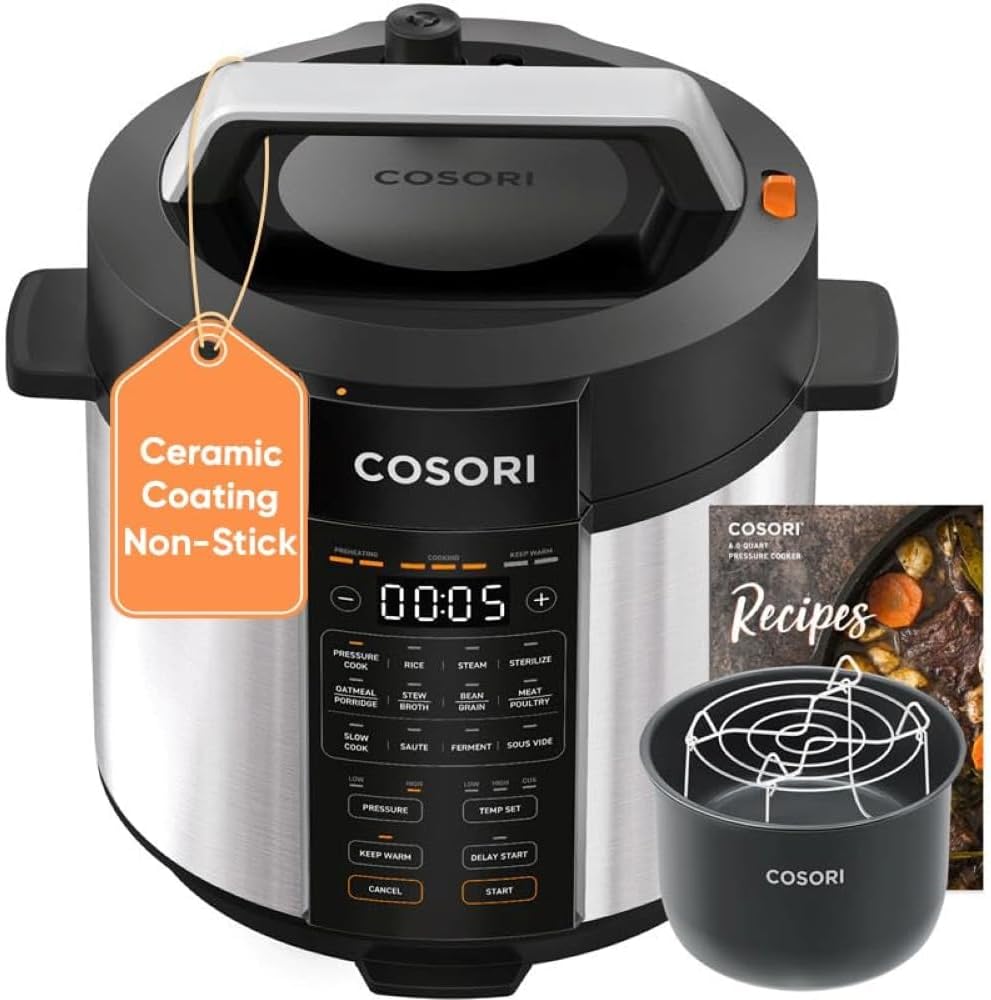
The physical material of the inner pot significantly impacts heat distribution, food release, and overall operational durability. Many modern cookers utilize spherical or thick non-stick pots featuring specialized ceramic coatings that are completely free from harmful substances, promoting safer food contact and straightforward food release after meals.
When evaluating options, shoppers should consider whether the inner pot features scratch-resistant surfaces and whether the manufacturer permits dishwasher cleaning or mandates gentle hand washing with mild soap and soft cloths. Understanding these material properties ensures long-term satisfaction and protects the inner coating from premature wear during daily kitchen maintenance routines.
Power Ratings and Electrical Specs
Power ratings directly influence how quickly an appliance heats up and executes various cooking programs. Standard rice cookers generally operate between 425 and 680 watts, providing balanced thermal energy for delicate grain simmering, whereas multi-function electric pressure cookers often draw 1100 watts for rapid pressure building and intensive cooking tasks.
Buyers should check their kitchen electrical setup and match wattage expectations to their daily cooking style. Lower-wattage units conserve electrical energy during prolonged keep-warm cycles, while higher-wattage pressure systems deliver heavy-duty cooking versatility for meats and stews alongside standard rice preparation capabilities.
Cleaning and Maintenance Requirements
Maintaining kitchen appliances properly extends their operational lifespan and ensures hygienic food preparation for every meal. Models often feature removable inner lids, detachable steam vent caps, and smooth stainless steel exteriors that simplify wiping down outer surfaces with a damp cloth after cooking sessions conclude.
Reviewing manufacturer guidelines regarding dishwasher safety versus hand washing helps set realistic expectations for daily cleanup routines. While some electric pressure cookers include dishwasher-safe pots and lids, many specialized fuzzy logic rice cookers require gentle manual washing with mild soap and soft cloths to preserve delicate coatings.
Multi-Functionality Versus Dedicated Cookers
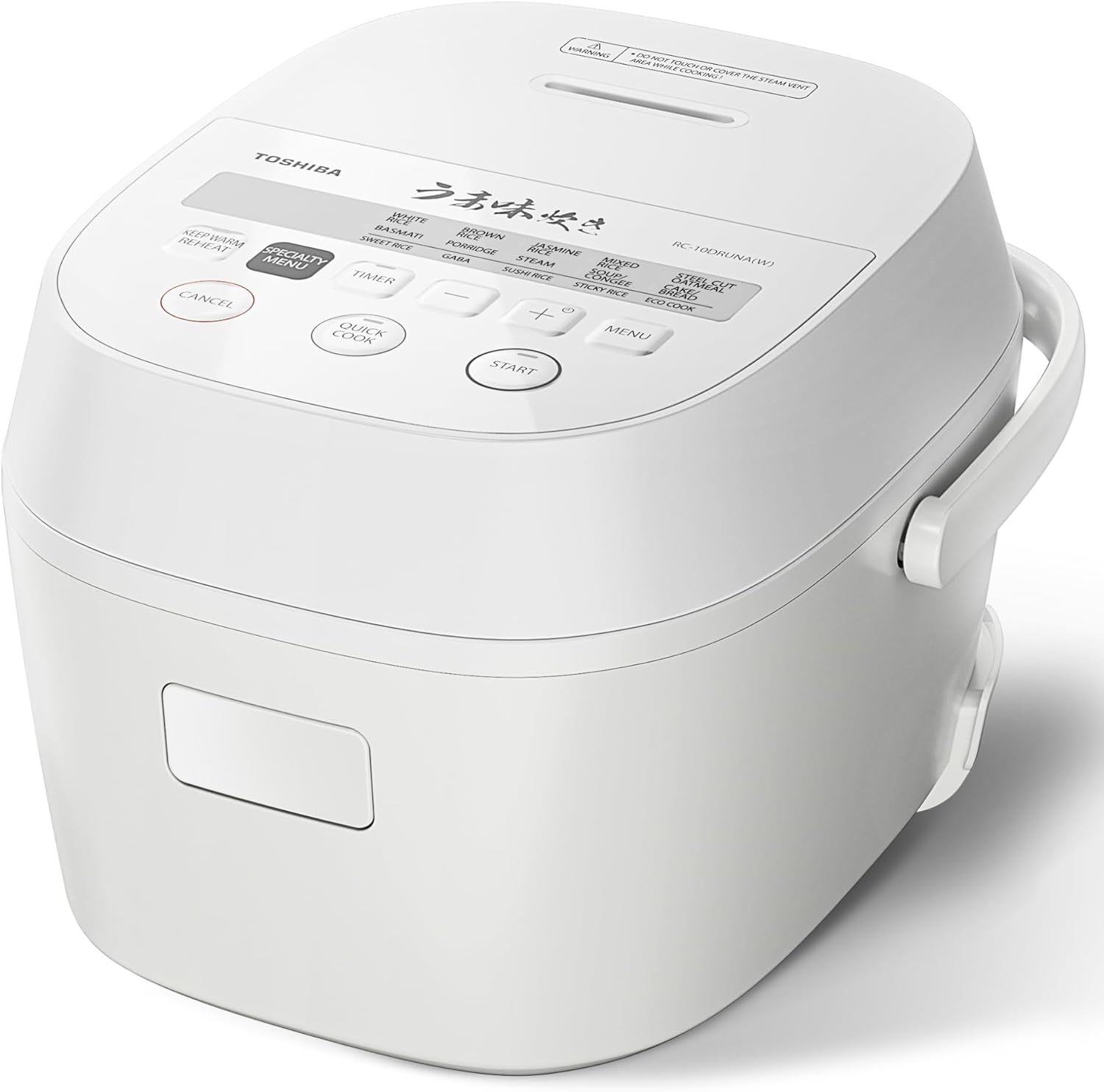
Deciding between a dedicated rice cooker and a versatile multi-function pressure cooker depends entirely on the variety of dishes you plan to prepare regularly. Dedicated fuzzy logic appliances specialize in perfecting rice grains, sushi rice, and porridge with highly tailored menu settings.
Conversely, multi-function pressure cookers combine numerous appliances into one single housing unit, offering settings for slow cooking, steaming, sautéing, and meat preparation alongside standard rice modes. Buyers who value counter space consolidation often favor multi-use units, while grain purists prioritize dedicated rice preparation features.
Frequently asked questions
Can I use a regular rice cooker to make sushi rice?
Yes, many advanced rice cookers feature dedicated white rice or sushi settings that adjust internal temperatures to properly cook grains. Using the exact measuring cup supplied with your appliance is essential for maintaining correct water-to-rice ratios. Once cooked, transferring the hot rice to a wide container allows you to mix in sushi vinegar seasoning evenly without mashing the tender grains. Selecting a cooker with fuzzy logic technology further helps achieve the consistent texture required for traditional sushi preparation.
What is the difference between a fuzzy logic rice cooker and a pressure cooker?
A fuzzy logic rice cooker uses micro computerized sensors to monitor and adjust temperature and cooking time dynamically, focusing primarily on grains, porridge, and steaming. In contrast, a multi-function pressure cooker traps steam to build high internal pressure, cooking food much faster and handling heavy-duty tasks like meat stews, slow cooking, and bean preparation. While both appliances can cook rice, dedicated fuzzy logic models emphasize precise grain texture, whereas pressure cookers offer broader meal versatility.
Do I need to wash the inner pot by hand, or is it dishwasher safe?
Cleaning requirements vary significantly depending on the specific model and manufacturer guidelines. Many specialized fuzzy logic rice cookers specify that inner pots and lids should be washed by hand using mild soap and soft cloths to protect delicate non-stick coatings. Conversely, certain multi-function pressure cookers feature ceramic-coated inner pots and removable lids explicitly designated as dishwasher-safe. Always review the product care instructions provided by the manufacturer before placing any component into a dishwasher.
Why must I use the specific measuring cup included with my rice cooker?
Rice cooker manufacturers calibrate their automated cooking programs and water-marking lines based on the exact volumetric capacity of the specific measuring cup packaged with the device. Standard household measuring cups often vary slightly in volume, which can disrupt the delicate water-to-rice ratios required by computerized fuzzy logic sensors. Using the supplied cup ensures consistent cooking results, preventing water overflow during the cycle and keeping your rice from turning out overly dry or mushy.
Can multi-function pressure cookers handle delicate grains like sushi rice effectively?
Multi-function pressure cookers include dedicated rice cooking presets designed to handle standard grains alongside their high-pressure capabilities. While they cook rice efficiently using pressurized steam, they may lack the specialized micro-computerized fuzzy logic adjustments found in dedicated rice cookers that fine-tune heat for sushi or mixed grains. If you primarily cook diverse meals requiring pressure cooking, steaming, and occasional rice, a multi-function cooker works well, though purists often prefer specialized fuzzy logic units.