Appliances · Buying Guide
Best Pressure Cooker White Rice Options for Fluffy Grains
Cooking white rice under pressure transforms raw grains into tender, evenly cooked portions much faster than traditional stovetop methods. Modern electric cookers manage heat and timing automatically, removing the daily guesswork from meal preparation. Whether you need to feed a large family or prepare a quick side dish, choosing the right appliance depends on your daily cooking habits and available kitchen counter space.
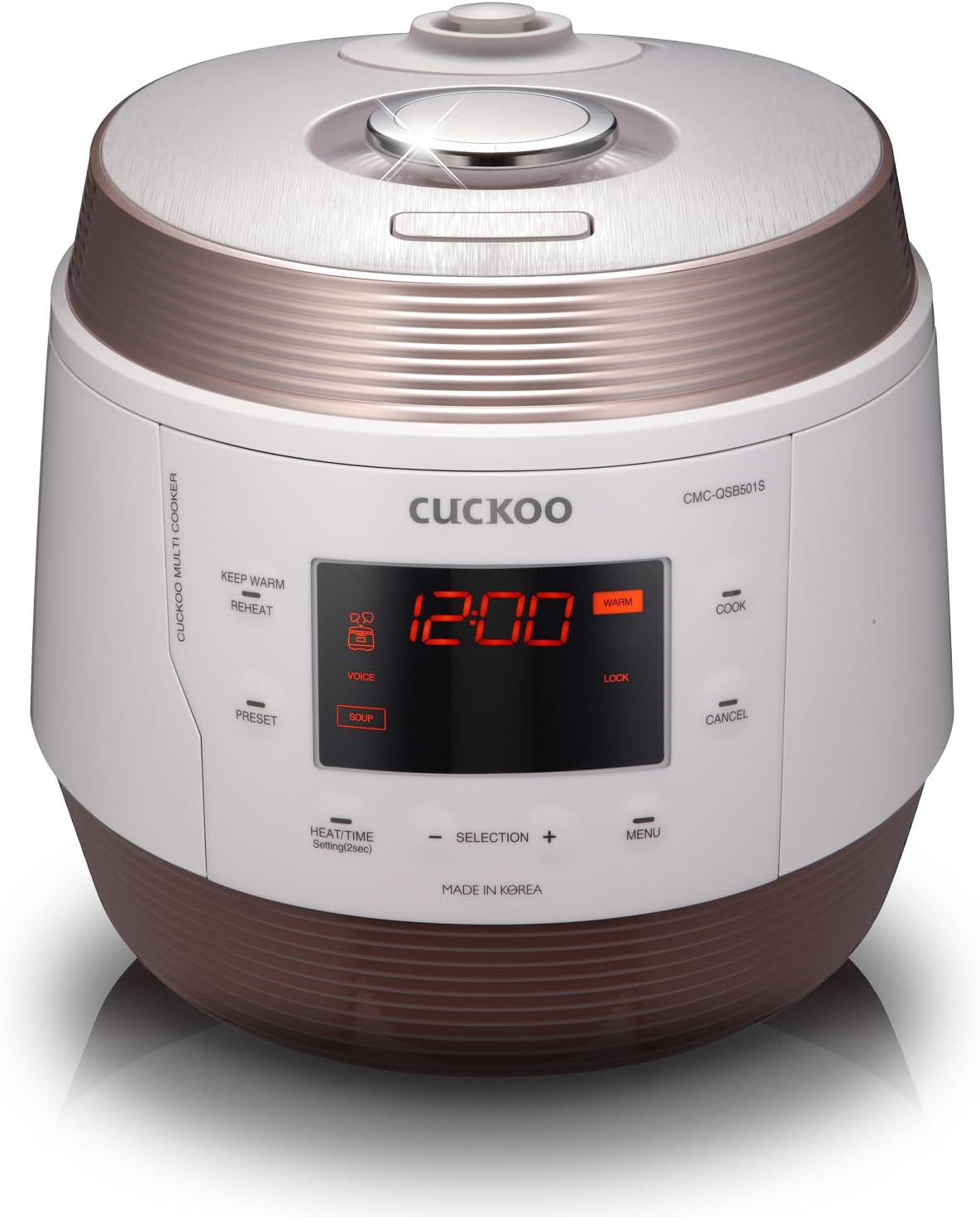
Different models offer specialized pressure settings, varying capacities, and multi-functional modes that handle everything from steaming to slow cooking. Examining specific power ratings, dimensions, and inner pot materials helps align your purchase with everyday kitchen needs. Below, we explore five distinct pressure cookers capable of preparing white rice and other staple dishes efficiently.
As an Amazon Associate, StacyLaughs earns from qualifying purchases.
Buying guide
Assessing Capacity and Household Size
Selecting the right pressure cooker for white rice starts with evaluating your household size and typical meal portions. Models range from compact six-cup variants to large twenty-cup cooked capacities. Smaller cookers suit couples or single-person meal prep, saving counter space while still delivering fluffy grains. Larger units accommodate family gatherings easily but require significantly more storage and counter space. Match your daily cooking volume carefully to avoid buying an oversized appliance or running out of room during batch cooking sessions.
Consider how often you cook for guests when reviewing capacity numbers. A larger pot handles mixed grains and large rice batches without overcrowding, ensuring even heat distribution throughout the cooking cycle. Conversely, smaller vessels heat up faster and fit easily inside standard kitchen cabinets. Measure your available storage space before purchasing to ensure the exterior dimensions align with your kitchen layout.
Understanding Inner Pot Materials
The inner cooking pot plays a major role in heat distribution, food safety, and long-term durability. Many modern pressure cookers utilize food-grade stainless steel pots with tri-ply bottoms for even heating and safe sautéing. Other models feature specialized nonstick diamond or ceramic coatings that prevent cooked rice from sticking to the bottom. Stainless steel options offer exceptional resistance to scratching and peeling over years of daily use.
When choosing a pot material, weigh cleanup convenience against longevity. Nonstick coatings simplify hand washing and food release, but they require gentle utensils to prevent surface damage. Surgical-grade stainless steel pots eliminate peeling concerns entirely and withstand rigorous cleaning routines. Review your cleaning preferences to decide whether a coated surface or pure metal interior best suits your kitchen habits.
Evaluating Pressure Levels and Heating Methods
Pressure cookers employ different mechanisms to cook white rice and other grains efficiently. Standard electric units apply moderate pressure combined with digital timers to speed up cooking times compared to stovetop methods. Advanced models incorporate induction heating technology or high-pressure ratings up to twenty-one or twenty-six PSI. These higher pressure levels penetrate grain fibers quickly, producing tender results for difficult multi-grain recipes and sticky rice alike.
Dual pressure models offer additional flexibility by letting you switch between high-pressure and non-pressure cooking modes. This feature lets you choose between sticky rice textures and fluffy, separated grains depending on the meal plan. Induction heating systems distribute thermal energy uniformly around the inner pot for consistent cooking performance. Assess whether you need advanced pressure customization or standard multi-cooker convenience for your weekly menu.
Power Requirements and Electrical Compatibility
Electrical specifications dictate where and how you can operate your chosen pressure cooker safely. Standard kitchen appliances typically run on one hundred twenty volts, plugging easily into regular household wall outlets. However, specialized high-capacity or dual-pressure models may require two hundred twenty volts or draw up to fifteen hundred watts of power. Exceeding standard circuit loads or mismatching voltage requirements can prevent proper operation or require specialized electrical adapters.
Check your kitchen outlet voltage and available circuit capacity before selecting a heavy-duty cooker. High wattage demands mean the appliance draws significant current during rapid heating phases, which can affect shared kitchen circuits. Reviewing these specifications prevents installation surprises and ensures your appliance operates reliably. Always verify the manufacturer voltage guidelines to match your home electrical setup correctly.
Multi-Functional Features and Preset Programs
Modern pressure cookers frequently double as versatile multi-cookers that replace several standalone kitchen appliances. Built-in smart programs handle slow cooking, steaming, yogurt making, and sautéing alongside standard white rice preparation. Touchscreen LED panels and digital displays make switching between these modes straightforward. Voice guides in multiple languages provide audible status updates during complex cooking cycles, adding convenience for everyday meal preparation tasks.
Assess which specific cooking modes you will actually use before prioritizing a feature-heavy appliance. If you primarily cook rice and simple soups, a dedicated rice cooker with basic presets may suffice. For users who frequently brown meats or steam vegetables in the same pot, a multi-functional unit streamlines the cooking process. Selecting the right combination of presets reduces countertop clutter and simplifies your daily cooking routine.
Cleaning and Maintenance Practicalities
Regular cleaning keeps your pressure cooker hygienic and ensures dependable performance over time. Models with dishwasher-safe inner pots, lids, and accessories simplify post-cooking cleanup routines significantly. Other units require hand washing due to specialized nonstick coatings or sensitive electronic exterior designs. Built-in auto-cleaning functions use steam pressure to sanitize the internal steam paths and eliminate trapped food odors automatically.
Factor maintenance requirements into your purchasing decision based on your preferred cleanup style. Removable power cords and detachable inner lids make accessing hard-to-reach areas much easier during manual washing routines. Review the manufacturer care instructions carefully to determine whether dishwasher safe parts or gentle hand washing is required. Choosing an appliance with straightforward maintenance features saves time and preserves the unit condition.
Frequently asked questions
How does a pressure cooker cook white rice faster than traditional methods?
A pressure cooker traps steam inside a sealed cooking chamber, which increases internal pressure and raises the boiling point of water. This elevated temperature forces moisture into the rice grains much faster than standard boiling or simmering on an open stovetop. As a result, white rice cooks in a fraction of the usual time while retaining its moisture and texture. Furthermore, automated digital controls monitor the internal temperature and pressure levels continuously, stopping the cooking cycle at the precise moment the rice reaches optimal tenderness without requiring manual observation.
Can I cook different types of rice in these pressure cookers?
Yes, most modern pressure cookers feature specialized menu options and preset programs designed for various grain types, including brown rice, GABA rice, mixed grains, and sticky rice. Different grains require distinct water ratios and cooking times to achieve the desired texture. Advanced models with adjustable pressure settings or induction heating handle tough outer bran layers on brown and multi-grain rice effectively. Always consult the included product manual for specific water measurement guidelines and recommended settings for each individual grain variety.
What is the difference between stainless steel and nonstick inner pots?
Stainless steel inner pots offer exceptional durability, corrosion resistance, and a PFAS-free cooking surface that withstands metal utensils and rigorous cleaning without peeling. They are ideal for high-heat searing and long-term reliability. In contrast, nonstick coated inner pots provide superior food release, preventing cooked starches from clinging to the base and simplifying hand-washing routines. However, nonstick surfaces require gentle handling with non-metal utensils to avoid scratching the coating. Your choice depends on whether you prioritize effortless food release or lifetime durability.
Do pressure cookers require special electrical outlets in the kitchen?
Most standard electric pressure cookers operate on regular one hundred twenty volt household outlets and draw between one thousand and fifteen hundred watts of power. However, certain high-capacity or specialized dual-pressure models require a two hundred twenty volt power source to function correctly. It is essential to check the voltage specifications of the appliance before purchase to ensure compatibility with your kitchen wiring. High-wattage units should also be plugged directly into wall outlets rather than extension cords to prevent circuit overload.
How do I clean and maintain my electric pressure cooker?
Cleaning requirements vary depending on the specific model construction and materials used. Many units feature dishwasher-safe inner pots, lids, and steam accessories that make cleanup straightforward. Models with specialized nonstick coatings or integrated electronic panels typically require manual wiping with a damp cloth or gentle hand washing. Some advanced cookers include an automatic steam clean function that sanitizes internal valves and removes lingering food odors using pressurized steam. Always follow the manufacturer product care instructions for best results.