Appliances · Buying Guide
Best Professional Ice Cream Maker Options for Homemade Frozen Desserts
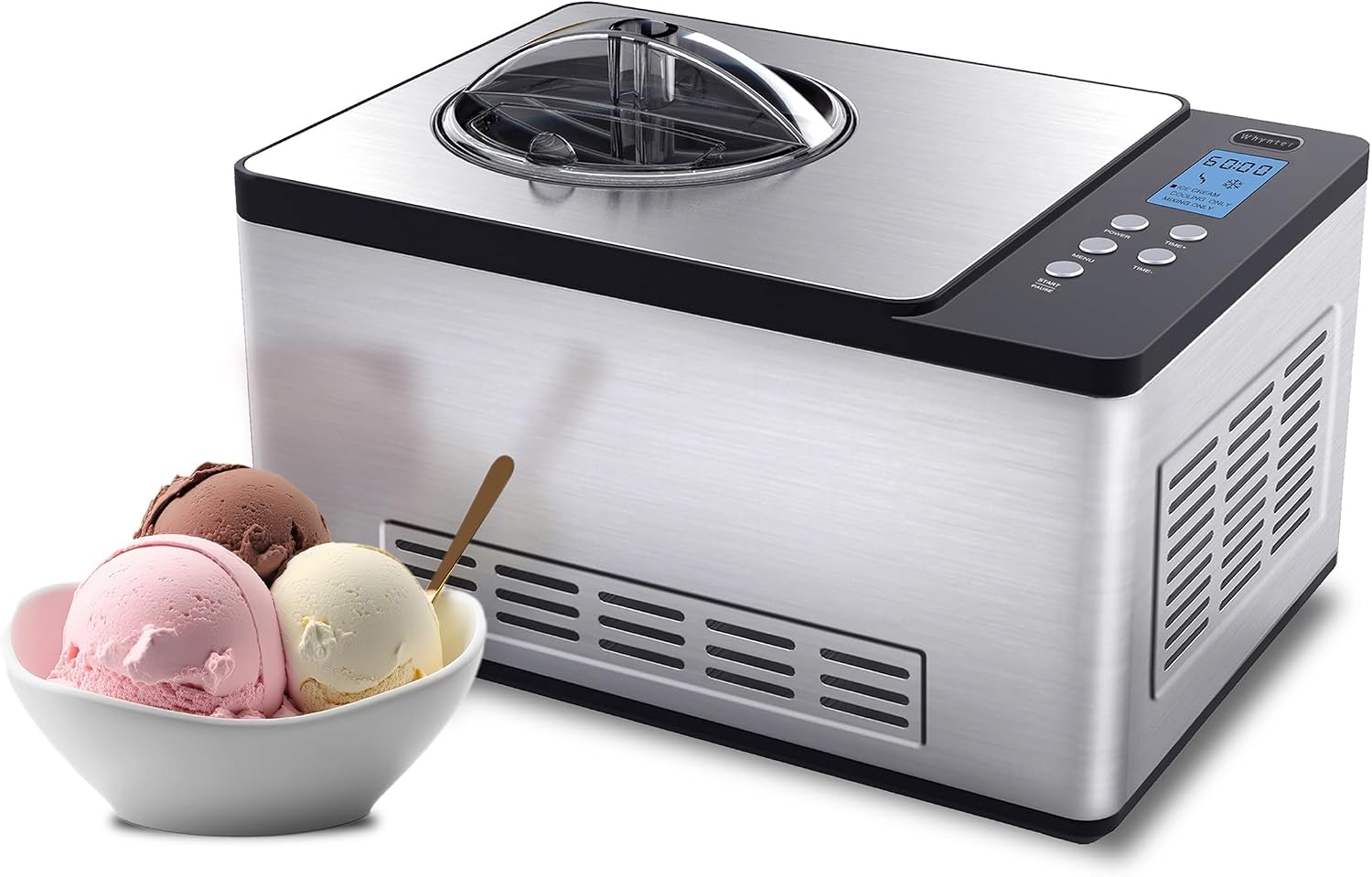
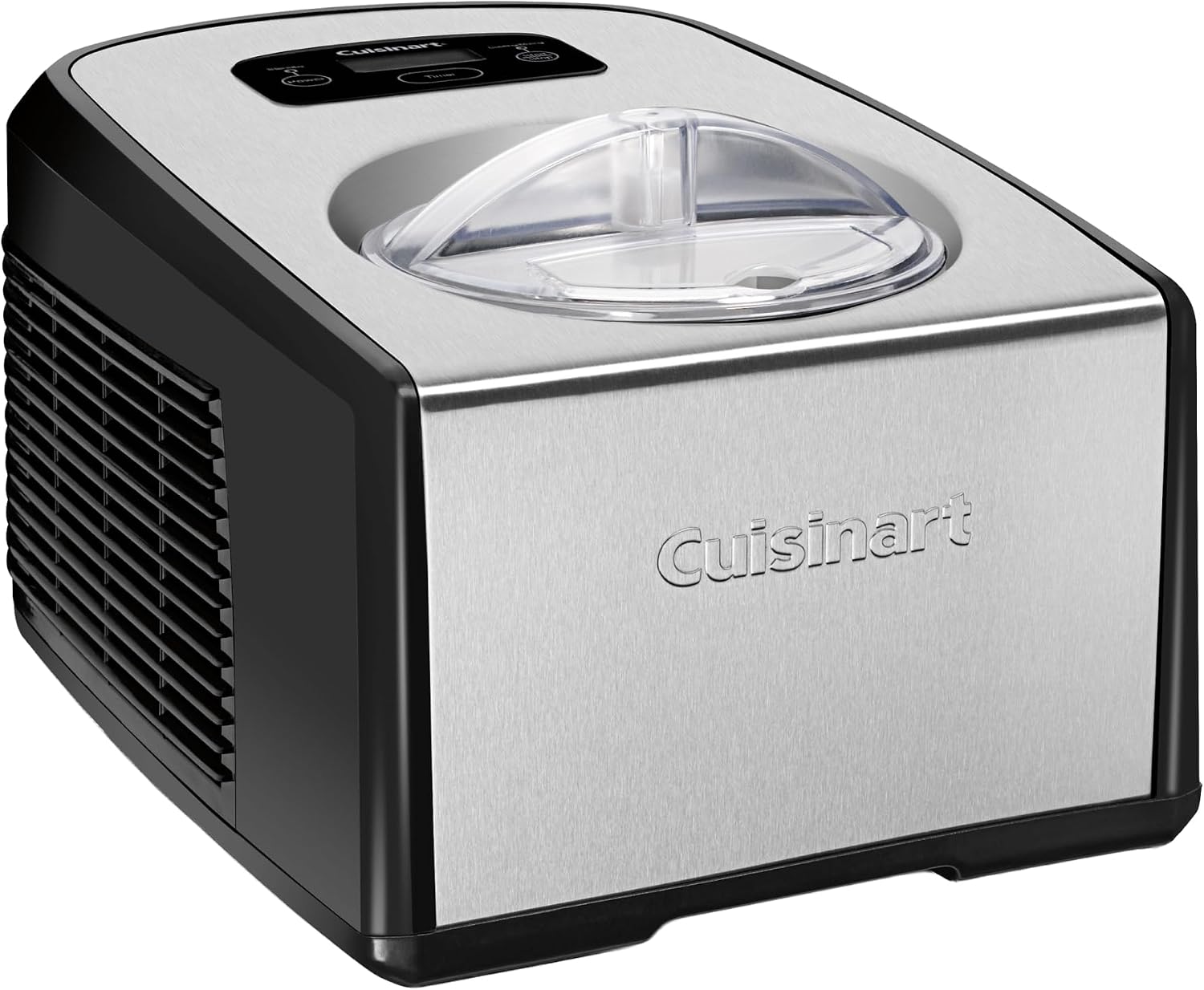
Making frozen desserts at home becomes much easier when you use a machine equipped with a self-contained compressor. Unlike traditional models requiring overnight freezer preparation, these appliances chill your ingredients directly as they churn. This capability allows you to prepare multiple batches back-to-back without waiting for bowls to refreeze.
Whether you want classic ice cream, rich gelato, or refreshing sorbet, choosing the right compressor-based maker depends on your batch size, counter space availability, and desired control features. Exploring these options helps you find a reliable machine that matches your kitchen layout and dessert preferences for any casual gathering or special family event. Modern home setups benefit greatly from automated timers and precise texture settings that remove guesswork.
As an Amazon Associate, StacyLaughs earns from qualifying purchases.
Buying guide
Evaluating Bowl Capacity and Batch Volume
Choosing the correct bowl capacity depends entirely on how many people you plan to serve during dessert time. Smaller models holding around one quart work well for individuals or couples who enjoy occasional treats without storing large quantities of leftover sweets. These compact vessels minimize storage requirements while still delivering satisfying homemade frozen creations on demand whenever cravings arise.
Larger machines offering over two quarts of capacity suit larger households or frequent hosts who need substantial dessert yields in a single run. Keep in mind that bigger bowls often translate to wider physical dimensions on your kitchen counters. Balancing your typical serving size against available storage space ensures long-term satisfaction with your appliance selection.
Understanding Compressor vs Pre-Freeze Designs
Self-contained compressor models eliminate the traditional inconvenience of storing removable bowls in your freezer overnight before preparation. These built-in refrigeration units chill your liquid ingredients actively as the paddle churns, letting you start a batch spontaneously whenever desired. You no longer need to plan dessert twenty-four hours in advance or sacrifice valuable freezer space for specialized bowls.
Furthermore, self-refrigerating systems allow you to launch secondary batches immediately after finishing the first one without waiting for equipment to refreeze. This continuous capability proves invaluable for dinner parties or hot summer days when dessert demand runs high and patience wears thin among eager guests. Compressor units do add weight and electrical complexity, but the operational freedom they provide is substantial.
Assessing Countertop Footprint and Storage
Kitchen appliance placement requires careful measurement of both horizontal counter surface area and vertical cabinet clearance. Upright models save horizontal workspace by utilizing vertical height, but they demand tall overhead clearance beneath standard kitchen cabinets during active operation. Failing to check these vertical measurements can leave you unable to position the appliance properly on your preferred counter spot.
Conversely, wider horizontal machines spread out across your counter, requiring more surface area while keeping a lower overall profile. Reviewing your kitchen layout beforehand prevents placement frustrations and ensures your chosen appliance integrates seamlessly into daily meal preparation routines. Measuring your available workspace is an essential step before committing to any specific machine design.
Comparing Manual Versus Automatic Controls
Control panels range from basic mechanical timers to advanced electronic interfaces equipped with multiple preset hardness levels. Simple digital timers let you set specific minutes of churning time, relying on your own recipe testing to determine when the dessert achieves the correct consistency. These straightforward options offer reliable operation without overwhelming users with complex menus.
More advanced control systems feature electronic sensors that actively monitor mixture resistance, automatically adjusting or stopping the cycle when the ideal texture is reached. Selecting the right control interface depends on whether you prefer hands-on recipe experimentation or automated precision guided by built-in sensors. Knowing your preference helps streamline your daily dessert-making experience significantly.
Understanding Paddle Options and Texture
The internal churn paddle plays a critical role in incorporating air and determining the final mouthfeel of your frozen treat. Standard paddles fold air efficiently into classic dairy mixtures, producing the light texture expected from traditional homemade ice cream recipes. Selecting a machine with versatile churning attachments gives you more control over the finished consistency.
Specialized paddles designed for gelato or sorbet maintain a denser consistency by minimizing excess air incorporation during the churning process. Having access to multiple paddle types provides greater versatility for crafting different styles of frozen desserts successfully at home without compromising quality. Matching paddle functionality to your favorite dessert style enhances your overall cooking results.
Reviewing Cleaning and Maintenance Needs
Maintaining kitchen appliances requires understanding the specific care instructions provided by the manufacturer for each removable component. Most compressor ice cream makers feature removable stainless steel bowls and BPA-free plastic blades that require careful hand washing after every dessert session. Knowing these requirements prevents accidental damage from improper washing techniques in automated dishwashers or harsh sinks.
Reviewing these cleaning guidelines ensures you are prepared for post-dessert maintenance tasks, as many specialized parts lack dishwasher compatibility. Proper cleaning routines protect motor components and preserve surface finishes, ensuring your appliance remains functional and hygienic for years of future dessert batches. Taking time to care for your machine properly guarantees consistent performance over time.
Frequently asked questions
Do compressor ice cream makers require pre-freezing bowls?
No, compressor ice cream makers do not require you to pre-freeze bowls overnight in your kitchen freezer. These machines feature built-in, self-contained refrigeration systems that actively chill the mixture while the internal paddle churns. This self-refrigerating design allows you to make frozen desserts spontaneously whenever you want, without any advance planning. Furthermore, it enables you to prepare back-to-back batches on the same afternoon, because you do not have to wait for a single bowl to refreeze between runs.
What is the difference between ice cream and gelato paddles?
Ice cream and gelato paddles are engineered to incorporate different amounts of air into the mixture during the churning process. A standard ice cream paddle whips air into the dairy ingredients, creating a light and airy texture typical of traditional scoop shop styles. In contrast, a specialized gelato paddle is designed to minimize air incorporation, resulting in a much denser, silkier mouthfeel characteristic of authentic gelato. Using the correct paddle for your chosen dessert ensures you achieve the ideal authentic texture.
Can I make multiple batches of ice cream back-to-back?
Yes, models equipped with self-contained built-in compressors allow you to make multiple batches of ice cream back-to-back on the same day. Because the machine chills the ingredients actively through its own refrigeration system, you are not dependent on a frozen bowl that needs time to refreeze in a standard kitchen freezer. Once your first batch finishes and you remove the contents, you can pour in your next mixture and start churning immediately, making these units ideal for parties.
How do automatic hardness settings work on ice cream makers?
Automatic hardness settings use integrated electronic sensors to monitor the physical resistance of the dessert mixture as it freezes and thickens during the churning cycle. When you select a specific preset option for items like sorbet, gelato, frozen yogurt, or ice cream, the machine tracks the progress against that target. Once the mixture reaches the programmed resistance level, the appliance automatically alerts you or shifts into a holding mode to maintain the optimal serving consistency.
Are removable parts dishwasher safe on these ice cream machines?
Most compressor ice cream makers specify hand wash only instructions for their removable stainless steel bowls, churn blades, and lids. Putting specialized components into an automated dishwasher can damage delicate surfaces or degrade plastic materials over time. Reviewing the manufacturer care instructions for your specific appliance model ensures you maintain the equipment properly. Hand washing these parts with mild soap and warm water preserves their finish and prevents accidental wear during routine post-dessert cleanup routines.