Appliances · Buying Guide
Best Pull String Food Chopper for Fast Everyday Meal Prep
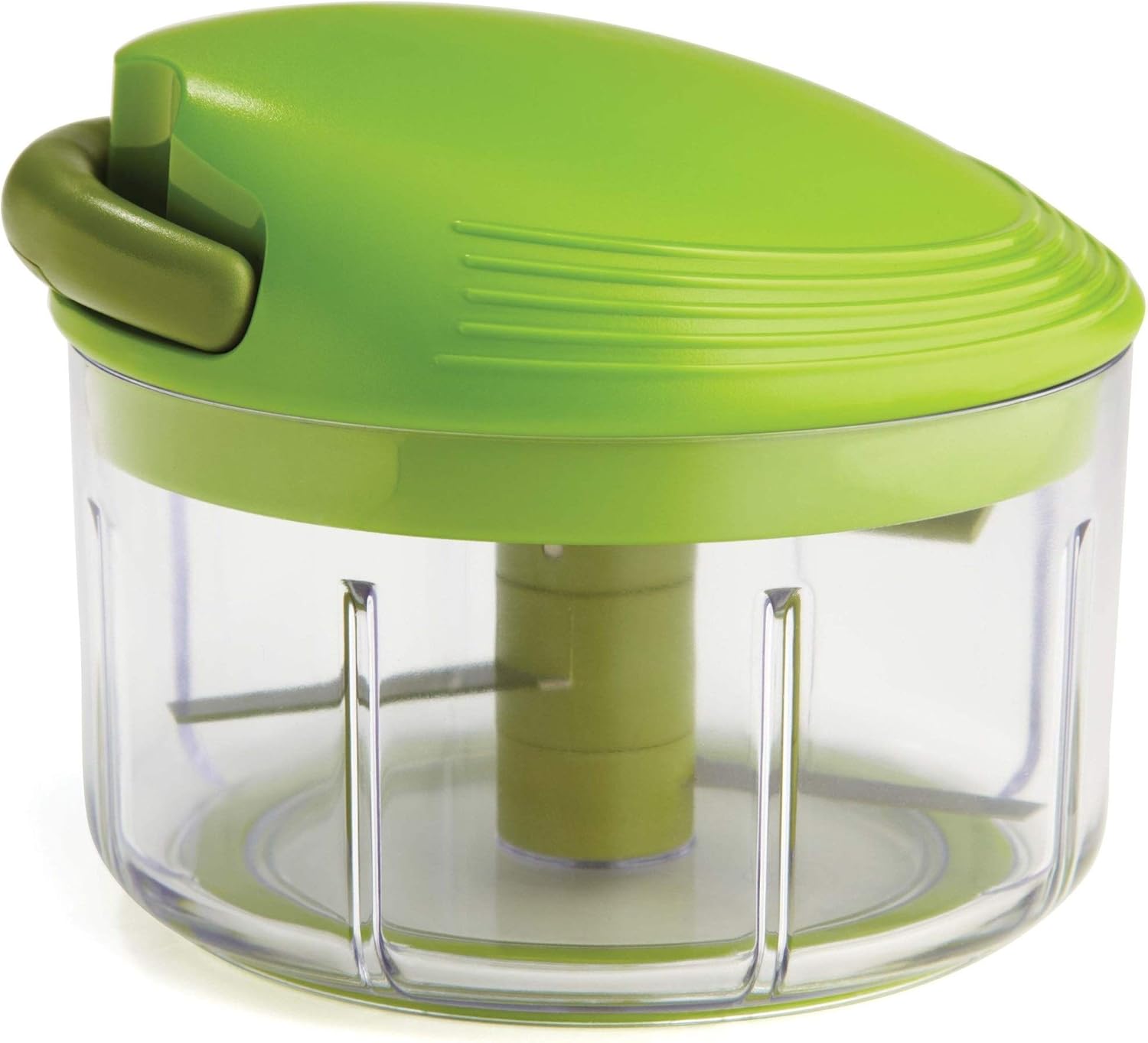
Preparing ingredients for daily meals often involves tedious knife work, especially when chopping onions, garlic, and fresh herbs. A manual pull string food chopper offers a straightforward alternative for slicing and dicing without needing electrical outlets. These compact gadgets rely on a simple cord and internal blades to process various foods quickly.
Understanding the physical design, capacity, and blade arrangement helps match the right tool to your kitchen routine. Whether you prepare small garnishes or larger vegetable batches, these hand-operated processors provide controllable results based on how many times you pull the cord. Exploring the available options ensures you select a model that fits your storage space and meal preparation habits seamlessly.
As an Amazon Associate, StacyLaughs earns from qualifying purchases.
Buying guide
Capacity and Batch Size
Choosing the right bowl capacity is essential for matching your typical cooking volume and household size. Smaller models holding around two cups work well for single servings, quick garnishes, or chopping individual cloves of garlic and small onions. If you frequently prepare meals for multiple people or combine various vegetables, herbs, and nuts together, a larger container holding five cups or more will reduce your need to process ingredients in separate batches.
Evaluating your standard recipes helps determine which volume fits your daily routine. While compact choppers save valuable counter space and store easily in tight drawers, they require frequent emptying when handling bulk produce. Selecting an appropriately sized bowl ensures you can chop all necessary components efficiently without constantly pausing to transfer food into secondary mixing bowls during active meal preparation.
Blade Design and Arrangement
The configuration and sharpness of the internal blades directly impact how evenly your food gets chopped. Models featuring multiple stainless steel blades arranged at varying heights ensure that ingredients do not get stuck at the top or bottom of the bowl. Curved blade shapes also assist in slicing through tougher fruits, vegetables, and meats without bending or losing cutting efficiency over time.
Inspecting the material quality of these cutting edges ensures long-term reliability in your kitchen. High-grade stainless steel resists rust and maintains a sharp edge through repeated pulls of the cord. Understanding how the blades mount inside the container helps you safely insert, remove, and clean the assembly without risking accidental cuts during routine maintenance tasks.
Cord Mechanism and Pull Operation
Manual food processors rely on a pull string or cord mechanism to spin the internal blades. A strong nylon drawstring design offers enhanced wear resistance and rapid cord rebound, making it easier to perform multiple pulls in rapid succession without tangling. The smoothness of this pulling action affects how comfortable the tool feels during extended food preparation sessions.
Controlling the final texture depends heavily on how many times you pull the cord. Gentle pulls allow for coarse chopping of onions and peppers, while fifteen or more pulls yield finely minced herbs or smooth purees. Familiarizing yourself with the resistance of the pull handle ensures you apply appropriate force for different ingredient hardness levels.
Base Stability and Non-Slip Features
Operating a manual pull chopper requires steady downward force and sudden pulling motions that can cause lightweight containers to slide across countertops. Look for models equipped with an anti-skid rubber strip or a dedicated non-slip base ring attached to the bottom of the bowl. These stability features keep the processor firmly anchored during active use.
Maintaining a secure grip on the counter prevents accidental spills and makes the pulling motion feel much smoother and safer. A stable base is especially helpful when processing harder foods like raw carrots, shelled nuts, or small cuts of meat that demand extra physical effort and vigorous pulling from the operator.
Cleaning and Maintenance Requirements
Proper cleaning keeps your manual food chopper hygienic and ready for future meal preparation tasks. Many models feature dishwasher-safe bowls and blades, allowing for convenient automated cleanup after handling sticky or pungent ingredients like garlic and onions. Always verify manufacturer guidelines regarding specific parts, as lid assemblies containing drawstrings often require hand wiping to prevent water infiltration.
Taking proper care of the string mechanism prevents moisture buildup and preserves the internal spring or cord elasticity over months of regular use. Wiping the lid clean rather than submerging it entirely extends the lifespan of the pulling system. Following these maintenance practices ensures your manual processor remains functional and dependable for everyday kitchen tasks.
Included Accessories and Speed Settings
Some manual food choppers come with extra attachments like beater wheels or whisking paddles that expand their usefulness beyond basic vegetable dicing. These accessories allow you to whip cream, mix light batters, or blend dressings inside the same bowl. Additionally, models featuring adjustable speed settings give you greater control over cutting precision for delicate herbs versus dense root vegetables.
Evaluating whether you need these bonus tools helps narrow down your options among similar handheld processors. While basic choppers keep things simple and streamlined, multi-accessory versions provide extra versatility for bakers and cooks who handle diverse recipes. Balancing your specific culinary needs against storage space requirements ensures you choose the most practical setup.
Frequently asked questions
How do I control the size of chopped food using a pull string chopper?
Controlling food size depends entirely on the number of times you pull the cord mechanism. Generally, pulling the string around five to ten times produces a coarse chop ideal for chunky salsas or rustic vegetable medleys. If you continue pulling up to fifteen times, the ingredients become medium-chopped for standard cooking. Pulling twenty times or more transforms the contents into a fine mince or smooth puree, making this method versatile for garlic, herbs, and sauces.
Can I put the pull string lid in the dishwasher?
Most manufacturers advise against placing the pull string lid assembly inside a dishwasher. Submerging the lid can allow water to enter the internal cord mechanism, which is difficult to dry and may damage the spring or nylon string over time. Instead, it is typically recommended to wipe the lid clean directly with a damp cloth and pull the cord gently to air dry any residual moisture according to specific product instructions.
What types of food can I process with a manual pull chopper?
A manual pull chopper handles a wide variety of kitchen ingredients including onions, garlic, ginger, leafy herbs, tomatoes, fruits, and soft vegetables. Many models also process harder items like shelled nuts, raw carrots, and small portions of boneless meat when they are cut into manageable pieces before loading. Beyond standard vegetable dicing, certain choppers equipped with specialized attachments can whip cream, blend dressings, or mix light batters for everyday baking and cooking tasks.
How do I keep the chopper from sliding around on my countertop?
Many pull string choppers feature a built-in anti-skid rubber strip or a textured non-slip base ring attached to the bottom of the plastic bowl. This rubberized design helps anchor the container securely against flat kitchen surfaces during active pulling motions. When operating the device, placing one hand firmly on top of the lid while pulling the cord horizontally with your other hand further stabilizes the unit and prevents unwanted sliding.
Are manual food choppers difficult to store in small kitchens?
Manual food choppers are generally designed with compact physical dimensions that make them easy to store in standard kitchen cabinets, drawers, or RV pantries. Because they do not require bulky electrical cords or heavy motor bases, they take up minimal shelf space compared to standard countertop electric food processors. Furthermore, models featuring removable blades and protective storage lids offer additional space-saving convenience for kitchens with limited storage capacity and crowded shelves.