Appliances · Buying Guide
Best Rated Sous Vide Machines for Precise Home and Kitchen Cooking
Finding the right immersion circulator can completely change how you prepare meats, vegetables, and everyday meals at home. Instead of guessing temperatures on a crowded stovetop or worrying about overcooked proteins, these dedicated kitchen appliances attach easily to everyday pots and circulate heated water to maintain exact cooking conditions from edge to edge without constant supervision.
Whether you want a simple manual dial device that requires no phone apps or a connected machine you can monitor remotely, options vary widely in power, water capacity, and interface design. Reviewing the specific physical features of each circulating cooker helps match your typical batch sizes and kitchen setup to the right tool.
As an Amazon Associate, StacyLaughs earns from qualifying purchases.
Buying guide
Evaluating Wattage and Heating Speed
Wattage dictates how quickly an immersion circulator brings a pot of water up to your target cooking temperature. Models ranging from 1000 to 1100 watts handle standard family meals efficiently in moderate containers, while high-output units reaching 1200 to 1600 watts heat larger volumes much faster. Matching the heating wattage to your typical batch size prevents long waiting periods before food goes into the bath.
Keep in mind that higher wattage draws more power from your kitchen electrical circuits. If you frequently cook large roasts or host dinner parties, investing in a robust heating element saves valuable time during busy meal preparation routines without sacrificing temperature stability.
Understanding Water Capacity Limits
Every immersion circulator specifies a maximum water capacity it can effectively heat and circulate. Compact consumer models usually support baths up to 15 or 16 liters, making them ideal for everyday proteins and vegetables. Commercial or heavy-duty circulators can manage 50 to 60 liters of water when placed in covered containers, accommodating massive portions for large gatherings or catering tasks.
Exceeding the manufacturer capacity rating leads to uneven heating and unstable temperatures. Always measure your typical cooking vessels and compare them against the listed liter threshold before purchasing to ensure consistent texture and doneness across all your ingredients.
Comparing Connectivity and App Control
Modern sous vide machines offer varying levels of technology integration, ranging from basic manual dials to advanced WiFi smartphone apps. Connected models let you monitor timers, adjust temperatures, and access extensive recipe libraries remotely. Devices with 2.4GHz wireless support or dual band capabilities allow multi-user access, while non-connected units rely entirely on onboard physical controls for offline convenience.
Choosing between connected and manual designs depends on your personal kitchen habits. If you prefer walking away from the kitchen without worrying about losing connection, an offline dial mechanism eliminates pairing hurdles and keeps operation delightfully simple every single day.
Selecting Mounting Clamps and Pot Compatibility
The mounting clamp secures the immersion circulator to the side of your cooking vessel, ensuring the unit remains upright during operation. Adjustable clamps accommodate pots of varying wall thicknesses and depths, provided they meet the minimum water depth requirements marked on the appliance housing. Checking the physical dimensions helps confirm whether the device fits standard stockpots or specialized containers.
A secure attachment prevents shifting and triggers safety sensors if water levels fluctuate. Inspecting the clamp design ensures you can use pots you already own rather than purchasing proprietary vessels for your cooking routine.
Managing Maintenance and Cleaning Requirements
Regular cleaning preserves the internal heating elements and prevents mineral buildup from hard water. Many immersion circulators feature removable stainless steel skirts or sleeves that twist off easily for hand washing or dishwasher cycles. Selecting a model with accessible internal components simplifies post-cooking cleanup and maintains optimal appliance performance over years of regular use.
Always follow manufacturer guidelines regarding immersion depths and cleaning solvents. Keeping the lower housing free of debris ensures uninterrupted water flow and extends the working lifespan of the internal circulation pump.
Assessing Control Interfaces and Display Design
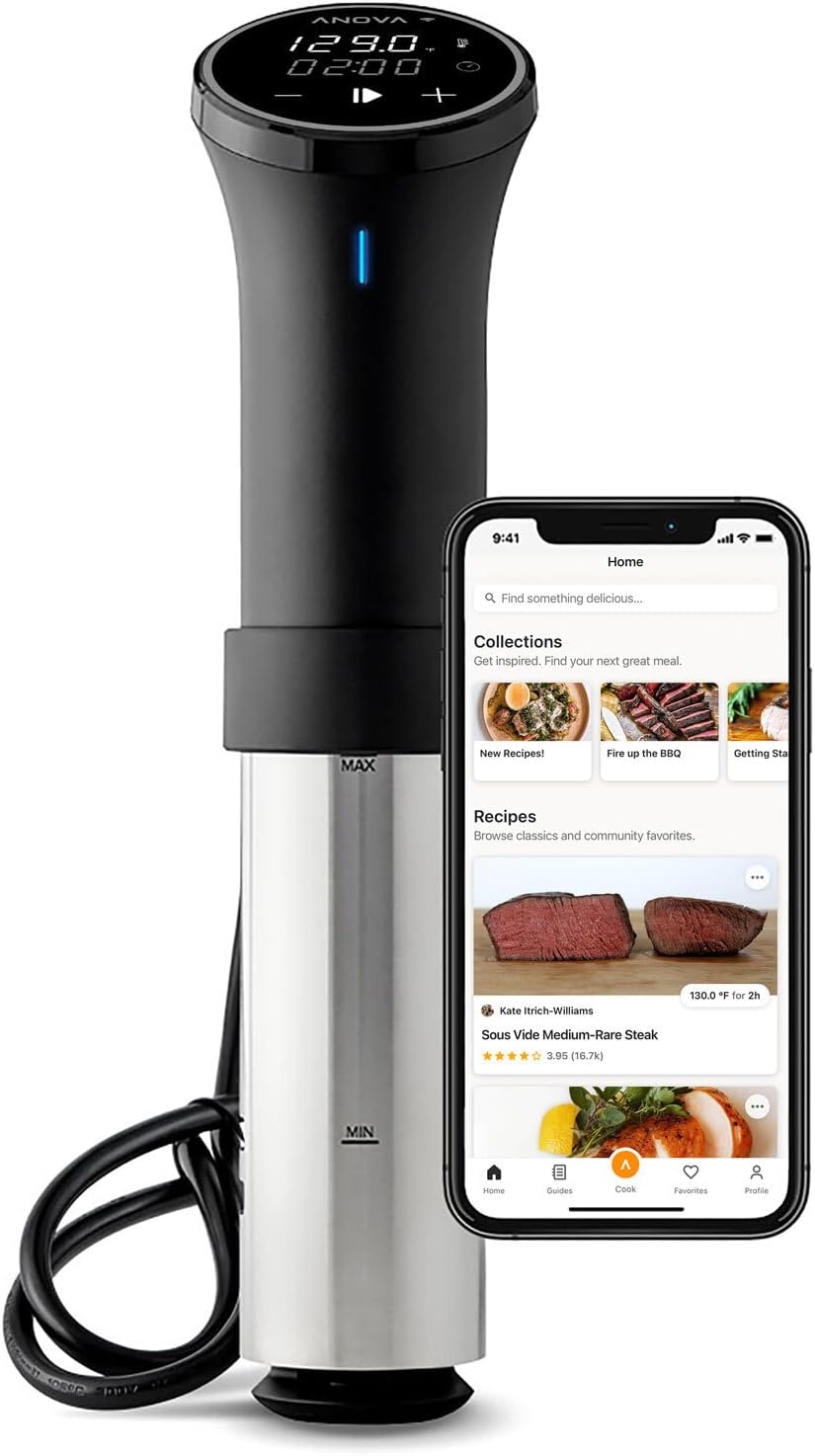
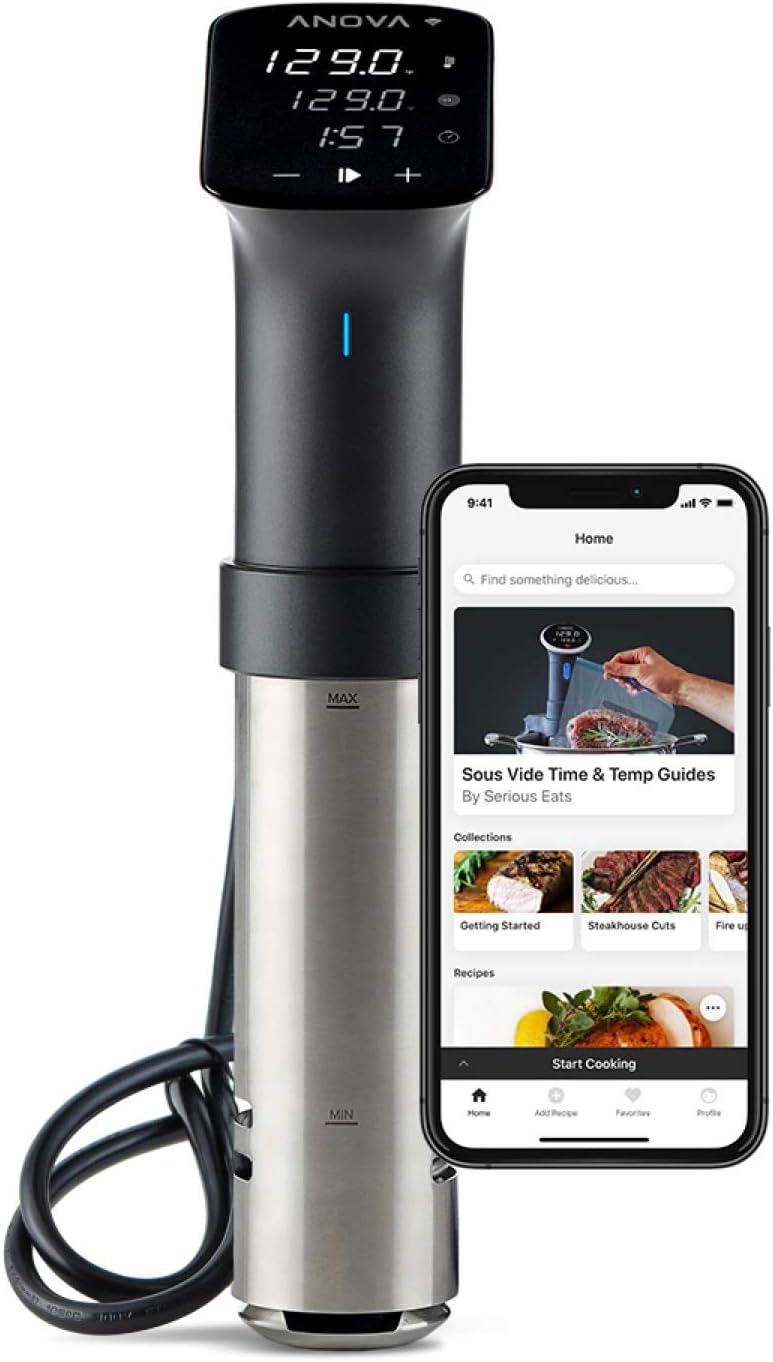
The control interface determines how easily you can program cooking time and target temperatures. Touch screens, angled LED displays, and tactile twist dials each offer distinct advantages depending on counter height and lighting conditions. Bright, easy-to-read numbers let you verify settings at a glance, while audible alerts and status lights signal when preheating finishes or water levels run low.
Evaluating how you interact with the machine on the counter ensures a frustration-free cooking experience. Whether you prefer swiping through app presets or twisting a physical dial, clear interfaces make precise cooking effortless.
Frequently asked questions
Do I need a smartphone app to operate a sous vide machine?
No, a smartphone app is not required for every model. Several immersion circulators feature direct manual controls, such as twist dials, push buttons, or onboard touch screens, allowing you to set time and temperature directly on the device. Models without WiFi or Bluetooth integration operate entirely offline, eliminating the need for network pairing or account setups. However, connected models provide the added convenience of remote monitoring, guided preset recipes, and mobile status alerts if you prefer managing your cooking from another room.
How do I clean and maintain my immersion circulator?
Cleaning an immersion circulator is generally straightforward because many models include removable stainless steel skirts or sleeves that detach with a simple twist. You can wash these lower housings by hand or place them in the dishwasher depending on manufacturer instructions. Keeping the heating coil and pump area free of mineral deposits ensures proper water flow. Always unplug the device and let it cool completely before removing the sleeve or wiping down the exterior housing with a damp cloth.
What size cooking container should I use with a sous vide cooker?
The appropriate container size depends on the water capacity rating of your specific circulator model. Standard home models typically support water baths up to 15 or 16 liters, which work well with everyday stockpots for family meals. High-capacity commercial units can handle up to 50 or 60 liters when paired with large covered containers. Always ensure the water level stays between the minimum and maximum indicator lines marked on the metal housing to prevent operational shutoffs or overheating.
What happens if the water level drops too low during cooking?
When water levels drop below the designated minimum line during a cooking session, built-in safety mechanisms automatically shut off the heating element to prevent damage. Many machines also trigger an audible alarm, flash a warning light, or send a mobile notification if connected to an app. To resume cooking, simply refill the container with water up to the proper level and reconfirm your settings. Monitoring the bath periodically helps avoid unexpected interruptions during long, multi-hour recipes.
Can I cook different types of food in the water bath at the same time?
Yes, you can cook multiple food items simultaneously as long as they require the same water temperature and you leave enough space between bags for proper water circulation. Because sous vide cooking relies on exact thermal control rather than precise timing for doneness, items cooked slightly longer than specified generally suffer no adverse texture changes. However, different proteins or vegetables requiring distinct temperatures must be prepared in separate batches or adjusted sequentially to ensure each ingredient reaches its ideal doneness level.